The USP 800 guidelines are essential for oncology pharmacy, particularly in ‘Managing Occupational Hazards: USP 800 PPE Solutions for Oncology Pharmacists.’ These guidelines ensure safety for both patients and pharmacy staff when handling hazardous drugs. It is crucial to prioritize compliance to meet legal standards and protect health. Implementing these guidelines requires a structured approach. You will assess current practices, develop standard operating procedures, and consider environmental factors. Each step is vital in creating a safe working environment.
Key Takeaways
-
Prioritize safety by following USP 800 guidelines to protect both patients and pharmacy staff from hazardous drug exposure.
-
Conduct a thorough assessment of current practices to identify risks and ensure compliance with safety protocols.
-
Develop clear standard operating procedures (SOPs) that outline safe handling, training, and communication regarding hazardous drugs.
-
Create designated areas for handling hazardous drugs and ensure proper ventilation to minimize contamination risks.
-
Implement regular training programs to keep staff informed about safety practices and the importance of using personal protective equipment (PPE).
Why USP 800 Matters

Safety for Patients and Staff
Safety is a top priority when handling hazardous drugs in oncology pharmacy. The USP 800 guidelines help you create a safer environment for both patients and staff. Studies show that improper handling of these drugs can lead to serious contamination. For instance, some studies report that 100% of drug vials show external contamination. This contamination can pose risks to everyone involved.
Here are some key points to consider:
-
Dermal uptake is the primary route of exposure to hazardous drugs.
-
Inhalation is the second most common route of exposure.
-
Contamination can occur on surfaces, increasing risks for both patients and healthcare workers.
Moreover, measurable amounts of antineoplastic drugs have been found in the urine of pharmacy and nursing personnel. This indicates that even those not directly involved in drug preparation can experience exposure. The presence of these drugs in urine highlights the urgent need for improved safety measures and training.
Implementing USP 800 guidelines can significantly enhance safety measures. Experts indicate that these guidelines lead to the mandatory use of closed system drug-transfer devices (CSTDs) and enhanced personal protective equipment (PPE). These changes aim to minimize drug exposure and improve safety for healthcare workers handling hazardous drugs.
Regulatory Compliance
Regulatory compliance is crucial in oncology pharmacy. You must adhere to the USP 800 guidelines to avoid legal implications and ensure patient safety. Various agencies enforce these guidelines, including:
|
Agency/Organization |
Role in USP <800> Compliance |
|---|---|
|
State Boards of Pharmacy |
Regulate compounding practices and mandate compliance with USP standards. |
|
FDA |
Oversees compounding and enforces USP standards to prevent adulteration of products. |
|
The Joint Commission |
Provides standards that align with USP principles, aiding compliance indirectly. |
Failure to comply with these regulations can lead to serious consequences. Common deficiencies noted during inspections include:
|
Deficiency Type |
Description |
|---|---|
|
Minimum Weighable Accurate Quantity (MWAQ) |
MWAQ for balances not posted; compounding personnel unable to verbalize correct MWAQ. |
|
Balance Calibration |
Balance not releveled and recalibrated after being moved; extensive powder under balance indicating lack of movement. |
|
Temperature and Humidity Monitoring |
Devices not appropriate for pharmacy use; lack of verification for accuracy per NIST standards. |
|
Cleaning and Disinfection |
Surfaces inside and outside the hood had visible residue; equipment not properly cleaned. |
|
Quality Control Procedures |
Incomplete procedures; inconsistencies in BUD assignment and compounding instructions. |
|
Handwashing Technique |
Improper handwashing observed; potential contamination risks noted. |
|
First Air Principles |
First air blocked during compounding; improper placement of supplies. |
By following USP 800 guidelines, you not only protect your patients and staff but also ensure compliance with regulatory standards. This commitment to safety and adherence to regulations fosters a culture of excellence in oncology pharmacy.
Implementation Steps
Assessing Current Practices
To implement USP 800 guidelines effectively, you must first assess your current practices regarding hazardous drug handling. Start by identifying the hazardous drugs used in your facility. Utilize resources like the NIOSH Hazardous Drug List to guide your assessment. Create a facility-specific list based on the drugs currently in use. This tailored approach helps you understand the specific risks associated with the drugs your team handles.
Next, form a multidisciplinary team that includes pharmacists and nurses. This collaboration enhances the evaluation process, allowing you to examine drug handling from receiving to disposal. By working together, you can identify potential risks and ensure compliance with safety guidelines.
Common deficiencies often arise during these assessments. Here are some issues you might encounter:
-
Non-adherence to hazardous drug safety guidelines.
-
Insufficient use of personal protective equipment (PPE), such as disposable gowns, double gloves, eye protection, and respirators.
Addressing these deficiencies early on will help you create a safer environment for both staff and patients.
Developing Standard Operating Procedures
Once you assess your current practices, the next step is to develop comprehensive standard operating procedures (SOPs) that align with USP 800 guidelines. These SOPs should include essential components such as:
-
Engineering controls
-
Personnel training
-
Hazard communication
Your SOPs must clearly outline the processes for handling hazardous drugs, including preparation, administration, and disposal. Ensure that all staff members understand these procedures and have access to the necessary resources.
However, you may face barriers during this development phase. Here are some common challenges:
|
Barrier Type |
Description |
|---|---|
|
Time Pressure |
Workload and time constraints lead to non-compliance with safety protocols. |
|
Inadequate PPE Provision |
Employers often do not provide sufficient personal protective equipment for safe handling. |
|
Variability in Organizational Resources |
Differences in resources and attitudes towards safety affect compliance with handling standards. |
Many healthcare workers report feeling rushed, which impacts their adherence to safety protocols. Organizations with better staffing levels tend to have lower hazardous drug exposure rates. Additionally, the lack of adequate PPE can hinder compliance with safety measures. If employers do not provide the necessary equipment, staff cannot follow safety precautions effectively.
Implementing USP 800 guidelines may incur costs. For example, a physician-owned oncology practice projected an additional annual cost of around $100,000 for personal protective equipment and closed-system transfer devices needed for compliance. Significant expenses are also anticipated for making workflow and physical plant changes to meet these regulations.
By developing clear and comprehensive SOPs, you can create a structured approach to handling hazardous drugs safely. This commitment to safety not only protects your staff and patients but also fosters a culture of compliance within your pharmacy.
Environmental Considerations
Designated Handling Areas
Creating designated areas for hazardous drug handling is crucial for compliance with USP 800 guidelines. These areas must be clearly defined to ensure safety and minimize contamination risks. Here are the minimum requirements for these designated areas:
|
Requirement |
Description |
|---|---|
|
Designated Areas |
Areas must be designated for receipt, unpacking, and storage of hazardous drugs (HDs). |
|
Compounding Areas |
Separate areas are required for Nonsterile and Sterile HD compounding if such actions are performed. |
|
Room Pressure |
Certain areas must maintain negative room pressure to contain hazardous drugs. |
You may need to modify existing spaces to meet these requirements. For example, consider the following area types and their minimum square footage:
|
Area Type |
Minimum Square Feet (NSF) |
|---|---|
|
Receipt/Unpacking Room |
50 |
|
Dedicated Storage Room |
100 per PEC |
|
Buffer Room |
120 or 50-100 per PEC |
|
Anteroom |
80 |
|
Workroom |
80-120 per PEC |
|
Total for Single PEC |
Over 500 gross square feet |
These modifications can involve significant changes to air handling systems and workflows. You must ensure that hazardous drugs are unpacked, stored, and prepared in separate areas from non-hazardous drugs.
Ventilation Standards
Proper ventilation is vital for maintaining air quality in hazardous drug handling areas. According to USP 800, the following ventilation standards apply:
|
Requirement |
Description |
|---|---|
|
Ventilation |
Air from the compounding room must be vented externally. |
|
Air Changes |
Low and medium-risk hazardous drugs (HDs) must have at least 12 air changes per hour. |
Additionally, a negative pressure room must be externally ventilated and physically separated from other preparation areas. This setup helps contain any airborne contaminants.
Improper handling of hazardous drugs can lead to environmental risks. For instance, improper disposal can pollute water sources and harm wildlife. Therefore, adhering to these ventilation standards not only protects your staff but also safeguards the environment.
By establishing designated handling areas and ensuring proper ventilation, you create a safer environment for everyone involved in oncology pharmacy.
Managing Occupational Hazards: USP 800 PPE Solutions for Oncology Pharmacists

Types of PPE
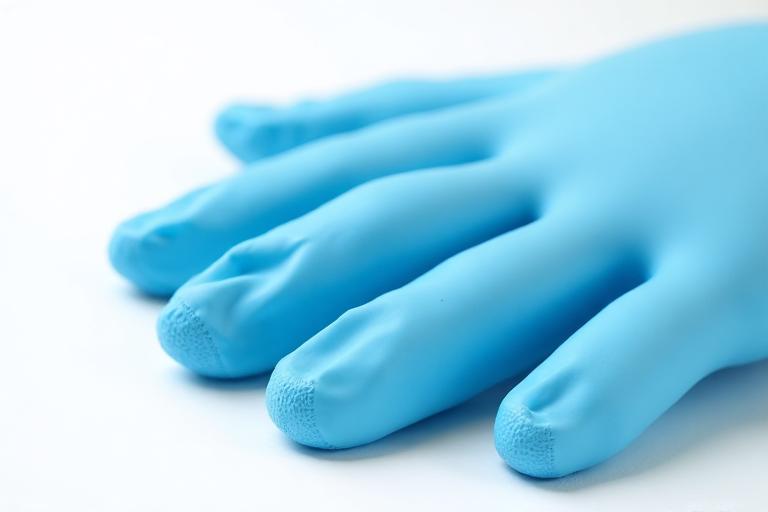
When handling hazardous drugs, you must wear appropriate personal protective equipment (PPE) to ensure your safety. The USP 800 guidelines mandate specific types of PPE for oncology pharmacists. Here’s a summary of the required PPE:
|
Type of PPE |
Application Area |
|---|---|
|
Double gloves |
Administering antineoplastic hazardous drugs (HDs) |
|
Chemotherapy gloves |
Handling hazardous drugs during various processes |
|
Protective gear |
Receipt, Storage, Transport, Compounding, etc. |
Using the right PPE minimizes your risk of exposure to hazardous drugs. Compliance with PPE protocols is crucial. Recent surveys show that after a medical safety workshop, compliance among oncology pharmacists reached a 100% rate. This improvement was statistically significant, with a P value of 0.026.
Training on PPE Usage
Proper training on PPE usage is essential for maintaining safety standards. Here are some best practices for training oncology pharmacy staff:
-
Always wear appropriate PPE during all steps of hazardous drug handling.
-
Consult NIOSH guidelines when selecting PPE for various situations.
-
Double gloving is required for compounding, administering, and deactivating hazardous drugs.
-
Use gloves that are 6-mL thick or thicker to reduce the risk of tearing.
-
Understand which agents your gloves have been tested against, as some can degrade glove materials.
Training should occur during initial orientation and include annual refreshers to reinforce knowledge. Competency must be reassessed at least every 12 months. Additionally, training should happen before introducing new equipment or hazardous drugs. By prioritizing PPE training, you enhance safety and compliance in your pharmacy.
Education and Training
Staff Training Programs
Effective staff training programs are vital for implementing USP 800 guidelines in oncology pharmacies. These programs ensure that you and your colleagues understand the importance of safe handling practices. Here are the core elements of effective training programs:
|
Core Element |
Description |
|---|---|
|
1. Didactic Training |
Foundational training to understand safe handling culture, including terminology and risk awareness. |
|
2. Hands-on Workshops |
Practical training in a simulated environment to develop skills in HD compounding. |
|
3. Assessments |
Evaluations to ensure competency in both aseptic technique and HD containment. |
|
4. Format and Duration |
Diverse teaching methods to cater to different learning styles, ensuring comprehensive understanding. |
By incorporating these elements, you can create a robust training program that prepares your team for the challenges of handling hazardous drugs. Regular assessments help maintain high standards and ensure everyone remains competent in their roles.
Continuous Education
Continuous education is essential for staying updated on the latest changes to USP 800 guidelines. The field of oncology pharmacy evolves rapidly, and you must keep pace with new information and practices. Here are some valuable resources to help you stay informed:
|
Resource |
Description |
|---|---|
|
USP<800> Compliance Toolkit |
Developed by HOPA to assist pharmacists in meeting USP<800> compliance, including checklists and risk assessment forms. |
|
Ensuring Healthcare Worker Safety |
A position statement by the Oncology Nursing Society on safe handling of hazardous drugs. |
|
Impact of USP Guidelines |
An article discussing the implications of USP 800 on compounding chemotherapy agents. |
Utilizing these resources will enhance your knowledge and skills. Regularly participating in workshops and seminars can also provide you with insights into best practices. By committing to continuous education, you not only improve your own practice but also contribute to a safer environment for everyone involved in managing occupational hazards related to hazardous drugs.
Implementing USP 800 guidelines involves several key steps. You must identify hazardous drugs, assess risks, review containment requirements, and develop a plan of action for managing these risks.
Ongoing challenges exist in maintaining compliance. A team member recently broke protocol during chemotherapy preparation. Thanks to rigorous training, you contained the exposure immediately, protecting both staff and patients.
Your commitment to safety and compliance is crucial. Encourage proactive measures by adopting behavior change communication and implementing semiannual safety training. Together, you can create a safer environment in oncology pharmacy.
FAQ
What are USP 800 guidelines?
USP 800 guidelines provide standards for handling hazardous drugs in healthcare settings. They aim to protect patients and healthcare workers from exposure to these drugs during preparation, administration, and disposal.
Why is PPE important in oncology pharmacy?
Personal protective equipment (PPE) is crucial in oncology pharmacy. It minimizes your risk of exposure to hazardous drugs, ensuring your safety and the safety of your colleagues while handling these substances.
How often should staff training occur?
You should conduct staff training on USP 800 guidelines at least annually. Regular training ensures that all team members stay informed about safety protocols and best practices for handling hazardous drugs.
What should I do if I notice a safety violation?
If you observe a safety violation, report it immediately to your supervisor. Prompt reporting helps address the issue and prevents potential exposure to hazardous drugs for you and your colleagues.
How can I stay updated on USP 800 changes?
To stay updated on USP 800 changes, regularly review resources like the USP Compliance Toolkit and attend relevant workshops or seminars. Continuous education keeps you informed about best practices and regulatory updates.