Choosing the right protective fabrics for USP 800 compliance is crucial, especially when considering ‘The Science of Safety: Protective Fabric Technologies for USP 800 PPE.’ Each year, about 8 million healthcare workers in the United States face potential exposure to hazardous drugs. This exposure can lead to serious health risks, such as organ damage, an increased risk of cancer, and even effects on reproductive health. Personal protective equipment (PPE) plays a vital role in reducing these risks. Therefore, you must make informed decisions when selecting fabrics to ensure effective protection and safety in your workplace.
Key Takeaways
-
Choose PPE fabrics that resist liquid penetration to protect against hazardous drugs.
-
Prioritize comfort and ergonomic design in PPE to ensure proper use and compliance.
-
Evaluate the specific hazards in your workplace to select the right protective equipment.
-
Stay informed about the latest fabric technologies to enhance safety and compliance.
-
Designate a person to oversee USP 800 procedures and ensure proper PPE selection and usage.
USP 800 Compliance

USP 800 sets essential standards for handling hazardous drugs in healthcare environments. These standards aim to protect healthcare workers, patients, and the environment from the risks associated with hazardous drug exposure. Here are some key points about USP 800:
-
Purpose: USP 800 establishes operational standards for the safe handling of hazardous drugs.
-
Scope: The standards apply to all facilities where hazardous drugs are managed, including hospitals and pharmacies.
-
Protection: They help safeguard healthcare workers from harmful chemical exposure and ensure safe drug handling and disposal.
Compliance with USP 800 is crucial for maintaining safety in healthcare settings. When you fail to comply, the consequences can be severe. Here are some implications of non-compliance:
-
Health Risks: Non-compliance increases the risk of exposure to hazardous drugs, which can lead to serious health issues, including reproductive toxicity and cancer. Studies show that many healthcare environments have contamination from hazardous drugs, highlighting the need for strict adherence to safety protocols.
-
Legal and Financial Consequences: Healthcare facilities may face administrative or legal sanctions for failing to comply with USP 800. This can include:
-
Letters of reprimand
-
Costly fines
-
Sanctions that could lead to the closure of your facility until compliance is achieved
-
-
Regulatory Oversight: Regulatory agencies, such as The Joint Commission, monitor compliance with USP 800. They inspect organizations that handle hazardous drugs, focusing on staff training, proper use of personal protective equipment (PPE), and facility controls. State boards of pharmacy also play a role in enforcing these standards.
-
Training and Implementation Challenges: Implementing USP 800 protocols requires extensive training for staff. Organizations often face challenges, such as ambiguity around compliance and the complexity of integrating new standards into existing practices. These challenges can lead to increased pressure to ensure safety measures are effectively implemented.
Protective Fabric Technologies for USP 800 PPE

Material Properties
When selecting protective fabrics for USP 800 PPE, you must prioritize specific material properties. These properties ensure that the fabrics effectively protect against hazardous drugs. Here are some key aspects to consider:
-
Liquid Resistance: Fabrics should resist liquid penetration. This property prevents hazardous drugs from soaking through the material and reaching your skin. Look for fabrics that meet ASTM standards for liquid resistance.
-
Low Permeability: Low permeability is crucial for preventing hazardous substances from passing through the fabric. Testing methods like ASTM F739-99a evaluate how well materials resist permeation by liquids or gases. Fabrics that pass these tests provide better protection.
Here’s a table summarizing common types of PPE and their fabric technologies:
|
Type of PPE |
Fabric Technology |
Description |
|---|---|---|
|
Gloves |
Latex and Nitrile |
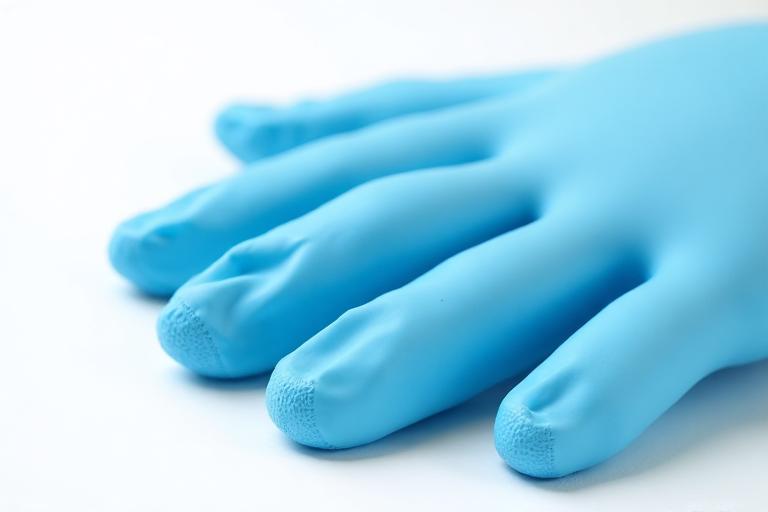
ASTM chemo-rated gloves for handling hazardous drugs. |
|
Masks |
N95 and R95 |
NIOSH-certified masks recommended for surgical use. |
|
Goggles |
Autoclavable |
Single-use goggles that protect eyes from exposure. |
|
Gowns |
Polyethylene-coated polypropylene |
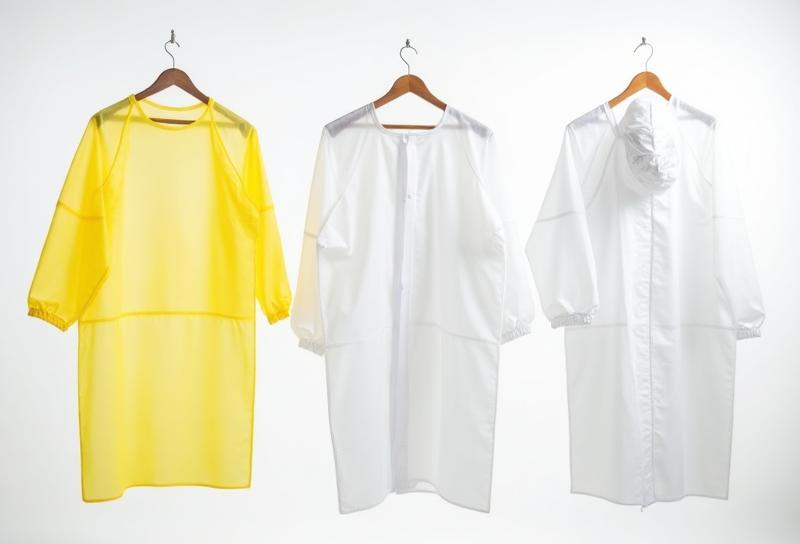
ASTM-rated impervious gowns for safe handling. |
Design Features
Comfort and ergonomic design are essential when choosing USP 800 PPE. If the equipment is uncomfortable, you may not wear it properly, increasing your risk of exposure. Here are some design features to consider:
-
Ergonomic Fit: PPE should fit well and allow for easy movement. This design helps prevent fatigue and discomfort during long shifts. Ergonomic practices integrated with PPE use enhance safety and well-being.
-
Breathability: Fabrics should allow for airflow while still providing protection. Breathable materials help reduce heat buildup, making it easier for you to wear PPE for extended periods.
-
Adjustable Features: Look for PPE with adjustable straps or closures. These features allow you to customize the fit, ensuring comfort and security.
-
Lightweight Materials: Lightweight fabrics reduce the burden of wearing PPE. This aspect is especially important for full-body suits or gowns, which can be cumbersome.
Comfort significantly influences compliance with PPE protocols among healthcare workers. The quality and fit of PPE directly relate to comfort, impacting adherence to safety guidelines. Improper sizing can lead to discomfort, which may result in lower compliance rates.
Here are some additional protective items to consider:
-
Shoe covers made from polyethylene-coated polypropylene, disposable and skid-resistant.
-
Bunny suits (coveralls) for full-body protection against hazardous drugs.
-
Disposable cleanroom-grade face masks for facial protection.
-
Disposable, latex-free, and powder-free gloves for handling hazardous drugs.
By focusing on these material properties and design features, you can ensure that your choice of protective fabrics meets USP 800 requirements while keeping you safe and comfortable.
Evaluating Fabric Technologies
When you choose fabrics for USP 800 PPE, you encounter various options. Each fabric type has unique properties that affect performance. Here are some common fabric types used in USP 800 PPE:
-
Spunbonded or Thermal Bond: This fabric offers good liquid resistance. It is lightweight and comfortable but may not provide the highest level of protection against hazardous drugs.
-
Flash Spun: This type is known for its excellent barrier properties. It protects against liquid penetration but can be less breathable than other options.
-
Melt Blown: This fabric excels in filtration and liquid resistance. It is often used in masks and gowns but can be more expensive.
-
Spunbonded/Melt Blown/Spunbonded (SMS): This three-layer fabric combines the benefits of spunbonded and melt blown materials. It offers a good balance of comfort and protection.
-
Film Laminate: This fabric provides a strong barrier against liquids. It is durable but may lack breathability, making it less comfortable for long wear.
-
Microporous Film Laminate: This fabric allows for breathability while maintaining liquid resistance. It is ideal for extended use but can be pricier.
When selecting your PPE, consider the seam construction. Bound seams are recommended for disposable garments. They minimize the risk of strikethrough and permeation, which can lead to exposure. In contrast, serged seams increase the risk of exposure, making them less suitable for handling hazardous drugs.
Each fabric type has its advantages and disadvantages. For example, while melt blown fabrics offer excellent protection, they may not be as comfortable for long shifts. On the other hand, spunbonded fabrics provide comfort but may not offer the same level of protection.
By understanding these differences, you can make informed decisions about the best fabric technologies for your USP 800 PPE needs.
Practical Selection Tips
When selecting PPE fabrics for USP 800 compliance, you must assess workplace hazards and specific needs. Understanding these factors helps you choose the right protective equipment. Consider the following factors:
|
Factor |
Description |
|---|---|
|
Dosage Form |
The specific form in which the drug is administered (e.g., tablet, injection). |
|
Routes of Exposure |
The ways in which exposure can occur (e.g., inhalation, skin contact). |
|
Frequency |
How often exposure occurs during work activities. |
|
Duration |
The length of time exposure lasts during each incident. |
|
Magnitude of Exposure |
The level or intensity of exposure to the hazardous drug. |
|
Work Practices |
The methods and procedures used by workers when handling hazardous drugs. |
|
Exposure Controls |
The presence of safety measures such as engineering controls, administrative controls, or PPE. |
Evaluating supplier reliability is equally important. You want to ensure that your PPE meets USP 800 standards. Here are some tips to help you evaluate suppliers:
-
Look for suppliers that provide surgical N95 respirators worn with safety goggles.
-
Consider reusable full-face respirators with particulate (P100) filters or cartridges.
-
Check for Powered Air-Purifying Respirators (PAPRs) with HEPA filters or organic vapor cartridges.
For compliance, designate someone to oversee the implementation of USP <800> procedures. This person should evaluate the processes for selecting and using PPE. They must also consult with manufacturers and distributors during the selection process. This ensures you choose the right PPE for your needs.
Avoid common mistakes when selecting PPE fabrics. For example, using surgical gloves instead of cleanroom gloves can introduce contamination. Instead, opt for sterile cleanroom gloves designed for compatibility. Additionally, using general-use gowns that shed fibers offers minimal protection. Choose cleanroom garments made from microporous laminate materials for full coverage.
By following these practical selection tips, you can enhance safety and compliance in your workplace while effectively protecting yourself and your colleagues from hazardous drug exposure.
Selecting compliant and effective protective fabrics is vital for your safety in healthcare settings. You must prioritize liquid resistance, low permeability, and comfort when choosing PPE. Recent advancements, such as nanofibers and self-cleaning fabrics, enhance protection against hazardous drugs.
Ongoing education about PPE technologies benefits you by keeping you informed about proper usage and maintenance. This knowledge fosters a culture of safety, ensuring compliance with safety standards. Remember, your choice of protective fabrics not only impacts your safety but also contributes to a positive workplace culture.
FAQ
What is USP 800?
USP 800 sets standards for handling hazardous drugs in healthcare settings. It aims to protect healthcare workers, patients, and the environment from exposure to these drugs.
Why is PPE important for USP 800 compliance?
PPE protects you from hazardous drug exposure. It reduces the risk of serious health issues, ensuring safety while handling these substances in healthcare environments.
How do I choose the right PPE fabric?
Select fabrics based on liquid resistance, low permeability, and comfort. Consider your specific workplace hazards and the type of hazardous drugs you handle.
What are common types of PPE fabrics?
Common PPE fabrics include spunbonded, melt blown, and SMS. Each type has unique properties that affect comfort and protection against hazardous drugs.
How often should I replace my PPE?
Replace PPE according to manufacturer guidelines or when it shows signs of wear. Regularly inspect your equipment to ensure it remains effective and compliant with safety standards.