USP 800 sets the standard for handling hazardous drugs in healthcare, emphasizing the importance of ‘Mastering Environmental Safety: USP 800 Decontamination PPE Protocols’. This regulation aims to protect both patients and staff from potential harm. Effective decontamination protocols play a crucial role in minimizing risks associated with hazardous drug exposure. For instance, studies show that non-critical medical devices, like stethoscopes, can harbor harmful pathogens, leading to healthcare-associated infections. In fact, stethoscope contamination rates reach as high as 85%. Implementing robust decontamination practices, as outlined in ‘Mastering Environmental Safety: USP 800 Decontamination PPE Protocols’, ensures a safer environment, alleviating concerns about infection and promoting overall health within your facility.
Key Takeaways
-
Implement regular training for staff on USP 800 decontamination protocols to enhance safety and compliance.
-
Use approved cleaning agents like AHP® products and 70% alcohol solutions for effective decontamination.
-
Conduct surface wipe sampling every six months to monitor hazardous drug residues and ensure compliance.
-
Establish clear cleaning procedures tailored to your facility to reduce confusion and improve adherence to protocols.
-
Invest in proper facility design to minimize long-term operational disruptions and legal risks.
USP 800 Decontamination Overview

Key Components of Decontamination
USP 800 is a chapter of the U.S. Pharmacopeia that outlines best practices for handling hazardous drugs. This regulation plays a vital role in ensuring the safety of patients, healthcare workers, and the environment. By emphasizing safe handling and disposal methods, USP 800 directly impacts environmental safety. Here are some key points regarding its relevance:
-
USP 800 sets industry standards for handling hazardous drugs.
-
It aims to protect patients, healthcare personnel, and the environment.
-
The guidelines include safe handling and disposal practices that impact environmental safety.
Decontamination protocols are essential in healthcare settings. They help minimize the risks associated with hazardous drug exposure. Effective decontamination reduces contamination rates, which can lead to healthcare-associated infections. For instance, contamination in community pharmacies is prevalent, especially in areas like electronic pill counters and compounding stations. A study highlighted the effectiveness of specific cleaning agents, such as Ecolab QSR heavy-duty degreaser, in eliminating contamination. This evidence supports the effectiveness of USP 800 decontamination protocols in reducing hazardous drug exposure.
Essential elements of decontamination protocols include:
-
Risk Assessment: Evaluate the level of risk associated with hazardous drugs in your facility.
-
Cleaning Procedures: Implement specific cleaning procedures tailored to the types of surfaces and equipment in use.
-
Personal Protective Equipment (PPE): Ensure that staff members wear appropriate PPE during decontamination processes.
-
Training and Education: Provide ongoing training to staff about the importance of decontamination and the correct procedures to follow.
The C-D3™ Protocol is a significant aspect of decontamination. This protocol focuses on cleaning, disinfecting, and deactivating hazardous drugs effectively. By following the C-D3™ Protocol, you can enhance the safety of your environment and ensure compliance with USP 800 standards.
Step-by-Step Decontamination Procedures
Preparation and Execution
Before you begin decontamination, follow these essential steps to ensure safety and effectiveness:
-
Conduct a Risk Assessment: Evaluate all hazardous drugs in your facility. Identify potential exposure risks to staff and patients.
-
Define Roles and Responsibilities: Clearly assign tasks to staff members involved in the decontamination process.
-
Develop Written Policies and Procedures: Establish comprehensive guidelines for deactivation, decontamination, and cleaning. This documentation is crucial for compliance with USP 800.
-
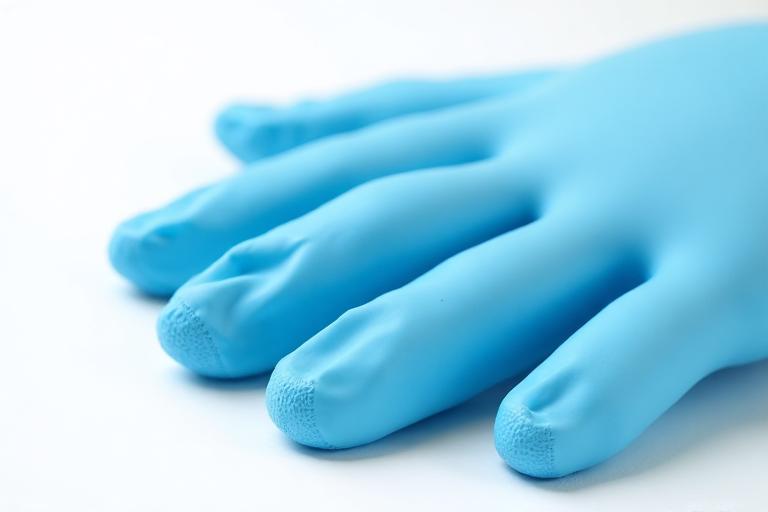
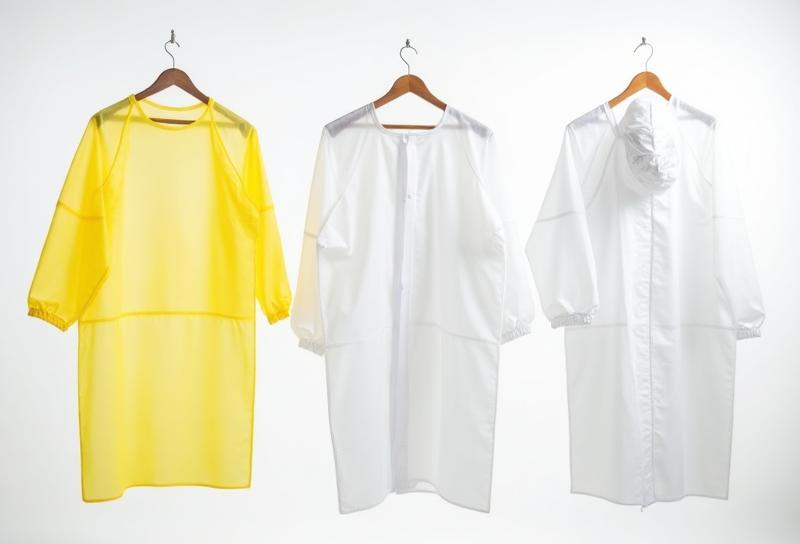
Provide Personal Protective Equipment (PPE): Equip your staff with necessary PPE, including gloves, gowns, hair covers, and respirators. This gear protects them from hazardous drug exposure.
-
Train Personnel: Offer training sessions to ensure staff understands the procedures and the importance of following them.
The decontamination process itself involves several critical actions:
-
Deactivation: Use EPA-registered oxidizers like peroxide formulations to render hazardous drugs inactive.
-
Decontamination: Remove hazardous drug residues using alcohol or water.
-
Cleaning: Eliminate organic and inorganic materials with a germicidal agent.
-
Disinfection: Destroy microorganisms using an EPA-registered disinfectant.
Post-Decontamination Assessment
After completing the decontamination process, assess its effectiveness. Regular assessments help maintain a safe environment. You should conduct surface wipe sampling for hazardous drug residues at least every six months. This frequency aligns with USP 800 recommendations.
To evaluate the effectiveness of your decontamination efforts, consider the following metrics:
|
Metric Type |
Value (ng/cm²) |
Description |
|---|---|---|
|
90th Percentile for CP |
Surface contamination threshold for compounding pharmacies |
|
|
90th Percentile for GEM |
0.007 |
Surface contamination threshold for general environments |
|
90th Percentile for PCX |
0.003 |
Surface contamination threshold for personal care |
|
Proportion of Surfaces > LOD |
Varies |
Percentage of surfaces exceeding contamination limits |
By adhering to these procedures and conducting thorough assessments, you can ensure compliance with USP 800 and maintain a safe environment for everyone involved.
Best Practices for Environmental Safety: USP 800 Decontamination PPE Protocols

Training and education are vital for ensuring compliance with USP 800 decontamination PPE protocols. You must equip your staff with the knowledge and skills necessary to handle hazardous drugs safely. Implementing a structured training program can significantly enhance your team’s competence and confidence. Consider the following training elements:
|
Training Element |
Description |
|---|---|
|
Initial orientation |
For new employees to understand PPE protocols. |
|
Annual refreshers |
To reinforce knowledge of PPE protocols. |
|
Hands-on demonstrations |
For proper donning and removal of PPE. |
|
Training documentation |
To track completion of training. |
|
Competency checks |
To confirm understanding of PPE protocols. |
These training components emphasize progressive learning and hands-on skill development. They also incorporate real-time assessments to ensure competency. This approach fosters confidence and competence in handling hazardous drugs.
When it comes to cleaning agents, using approved products is crucial for effective decontamination. AHP® products stand out as a preferred choice in the pharmaceutical industry. They balance efficacy, safety, and compatibility, making them ideal for USP 800 decontamination. Health Canada and the EPA endorse AHP® products, highlighting their effectiveness and safety in disinfecting hazardous drugs. Their frequent mention in the latest USP revisions underscores their status as one of the safest and most effective disinfectants available.
In addition to AHP®, consider these approved cleaning agents:
|
Cleaning Agent |
Effectiveness |
|---|---|
|
Sterile Alcohol (IPA) |
Rapid antimicrobial action, effective against lipophilic viruses, bacteria, and fungi as per CDC. |
|
70% Alcohol Solutions |
Recommended by FDA for routine disinfection in cleanrooms, emphasizing their suitability. |
By prioritizing training and using approved cleaning agents, you can enhance environmental safety in your facility. These best practices will help you maintain compliance with USP 800 and protect both staff and patients from hazardous drug exposure.
Common Challenges and Solutions
Implementing USP 800 decontamination protocols can present several challenges. Here are some common obstacles you might face:
-
Unexpected Issues: Even well-managed facilities can encounter unforeseen problems with cleaning and disinfection processes.
-
Increased Complexity: The revised USP General Chapters <797>, <795>, and <800> have made maintaining cleanroom environments more complicated.
-
Training Needs: Facilities must establish detailed cleaning procedures and ensure that personnel receive proper training and competency assessments.
These challenges can lead to significant costs. For instance, redesigning pharmacy facilities to comply with USP <800> can exceed $1 million for each compounding area. Some hospitals, like Penn, have spent up to $1.5 million on each of their USP <800>-compliant clean rooms. Increased operational costs also arise from the maintenance and monitoring of new systems. Smaller hospitals may struggle with these financial demands, which could force them to outsource drug compounding.
To address these challenges, consider the following solutions:
-
Develop Comprehensive Training Programs: Ensure your staff receives thorough training on cleaning procedures and the importance of compliance. Regular refreshers can help maintain their skills.
-
Create Detailed Cleaning Protocols: Establish clear, step-by-step cleaning procedures tailored to your facility’s needs. This clarity can reduce confusion and improve compliance.
-
Invest in Facility Design: While initial costs may be high, investing in compliant facility design can save money in the long run by reducing operational disruptions and legal risks.
-
Monitor Compliance Regularly: Conduct routine assessments to ensure adherence to USP 800 standards. This practice can help you identify areas for improvement before they become significant issues.
Failure to comply with USP 800 can lead to serious consequences. Here’s a summary of potential legal repercussions:
|
Type of Consequence |
Description |
|---|---|
|
Non-compliance can lead to fines, license suspension, or revocation, as seen in a case involving a pharmacy in California. |
|
|
PBM Contract Jeopardy |
Non-compliance may result in exclusion from Pharmacy Benefit Manager networks due to audits. |
|
Patient and Staff Harm |
OSHA may cite facilities for failing to provide a safe workplace, leading to penalties and increased liability. |
|
Operational Disruption |
Facilities may face service interruptions or costly upgrades to meet compliance standards. |
By proactively addressing these challenges, you can enhance safety and compliance in your facility.
In summary, adhering to USP 800 decontamination protocols is crucial for maintaining environmental safety in healthcare settings. These protocols encompass all stages of hazardous drug management, from receiving to disposal. By following these guidelines, you significantly reduce the risk of hazardous drug exposure, protecting both patients and staff.
Consider these key practices:
-
Conduct regular training for your personnel on safe handling and decontamination.
-
Utilize effective cleaning agents like sodium hypochlorite and hydrogen peroxide.
-
Implement thorough monitoring through surface sampling to ensure compliance.
By prioritizing these practices, you foster a safer environment for everyone involved. Your commitment to these protocols enhances overall safety and compliance in your facility. 🌟
FAQ
What is USP 800?
USP 800 outlines standards for handling hazardous drugs in healthcare settings. It aims to protect patients, staff, and the environment from potential harm caused by these substances.
Why is decontamination important?
Decontamination minimizes the risk of hazardous drug exposure. It helps prevent contamination and healthcare-associated infections, ensuring a safer environment for both patients and healthcare workers.
How often should I conduct surface wipe sampling?
You should conduct surface wipe sampling for hazardous drug residues at least every six months. This frequency aligns with USP 800 recommendations to maintain compliance and safety.
What PPE should staff wear during decontamination?
Staff should wear appropriate PPE, including gloves, gowns, hair covers, and respirators. This gear protects them from exposure to hazardous drugs during the decontamination process.
What cleaning agents are recommended for USP 800 compliance?
Approved cleaning agents include AHP® products, sterile alcohol, and 70% alcohol solutions. These agents effectively disinfect surfaces and help maintain compliance with USP 800 standards.