

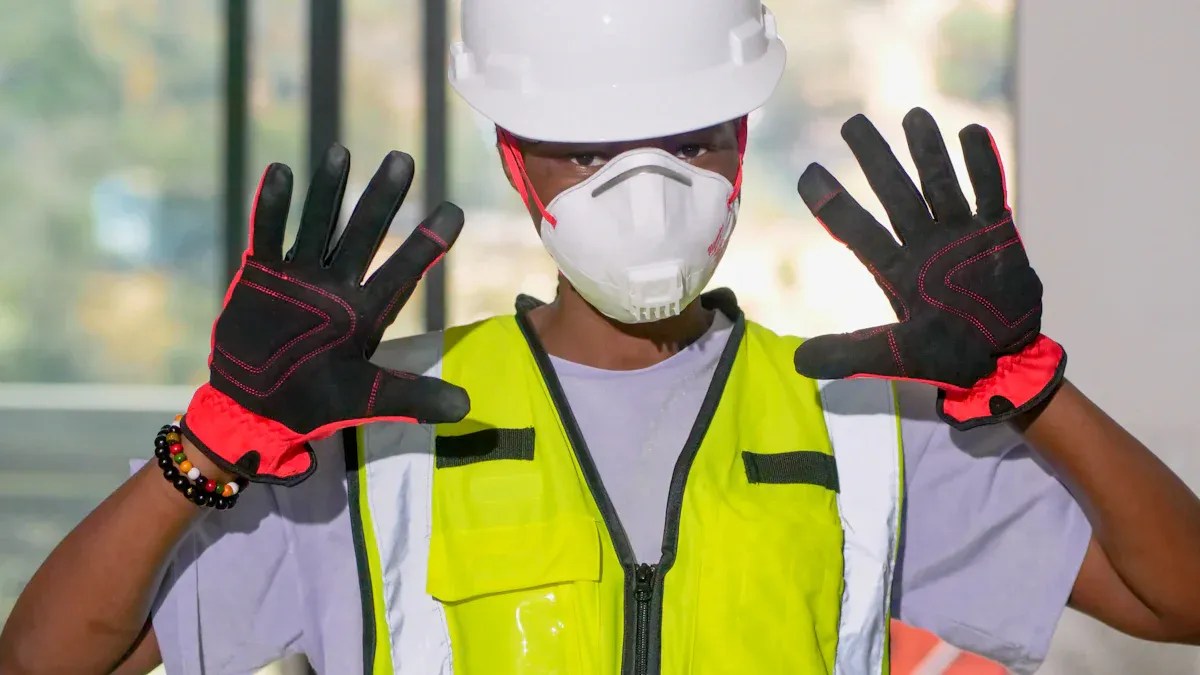
Managing airborne fluid spray in healthcare settings is crucial for ensuring safety. Isolation gowns play a vital role in protecting you from exposure to infectious materials. Selecting and using these gowns correctly is essential. Proper techniques help you minimize risks and maintain a safe environment during procedures. Understanding how to manage airborne fluid spray with isolation gowns for aerosol generating procedures is key to significantly enhancing your protective measures.
Key Takeaways
-
Isolation gowns are essential for protecting against airborne fluid spray in healthcare settings. Choose the right gown based on the risk level of the procedure.
-
Proper donning and doffing techniques are crucial. Follow steps to ensure gowns fit well and minimize contamination risks.
-
Regularly inspect gowns for damage before use. A damaged gown cannot provide adequate protection against infectious materials.
-
Stay informed about the latest guidelines and best practices for gown usage. This knowledge enhances safety for you and your patients.
-
Always use additional personal protective equipment (PPE) alongside isolation gowns. Masks and eye protection are vital for comprehensive safety.
Airborne Fluid Spray Overview

Definition and Sources
Airborne fluid spray refers to tiny droplets that can carry infectious agents through the air. These droplets often come from human activities, such as:
-
Sneezing and coughing: A single sneeze can release up to 40,000 droplets, traveling at speeds of 100 m/s.
-
Breathing and talking: Even normal conversation can produce respiratory droplets.
-
Procedures in healthcare: Certain medical procedures can generate aerosols, increasing the risk of exposure.
Understanding these sources is vital for infection control. To fully grasp the threat of airborne transmission, we have to look closer at the microscopic level. When healthcare workers perform aerosol generating procedures—such as intubation or dental work—larger respiratory droplets are atomized into a fine mist. These airborne contaminants contain microscopic microorganisms, including bacteria, fungi, fungal spores, and highly contagious pathogens.
Because their diameter is incredibly small, often measured in just a few μm (micrometers), they do not immediately fall to the ground; they remain suspended and easily inhaled. Furthermore, the source of these threats isn’t limited to the human respiratory tract. Pathogens can also be aerosolized from environmental sources, including contaminated water, lingering moisture, and kicked-up dust in the air. Effective management strategies involve removing contaminated materials and ensuring proper cleaning practices.
Risks of Airborne Fluid Spray
Exposure to airborne fluid spray poses significant health risks, especially for healthcare workers. Studies show that healthcare professionals perceive aerosol-generating procedures (AGPs) as high-risk for respiratory infections. This perception can lead to anxiety and reluctance to perform necessary tasks.
In any bustling health-care facility, uncontrolled airborne spray acts as a silent catalyst. It accelerates the spread of disease and dramatically elevates the risk of Hospital-Acquired Infections (HAIs). The clinical evidence is clear: unprotected exposure to these aerosols can transmit severe threats.
The health risks associated with airborne fluid spray include:
-
Increased likelihood of respiratory infections, such as influenza and tuberculosis (TB).
-
Symptoms like nasal irritation, ocular discomfort, and respiratory issues, which can arise from frequent exposure to cleaning sprays.
-
The potential for serious diseases, including SARS-CoV-2, which can spread through inhalation of infectious aerosols.
-
Exposure to blood borne viruses if blood is aerosolized during trauma care or surgery.
-
Transmission of opportunistic and resistant pathogens, including S. aureus (like MRSA), VZV (Varicella-Zoster Virus), P. carinii, and various other bacterial and fungal spp (species).
In dental settings, pathogens like Mycobacterium tuberculosis can contaminate surfaces and pose risks to both patients and providers. Awareness of these risks is crucial for maintaining safety in healthcare environments.
Selecting Isolation Gowns for Procedures

Types of Isolation Gowns
Isolation gowns come in various types, each designed for specific levels of protection. Understanding these types helps you choose the right gown for your procedures. Isolation gowns are categorized based on their fluid resistance into three levels:
-
Basic Gowns: Suitable for low-risk situations. These gowns provide minimal protection against fluid exposure.
-
Medium-Level Gowns: Designed for moderate-risk procedures. They offer better fluid resistance than basic gowns.
-
High-Level Gowns: Recommended for high-risk scenarios, especially those that generate aerosols. These gowns provide maximum protection against splatter and aerosols, making them ideal for dental and surgical settings.
In dental offices, isolation gowns protect healthcare professionals from splatter and aerosols. The choice of gown depends on the risk associated with the procedure. For lower-risk procedures, you can use less protective gowns. However, for higher-risk procedures, opt for gowns with greater protection.
When evaluating different Gown Types, assessing the specific Gown Material and integrated Gown Features (like sealed seams) against established Gown Performance Standards is non-negotiable.
Key Features for Selection
When selecting isolation gowns, consider several key features to ensure adequate protection:
-
Material: Choose gowns made from effective barrier materials. Look for lightweight, fluid-resistant options like polypropylene and polyester.
-
Fluid Resistance: Ensure the gown has a fluid-resistant or waterproof layer. This feature is crucial for protecting against potential exposure to fluids.
-
Design and Fit: Gowns with adjustable ties or elastic cuffs enhance comfort and security. A proper fit reduces the risk of exposure.
-
Length: Longer gowns provide more coverage and protection. This feature is especially important during procedures that generate aerosols.
-
Ease of Donning and Doffing: Select gowns that are easy to put on and take off. This aspect is vital for maintaining hygiene standards.
-
Comfort: Ensure proper sizing and consider moisture-wicking undergarments. Comfort can affect your ability to perform tasks effectively.
Recent advancements in gown technology have raised concerns about the effectiveness of disposable isolation gowns. Studies show that these gowns may allow more liquid to penetrate than expected. This finding highlights the importance of selecting gowns that meet established standards for fluid resistance.
Regulatory agencies evaluate isolation gowns based on strict performance standards. In the United States, the ANSI/AAMI PB70 standard classifies gowns into four levels of barrier performance. Level 1 offers the least protection, while Level 4 provides the highest. The entire gown is considered a critical zone, ensuring comprehensive protection against potential exposure to blood and body fluids.
However, clinical safety is a global effort. Beyond U.S. guidelines, robust international frameworks—such as the Australian standard AS 4381:2015, guidelines from the Australian Commission on Safety and Quality in Health Care, and the highly regarded Victorian guideline on CPE (Carbapenemase-producing Enterobacterales)—also emphasize stringent fluid resistance testing to guarantee worker safety on a global scale.
By understanding the types of isolation gowns and their key features, you can make informed decisions about which gowns to use for various procedures. This knowledge is essential for managing airborne fluid spray effectively.
How to Manage Airborne Fluid Spray with Isolation Gowns
Donning Techniques
Proper donning techniques are essential for maximizing protection against airborne fluid spray. Follow these steps to ensure you wear your isolation gown correctly:
-
Hand Hygiene: Start by performing hand hygiene. Use soap and water or an alcohol-based hand rub before touching any personal protective equipment (PPE).
-
Gown: Put on the isolation gown. Ensure it fully covers your torso and fits comfortably over your body. This gown protects your skin and clothing during procedures where contact with bodily fluids is likely.
-
Mask or Respirator: Secure the mask or respirator. Tie it at the middle of your head and neck. Make sure it fits snugly against your face and below your chin. If using a respirator, perform a seal-check to confirm a proper fit.
-
Goggles or Face Shield: Place goggles or a face shield over your face and eyes. Adjust them to fit snugly. If you use goggles, ensure they fit securely around your eyes or personal glasses.
-
Gloves: Finally, put on gloves. Extend the gloves to cover the wrist of the isolation gown. This step helps prevent exposure at the critical junction where the gown meets the gloves.
A well-fitting gown is crucial for preventing exposure to contaminants. Training on the correct use, donning, and doffing of gowns enhances safety. Remember, critical points where the gown meets gloves or other PPE are areas of potential contamination.
Doffing Techniques
Doffing isolation gowns correctly is just as important as donning them. Follow these steps to minimize the risk of self-contamination:
-
Break the Neck Closure: Pull the shoulders of the gown to break the neck closure.
-
Break the Ties: Pull again at the waist to break the ties.
-
Roll the Gown: Roll the gown down your body inside out into a ball using your medical gloves. This method ensures that fluids and contaminants remain contained.
-
Discard the Gown: Dispose of the gown in an appropriate receptacle.
When doffing, avoid touching the critical zones of the gown, except for the cuffs and hems. All areas except these cuffs and hems are considered critical zones of protection. Proper doffing techniques help prevent the transfer of infectious materials to yourself or others.
In high-risk procedures, consider wearing additional protective gear, such as face shields or goggles. Studies show that using comprehensive PPE, including isolation gowns, significantly reduces the risk of infection. For example, research by Zhao et al. found that healthcare workers using gloves, isolation gowns, face shields, and goggles had negative COVID-19 test results. This evidence supports the importance of using multiple layers of protection during aerosol-generating procedures.
By mastering these donning and doffing techniques, you can effectively manage airborne fluid spray with isolation gowns. This practice not only protects you but also contributes to the overall safety of your healthcare environment.
Best Practices for Effective Use
Maintaining Gown Integrity
To ensure maximum protection, you must maintain the integrity of your isolation gown throughout its use. Follow these guidelines:
-
Gown Inspection: Before each use, conduct a visual Gown Inspection for any tears or defects. A damaged gown cannot provide adequate protection.
-
Avoid Contamination: Keep the gown away from surfaces that may be contaminated. This practice helps prevent exposure to infectious materials.
-
Limit Movement: Minimize unnecessary movements while wearing the gown. Excessive movement can lead to wear and tear, increasing the risk of strikethrough and compromising total containment.
-
Gown Storage: Practice proper Gown Storage in a clean, dry area. Improper storage can lead to contamination before the gown is even worn, reducing the gown’s effectiveness.
Research shows that more than one-third of healthcare workers have experienced gown strikethrough due to improper handling or storage. In a clinical study, 34.3% of respondents reported gown strikethrough during nonsurgical procedures. This data highlights the importance of maintaining gown integrity.
Situational Awareness
Situational awareness is crucial when using isolation gowns. You should always be aware of your surroundings and the potential risks involved. Here are some strategies to enhance your situational awareness:
-
Stay Informed: Strictly adhere to infection prevention and control protocols. Your facility’s infection control committee provides specific recommendations dictating when to use basic Standard precautions versus stricter Transmission-based precautions based on clinical assessment.
-
Monitor Your Environment: Be aware of any changes in your surroundings that may increase the risk of exposure. This includes recognizing when a procedure may generate aerosols.
-
Communicate with Your Team: Maintain open communication with your colleagues. Discuss any concerns regarding gown usage and share best practices.
- Environmental Vigilance: Airborne sprays eventually land. Routine cleaning of all environmental surfaces is mandatory. In outbreak scenarios, facilities may even conduct Microbiologic sampling to verify that disinfection protocols are genuinely working.
-
Practice Regular Training: Regularly participate in training sessions on proper donning and doffing techniques. This practice reinforces safety protocols and helps prevent contamination.
While gowns and masks protect the individual worker, defeating airborne threats comprehensively requires tackling the environment itself through advanced clinical architecture. Managing aerosolized fluids cannot rely on PPE alone; it depends heavily on mechanical design and specialized facility infrastructure.
Ventilation and Filtration
The first line of environmental defense is engineered air control. Facilities utilize industrial-grade HEPA (High-Efficiency Particulate Air) filtration systems to scrub the air. By employing Laminar airflow combined with powerful exhaust and fan systems, hospitals can direct contaminated air away from healthcare workers and through filters before it leaves the unit. Maintaining optimal Humidity levels is also critical, as extremely dry air can cause infectious droplets to shrink, allowing them to remain suspended longer.
Pressure Control
Managing air pressure is a highly technical, yet life-saving science. Hospitals use negative pressure ventilation for Airborne Infection Isolation (AII) rooms. This setup ensures that when a door opens, air rushes into the room, preventing contagious aerosols from escaping into the hallway. Conversely, positive pressure is used to protect vulnerable patients, such as those in a Hematopoietic Stem Cell Transplant (HSCT) ward, keeping outside contaminants at bay. These specialized rooms often feature an anteroom at the entry, complete with clear warning signage, where staff can safely don and doff gowns. Facilities require constant monitoring of these pressure differentials to ensure safety margins are met.
Advanced Disinfection and Engineering Defense
To neutralize lingering airborne droplets, many facilities integrate UVGI (Ultraviolet Germicidal Irradiation) into their ductwork or upper-room air spaces. Furthermore, environmental threats spike dramatically when a facility undergoes construction, renovation, demolition, or routine repairs—each project has the potential to kick up dangerous fungi and dust from disturbed wood and debris. To prevent this, hospitals must execute a strict Infection Control Risk Assessment (ICRA) using guidelines from ASHE (American Society for Health Care Engineering) or the AIA. This often involves erecting physical barriers and deploying a portable HEPA box to ensure construction dust never breaches a clean operating space or laboratory.
For quick reference, infection control engineers often look to a specific table or figure outlining the mandated air changes per hour based on the room’s specific volume (measured in cubic meters, m3), ensuring every technical term and safety grade and maintenance protocol is strictly enforced.
Common Mistakes to Avoid
Misuse of Isolation Gowns
You must avoid common mistakes when using isolation gowns. A 2012 survey revealed that about 25% of infection preventionists experienced strikethrough of gowns. Additionally, 45% reported issues with tearing. These problems often arise from improper handling or selecting the wrong gown for the procedure.
Here are some common misuse scenarios to watch for:
-
Wearing a gown that is too small: A gown that does not fit properly can expose your skin and clothing to contaminants.
-
Using a gown beyond its intended purpose: Some gowns are not designed for high-risk procedures. Always choose a gown that matches the level of exposure you expect.
-
Neglecting to inspect the gown before use: Failing to check for tears or defects can lead to contamination during procedures.
Half of the surveyed professionals lacked training to understand gown performance issues. This lack of knowledge can lead to ongoing reports of contamination and leakage, despite reviews of gown standards.
Neglecting Additional PPE
Isolation gowns alone do not provide complete protection. You must also use other personal protective equipment (PPE) to ensure your safety. Neglecting additional PPE can significantly increase your risk of exposure.
Consider these important points:
-
Masks and eye protection are essential: These items shield you from respiratory secretions and aerosolized blood or body fluids, especially during procedures that may generate splashes.
-
Isolation gowns protect your arms and exposed areas: They prevent the transfer of infectious materials to your clothing and skin. However, they do not cover your face or respiratory system.
-
OSHA standards require appropriate PPE: The OSHA bloodborne pathogens standard mandates using the right PPE to prevent blood or other potentially infectious materials from reaching your skin or mucous membranes.
A table summarizing the consequences of improper gown use highlights the importance of comprehensive protection:
|
Evidence Type |
Statistic/Fact |
|---|---|
|
Hospital-Acquired Infections (HAIs) |
42% of HAIs were linked to improper PPE handling, including gown misuse. |
|
Healthcare Workers’ Behavior |
Up to 30% of healthcare workers admitted to occasionally walking short distances in contaminated gowns. |
By avoiding these common mistakes, you can enhance your safety and the safety of those around you in healthcare settings.
Effectively managing airborne fluid spray with isolation gowns is crucial for your safety in healthcare settings. Remember these key points:
|
Description |
|
|---|---|
|
Barrier Effectiveness |
Isolation gowns must provide a strong barrier against liquid and microorganism penetration to be effective. |
|
Compliance |
Your adherence to gown usage is crucial for preventing exposure to airborne fluid sprays. |
|
Selection Criteria |
Choose gowns based on performance characteristics such as abrasion resistance, strength, and breathability. |
Implementing best practices can significantly reduce infection rates. Studies show that gown contamination rates vary widely, highlighting the need for proper selection and usage. By following these guidelines, you enhance safety for yourself and your patients.
Embrace these practices to create a safer healthcare environment!
FAQ
What is the purpose of isolation gowns?
Isolation gowns protect you from exposure to infectious materials during medical procedures. They act as a barrier against airborne fluid spray, ensuring your safety and reducing the risk of contamination.
How do I know which isolation gown to choose?
Select isolation gowns based on the level of fluid exposure expected during procedures. Consider factors like material, fluid resistance, and fit to ensure adequate protection.
Can I reuse isolation gowns?
Most isolation gowns are designed for single use. Reusing them can compromise their integrity and effectiveness. Always follow your facility’s guidelines regarding gown usage.
What should I do if my gown gets damaged during a procedure?
If your gown becomes damaged, immediately stop the procedure and replace it with a new gown. Ensure you follow proper doffing techniques to avoid contamination.
Are isolation gowns effective against all types of infections?
Isolation gowns provide protection against many infectious agents, especially those transmitted through fluids. However, they may not protect against all pathogens. Always use additional PPE as needed.

Head-to-Toe Zero-Gap Protection
Complete PPE integration for CSSD decontamination workflows


