

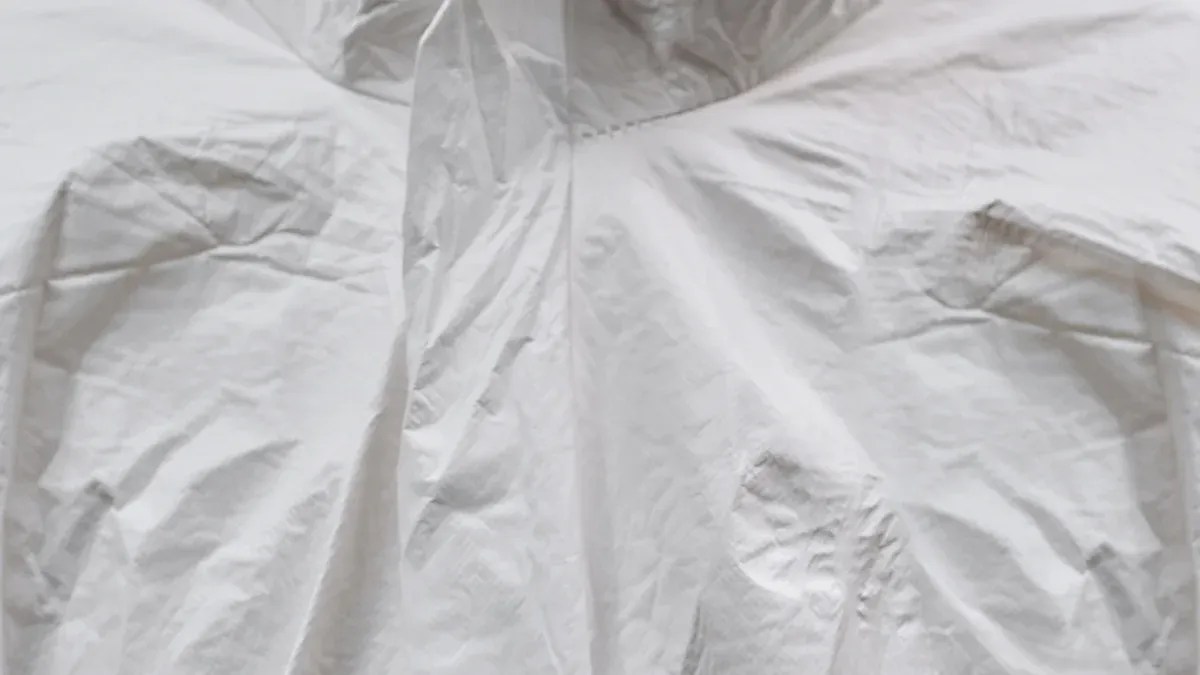
Isolation gowns play a vital role in infection control within Central Sterile Supply Departments (CSSD). These gowns protect healthcare workers and patients from harmful pathogens. When selecting the right gown, consider several critical factors. Focus on the material, fit, and level of protection. Making informed choices ensures safety and compliance with health standards. Understanding how to choose between SMS and microporous laminate isolation gowns for CSSD is essential for effective protection.
Key Takeaways
-
Isolation gowns are essential for protecting healthcare workers and patients from infections. They cover the body from neck to thighs, preventing exposure to harmful pathogens.
-
When selecting a gown, consider the material, fit, and protection level. Each factor plays a crucial role in ensuring safety during medical procedures.
-
Understand the different protection levels of gowns. Higher-risk procedures require gowns with greater protection to effectively guard against exposure to infectious materials.
-
Always consult guidelines from trusted organizations like the CDC and WHO. These resources provide valuable information on gown selection and best practices for use.
-
Assess your specific needs and risks before choosing a gown. Evaluating fluid resistance and exposure levels helps ensure you select the right gown for your procedures.
Understanding Isolation Gowns

Definition and Purpose
Isolation gowns are protective garments used in healthcare settings. According to CDC guidelines, these gowns cover the entire body from neck to thighs. They help prevent contact with blood and body fluids, which can carry harmful pathogens. The entire gown is a critical zone, meaning every part of it plays a role in infection control.
Here are some key features of isolation gowns:
-
They provide full coverage to protect against exposure.
-
Gowns can be disposable or reusable, offering flexibility based on the situation.
-
Secure fastenings, like ties or snaps, ensure the gown stays in place during procedures.
Importance in Healthcare
Isolation gowns are essential for maintaining safety in healthcare environments. They help prevent the spread of pathogens and bodily fluids, protecting both healthcare workers and patients. When you wear an isolation gown, you significantly reduce the risk of infection during medical procedures.
Consider these important aspects of isolation gowns:
-
They should cover your torso completely and fit comfortably.
-
Long sleeves that fit snugly at the wrist help prevent exposure.
-
Gowns are widely used to minimize disease transmission and maintain sterile environments.
By understanding the definition and purpose of isolation gowns, you can make informed choices that enhance safety in your CSSD practices.
Key Considerations

When selecting an isolation gown for CSSD, you must consider several key factors. These factors include material selection, protection level, fit and comfort, and compliance with standards. Each aspect plays a crucial role in ensuring safety and effectiveness in your work environment.
Material Selection
The material of the isolation gown significantly impacts its protective qualities. Common materials include non-woven polypropylene (PP) fabric and microporous laminate. Each material has unique properties that affect durability and barrier performance.
Here’s a quick overview of some materials used in isolation gowns:
|
Material |
Properties |
|---|---|
|
Non-woven PP S. B. Fabric |
Blood, water, and chemical resistant |
|
Anti-alcohol treatment |
Hydrophobic, prevents liquid transmission |
|
Knitted wrist cuffs |
Provides a secure fit |
|
Lace fasteners |
Customizable design options |
Choosing the right material can enhance your protection against infectious materials. For instance, smaller pore sizes in fabrics improve barrier effectiveness against bacterial transmission. Additionally, chemical finishes can enhance water and oil resistance, but they may not prevent bacterial transmission when wet.
The Science Behind Microporous Laminate Film
If you’re wondering what makes microporous laminate isolation gowns so reliable, think of them as a highly advanced, breathable shield. Manufacturers create a non-woven microporous laminate film by applying a specialized microporous film over a durable spunbond base. This microscopic web allows body heat and water vapour to escape, keeping healthcare workers cool during long shifts. At the same time, it creates an absolute fluid-proof barrier protection against outside liquids. It is the ultimate defense against heavy fluid contamination, blood, and other dangerous body fluids frequently encountered in the Emergency Room and the decontamination areas of Central Sterile Supply Departments.
Protection Level
Isolation gowns come with different protection levels, classified based on the risk of exposure. Understanding these levels helps you select the appropriate gown for specific procedures.
Here’s a breakdown of the protection levels:
|
Level |
Risk Category |
Application for Use |
|---|---|---|
|
1 |
Low Risk |
Minimal risk; used for standard precautions and simple procedures |
|
2 |
Low Risk |
Low risk; used for minimally invasive surgery |
|
3 |
High Risk |
Moderate risk; used for open gastrointestinal surgeries |
|
4 |
High Risk |
High risk; used for open cardiovascular and trauma procedures |
Selecting the right protection level is essential, especially when anticipating the volume of infectious materials you may encounter. Higher-risk procedures require gowns that offer more robust protection.
Fit and Comfort
The fit and comfort of an isolation gown are vital for effective use. A gown that fits well allows you to move freely while providing adequate coverage. Look for gowns with features like long sleeves that fit snugly at the wrist. This design helps prevent exposure during procedures.
Comfort is equally important. If a gown feels restrictive or uncomfortable, it may distract you from your tasks. Always choose gowns that allow for ease of movement while ensuring full coverage.
Advanced Design Features for Maximum Safety
A great material is useless if the gown’s construction has weak points. When evaluating high-quality microporous laminate isolation gowns, look closely at the seams and closures. Premium gowns feature ultrasonically welded seams or bound seams rather than standard stitching. Sealed seams prevent dangerous micro-splashes and pathogens from slipping through tiny needle holes.
Secure closures are your first line of defense. Look for a reliable tape tab neck closure or a hook and loop neck closure, paired with long side waist ties for a customizable, secure fit around the full back. Finally, comfortable, latex-free knit cuffs (or elasticized cuffs) are absolutely essential; they ensure the gown stays firmly tucked under your surgical gloves, eliminating exposed skin and drastically reducing the risk of HAIs (Healthcare-Associated Infections).
Compliance with Standards
Isolation gowns must meet specific standards and certifications to ensure their effectiveness. Compliance with these standards guarantees that the gowns provide the necessary barrier performance.
Here’s a summary of the required barrier performance levels for different areas of the gown:
|
Area of Gown |
Required Barrier Performance Level |
|---|---|
|
Areas A, B, C |
At least Level 1 |
|
Area D |
May be non-protective |
Crucial Certifications: ASTM F1671 and EN 14126
In high-risk zones facing severe Biohazards (such as BSL-3 or BSL-4 environments), basic water resistance isn’t enough. You need a verified Viral Barrier. This is where rigorous testing standards come in.
Always check if your surgical gowns or isolation gowns pass the ASTM F1671 standard (which tests resistance to bloodborne pathogens using a surrogate virus) or the European equivalent, EN 14126. Gowns that meet these rigorous standards, often achieving an AAMI Level 4 protection rating, provide the ultimate peace of mind against microscopic threats, pathogens, and even dangerous liquid chemicals.
By considering these key factors, you can make informed decisions when selecting isolation gowns. This careful selection process enhances safety and compliance in your healthcare environment.
How to Choose Between SMS and Microporous Laminate Isolation Gowns for CSSD?
When selecting isolation gowns for CSSD, you may find yourself deciding between SMS and microporous laminate materials. Understanding the differences in material and their suitability for specific procedures can help you make an informed choice.
Differences in Material
The composition of isolation gowns significantly affects their performance. Here’s a comparison of SMS and microporous laminate gowns:
|
Material Type |
Composition |
Protection Level |
Intended Use |
|---|---|---|---|
|
Three layers: spun-bond polypropylene, melt-blown polypropylene, spun-bond polypropylene |
High-level protection in high-risk settings |
Operating rooms, isolation wards |
|
|
PP Isolation Gown |
Single layer of polypropylene |
Basic protection |
Low-risk settings |
|
PP+PE Isolation Gown |
Polypropylene with polyethylene coating |
Moderate protection |
Emergency departments |
SMS gowns consist of multiple layers, providing high-level protection. They are ideal for high-risk environments, such as operating rooms and isolation wards. In contrast, microporous laminated gowns offer a design that is lightweight but incredibly effective against hazardous fluids, making them a staple for heavy-duty infection control.
Suitability for Procedures
Choosing the right gown also depends on the procedures you will perform. Here’s how SMS and microporous laminate gowns compare in terms of performance:
|
Performance Metric |
SMS Gowns |
Microporous Film Gowns |
|---|---|---|
|
Moderate (Level 2 protection) |
High (Level 3–4 protection) |
|
|
Breathability |
High (~2500–3500 g/m²/24h) |
Moderate (~1800–2500 g/m²/24h) |
If you anticipate exposure to high volumes of fluids, microporous laminate gowns provide superior fluid resistance. They are suitable for high-risk procedures, including surgeries where blood and other fluids are present. On the other hand, SMS gowns offer excellent breathable material, making them comfortable for prolonged wear in less fluid-intensive situations.
By understanding these differences, you can select the appropriate gown that meets your specific needs in CSSD. This careful selection enhances safety and compliance in your healthcare environment.
Best Practices for Selection
Assessing Needs and Risks
When selecting isolation gowns, you must assess your specific needs and the risks associated with your procedures. Start by evaluating the level of exposure you expect during your tasks. Use risk assessment tools to help determine the appropriate gown for your situation. These tools can guide you in understanding the following:
-
Fluid Resistance: This is the most critical factor for gown selection. Higher fluid resistance is necessary for procedures with significant exposure.
-
Aerosol Exposure: For aerosol-generating procedures (AGP), opt for gowns that provide higher protection. These gowns guard against splatter and aerosols.
-
Non-Aerosol-Generating Procedures (NAGP): In these cases, a lower risk gown suffices due to minimal exposure.
By carefully assessing these factors, you can choose a gown that meets your safety requirements while ensuring compliance with health standards.
Consulting Guidelines
Always consult established guidelines when selecting isolation gowns. Organizations like the CDC and WHO provide valuable resources that outline best practices for gown usage. These guidelines help you understand the necessary protection levels based on the type of procedure you will perform.
Here are some key points to consider from these guidelines:
-
Gown Classification: Familiarize yourself with the different levels of protection and their intended uses.
-
Material Recommendations: Guidelines often specify which materials are best suited for various healthcare settings.
-
Usage Protocols: Follow protocols for donning and doffing gowns to minimize contamination risks.
By adhering to these guidelines, you enhance safety in your CSSD practices. Making informed decisions based on assessed needs and established protocols will lead to better outcomes for both healthcare workers and patients.
Selecting the right isolation gown for CSSD is crucial for ensuring safety and compliance. Remember to consider factors like material, protection level, fit, and compliance with standards. By making informed choices, you enhance your protection against infections.
Tip: Always consult guidelines from trusted organizations to guide your selection process. Your careful attention to these details can significantly impact the safety of both healthcare workers and patients.
Stay proactive in your gown selection to maintain a safe healthcare environment!
FAQ
What is the primary purpose of an isolation gown?
Isolation gowns protect healthcare workers and patients from exposure to blood and body fluids. They help prevent the spread of infections in healthcare settings.
How do I determine the right protection level for my gown?
Assess the risk of exposure during your procedures. Higher-risk tasks require gowns with greater protection levels, while lower-risk tasks can use gowns with basic protection.
Are isolation gowns reusable?
Some isolation gowns are reusable, while others are disposable. Always check the manufacturer’s guidelines to determine the appropriate use and care for each gown type.
What should I consider when choosing gown size?
Choose a gown that fits comfortably and allows for easy movement. Ensure it covers your torso completely and has long sleeves that fit snugly at the wrist.
How often should I change my isolation gown?
Change your gown after each procedure or if it becomes soiled. This practice helps maintain a sterile environment and reduces the risk of infection.
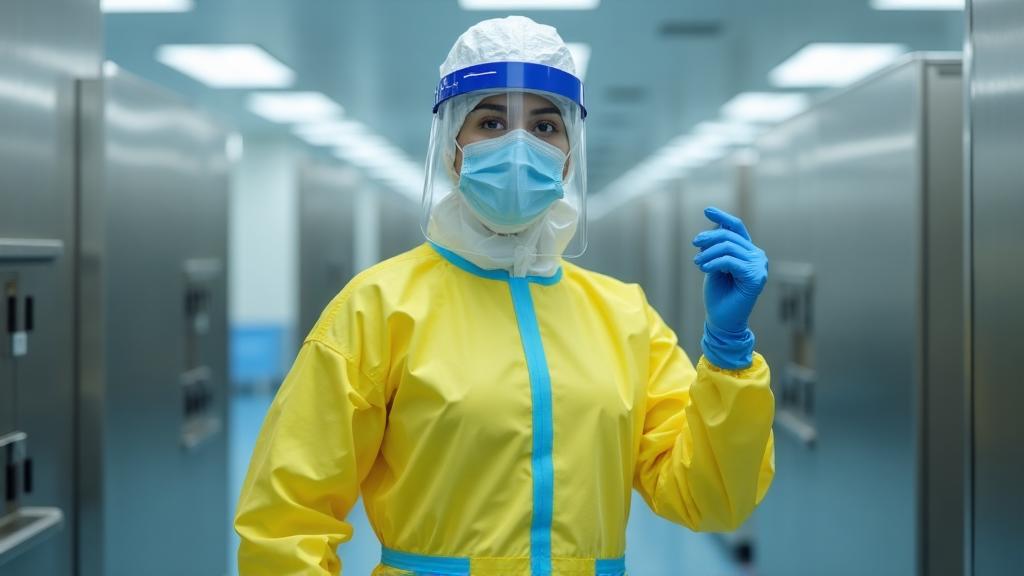
Head-to-Toe Zero-Gap Protection
Complete PPE integration for CSSD decontamination workflows


