

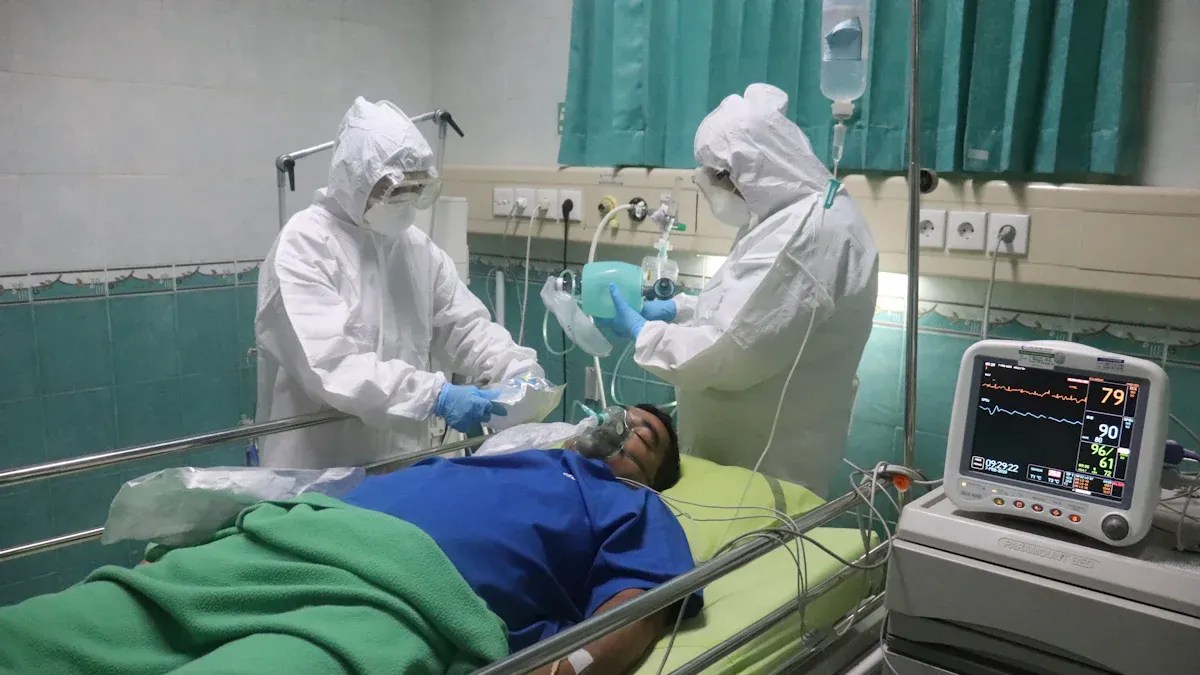
AAMI Level 4 isolation gowns are essential for optimizing ER trauma responses in emergency rooms. These gowns offer the highest level of barrier protection, effectively resisting liquid and viral penetration, which is vital for minimizing contamination. By safeguarding both patients and healthcare personnel from exposure to pathogens in bodily fluids, these gowns significantly enhance patient outcomes. Understanding how to optimize ER trauma responses using AAMI Level 4 isolation gowns highlights their protective capabilities and their direct impact on the quality of care in high-stress environments like the ER.
Key Takeaways
-
AAMI Level 4 isolation gowns provide the highest barrier protection against fluids and pathogens, essential for ER trauma care.
-
Wearing isolation gowns significantly reduces the risk of infection for healthcare workers and improves patient safety during emergencies.
-
Proper training and accessibility of AAMI Level 4 gowns in trauma areas enhance response times and safety in critical situations.
-
Regular audits and feedback mechanisms help maintain compliance with gown usage, ensuring effective infection control practices.
-
Choosing the right gown based on the risk level of exposure is crucial for optimal protection in various healthcare settings.
Role of Isolation Gowns in Trauma

Preventing Contamination
Isolation gowns play a crucial role in trauma care by acting as a protective barrier. They help prevent the transmission of infections during emergency situations. Here are some key functions of isolation gowns:
-
They protect healthcare workers and patients from blood, body fluids, and other potentially infectious materials.
-
The gowns cover the body from the neck down to at least mid-thigh, ensuring full coverage to prevent contaminants from reaching your clothing or skin.
-
You should wear isolation gowns when there is a risk of splashes or contact with infectious substances during patient care.
In trauma cases, the risk of exposure to blood and bodily fluids increases significantly. Isolation gowns are essential in these scenarios to safeguard against harmful pathogens.
Infection Control Impact
Isolation gowns are vital in infection prevention programs, especially in healthcare settings. Wearing these gowns helps protect healthcare workers from exposure to infectious agents. Here are some important points regarding their impact on infection control:
-
Isolation gowns act as a barrier against blood and body fluids, which can carry infectious agents.
-
Studies show that after implementing an infection control plan, compliance with gown use increased significantly, improving infection control practices.
-
Research indicates that gown contamination rates vary, but protective clothing can reduce the risk of infection for healthcare workers.
By using isolation gowns, you contribute to a safer environment for both yourself and your patients. Their role in preventing contamination and controlling infections cannot be overstated, especially in high-stress trauma situations.
Guarding Against Biohazards and Blood-borne Pathogens
In high-stakes environments like a chaotic trauma bay or a mass casualty incident, healthcare workers face unpredictable, high-volume exposure to blood and bodily fluids. AAMI Level 4 isolation gowns undergo rigorous testing, such as ASTM F1670-17 for synthetic blood penetration and ASTM F1671-13 for viral penetration. This strict vetting ensures zero transmission of dangerous blood-borne pathogens and offers robust protection against infectious respiratory droplets.
Furthermore, the protective power of these gowns is not limited to trauma centers. Their superior fluid resistance makes them indispensable in extreme risk settings, including chemical Decontamination areas, high-security BSL-3 and BSL-4 biohazard facilities, and even when handling hazardous Chemotherapy agents (often tested under ASTM F739-12). Implementing these advanced gowns drastically reduces the incidence of Surgical Site Infections (SSIs) and prevents dangerous cross-contamination during life-saving emergency care.
Features of AAMI Level 4 Gowns

Fluid Resistance
AAMI Level 4 isolation gowns provide exceptional fluid resistance, making them crucial for trauma care. These gowns are designed to withstand high levels of exposure to liquids, ensuring that healthcare workers remain protected during critical procedures. Here’s how they compare to lower-level gowns:
|
AAMI Level |
Fluid Resistance |
Use Case |
|---|---|---|
|
Level 1 |
Low to Moderate |
Basic care, non-clinical visitors |
|
Level 2 |
Low |
Blood draws, suturing |
|
Level 3 |
Moderate |
ER, arterial procedures |
|
Level 4 |
High |
Surgeries, infectious disease wards |
In trauma situations, the risk of exposure to blood and other fluids is significant. AAMI Level 4 gowns meet rigorous standards, ensuring zero penetration of synthetic blood under pressurized conditions. This level of protection is vital for maintaining safety during high-risk procedures.
|
Test Standard |
Description |
Requirement |
|---|---|---|
|
ASTM F1670 |
Evaluates resistance to synthetic blood penetration under pressurized conditions simulating clinical splashes |
Zero penetration at 2 psi (∼13.8 kPa) |
|
ASTM F1671 |
Assesses viral penetration using Phi-X174 bacteriophage as a conservative surrogate for HIV, HBV, and HCV |
≥99.9% filtration efficiency under 2 psi pressure |
Advanced Material and Design Specifications
To achieve the highest AAMI ratings for fluid protection, modern medical gowns rely on cutting-edge fabric technology. High-quality AAMI Level 4 gowns often utilize Advanced SMS technology or a Microporous Laminate outer layer combined with a robust 63gsm fabric to create an impenetrable Viral Barrier. Materials like PPSB+PE material or TPU coated SMS provide exceptional tear resistance while maintaining a breathable material profile. This breathability is critical to preventing heat buildup during long surgeries. (For a deeper dive into medical fabrics, read our comprehensive guide on SMS vs. PP Materials.)
Beyond the fabric itself, construction details dictate barrier success. Look for gowns featuring heat-sealed seams or welded seams rather than traditional stitching, which can leave microscopic holes and lead to barrier failure. Secure knitted cuffs, thumb loop cuffs, or standard knit cuffs ensure the sleeves stay securely tucked under gloves, while an over-the-head design minimizes exposure risks to the vulnerable neck and back areas.
Breathability and Comfort
While protection is paramount, comfort and breathability are equally important. AAMI Level 4 gowns are crafted from materials that enhance both comfort and performance. The outer layer consists of a polyethylene film, which provides the highest protection against fluids. The inner layer is made of polypropylene, allowing for increased comfort and breathability.
In high-stress environments like the ER, maintaining body temperature and comfort is essential. Factors such as air permeability and water vapor transmission play a significant role in ensuring that you can perform effectively while wearing protective gear.
-
The AAMI Level 4 Composite Surgical Gown offers durability and comfort.
-
It is designed to provide protection, allowing healthcare professionals to perform high-risk procedures confidently.
By choosing AAMI Level 4 gowns, you ensure that you have the necessary protection without sacrificing comfort. This balance is crucial for maintaining focus and efficiency during emergency situations.
How to Optimize ER Trauma Responses Using AAMI Level 4 Isolation Gowns
Case Studies
To understand the effectiveness of AAMI Level 4 isolation gowns, let’s look at some real-world examples. These case studies demonstrate how these gowns enhance trauma care in emergency rooms.
-
Hospital A: In a busy urban ER, staff implemented AAMI Level 4 gowns during a surge of trauma cases. They reported a 30% decrease in infection rates among healthcare workers. The gowns provided a reliable barrier against blood and bodily fluids, allowing staff to focus on patient care without the fear of contamination.
-
Hospital B: During a mass casualty incident, this facility utilized AAMI Level 4 gowns for all trauma responders. The gowns’ fluid resistance proved crucial. Staff members remained dry and protected, which allowed them to perform life-saving procedures without interruption. Post-incident reviews highlighted the gowns as a key factor in maintaining safety and efficiency.
-
Hospital C: This hospital conducted a study comparing AAMI Level 4 gowns to lower-level gowns. Results showed that the higher-level gowns significantly reduced the risk of contamination during trauma procedures. Staff felt more secure and confident when using AAMI Level 4 gowns, leading to improved patient outcomes.
These case studies illustrate the positive impact of AAMI Level 4 isolation gowns on trauma care. They not only protect healthcare workers but also enhance overall patient safety.
Best Practices for Implementation in the Trauma Bay
Effectively deploying personal protective equipment in a chaotic Emergency Room requires strategic planning. To maximize the benefits of AAMI Level 4 isolation gowns, you should follow these best practices:
-
Strategic Accessibility: Keep your PPE Essentials easily accessible on dedicated isolation carts. Position them near every gurney rail and IV pole in the trauma centers so responders never have to search for gear during a crisis. Quick access allows for rapid response during emergencies.
-
Account for Chaos: Since ER trauma responses often involve sharps, synthetic blood, and rapid patient movement, choosing gowns that are reinforced in the chest and sleeves is crucial. This prevents accidental tearing during a rapid cleanup or emergency triage.
-
Training: Ensure all staff members receive training on proper gown usage. This includes donning and doffing techniques to minimize contamination risks.
-
Accessibility: Keep AAMI Level 4 gowns readily available in trauma areas. Quick access allows for rapid response during emergencies.
-
Regular Audits: Conduct regular audits to assess compliance with gown usage protocols. This helps identify areas for improvement and reinforces the importance of protective gear.
-
Feedback Mechanism: Establish a feedback system for staff to share their experiences with gown usage. This can lead to valuable insights and improvements in protocols.
-
Integration into Protocols: Incorporate AAMI Level 4 gown usage into your ER protocols. Make it a standard practice for all trauma cases to ensure consistency and safety.
By implementing these best practices, you can optimize ER trauma responses using AAMI Level 4 isolation gowns. This approach not only enhances safety but also improves the overall quality of care provided to patients.
Alternatives to AAMI Level 4 Gowns
Equivalent Protection Options
While AAMI Level 4 gowns offer superior protection, other options can provide adequate safety in specific situations. Understanding the context of use is essential when selecting gowns. For example, surgical gowns are sterile and designed for operating rooms, where high fluid resistance is crucial. In contrast, isolation gowns are non-sterile and suitable for non-surgical settings like intensive care units (ICUs).
Here’s a comparison of different gown types:
|
Type of Gown |
Sterility |
Fluid Resistance |
Usage Context |
|---|---|---|---|
|
Surgical Gowns |
Sterile |
High |
Operating Rooms (ORs) |
|
Isolation Gowns |
Non-sterile |
Moderate |
Non-surgical settings (e.g., ICUs) |
Choosing the right gown depends on the anticipated volume of blood and bodily fluids during procedures. For high-risk situations, AAMI Level 4 gowns remain the best choice due to their superior barrier performance. However, in lower-risk environments, other gowns may suffice.
Inventory Management
Effective inventory management is vital for ensuring that you have the right gowns available when needed. Understanding your supply chain helps maintain adequate stock levels. Here are some tips for managing your gown inventory:
-
Regular Audits: Conduct frequent checks to assess your gown supply. This helps identify shortages before they become critical.
-
Supplier Relationships: Build strong relationships with suppliers to ensure timely deliveries. This can prevent delays during emergencies.
-
Usage Tracking: Monitor gown usage patterns. This data can help you predict future needs and adjust orders accordingly.
By implementing these strategies, you can optimize your gown inventory. This ensures that you always have the necessary protective gear on hand, enhancing safety and efficiency in trauma care.
AAMI Level 4 isolation gowns play a vital role in enhancing safety and efficiency in ER trauma care. These gowns provide high protection against fluid exposure, making them essential for healthcare workers. Here are some key benefits:
|
Feature |
Description |
|---|---|
|
Protection Level |
High risk of exposure, suitable for long, fluid-intense procedures and surgeries |
|
Use Case |
Recommended when pathogen resistance is needed or non-airborne infectious diseases are suspected |
By using AAMI Level 4 gowns, you ensure a safer environment for both yourself and your patients. Their protective capabilities significantly improve overall patient care in high-stress situations.
FAQ
What are AAMI Level 4 isolation gowns?
AAMI Level 4 isolation gowns provide the highest level of protection against fluids and infectious agents. They are essential for healthcare workers during high-risk procedures, ensuring safety from blood and bodily fluids.
When should I use AAMI Level 4 gowns?
You should use AAMI Level 4 gowns during trauma cases, surgeries, or when dealing with patients suspected of having infectious diseases. These gowns protect against high levels of fluid exposure.
How do I properly don and doff an isolation gown?
To don a gown, put it on over your clothing, ensuring full coverage. To doff, remove it carefully to avoid contamination, starting with the ties and pulling it away from your body.
Can I reuse AAMI Level 4 gowns?
No, AAMI Level 4 gowns are designed for single-use only. Reusing them can compromise their protective capabilities and increase the risk of infection.
Where can I purchase AAMI Level 4 isolation gowns?
You can purchase AAMI Level 4 isolation gowns from medical supply companies, online retailers, or directly from manufacturers. Ensure you choose a reputable source to guarantee quality and compliance with standards.

Head-to-Toe Zero-Gap Protection
Complete PPE integration for CSSD decontamination workflows


