

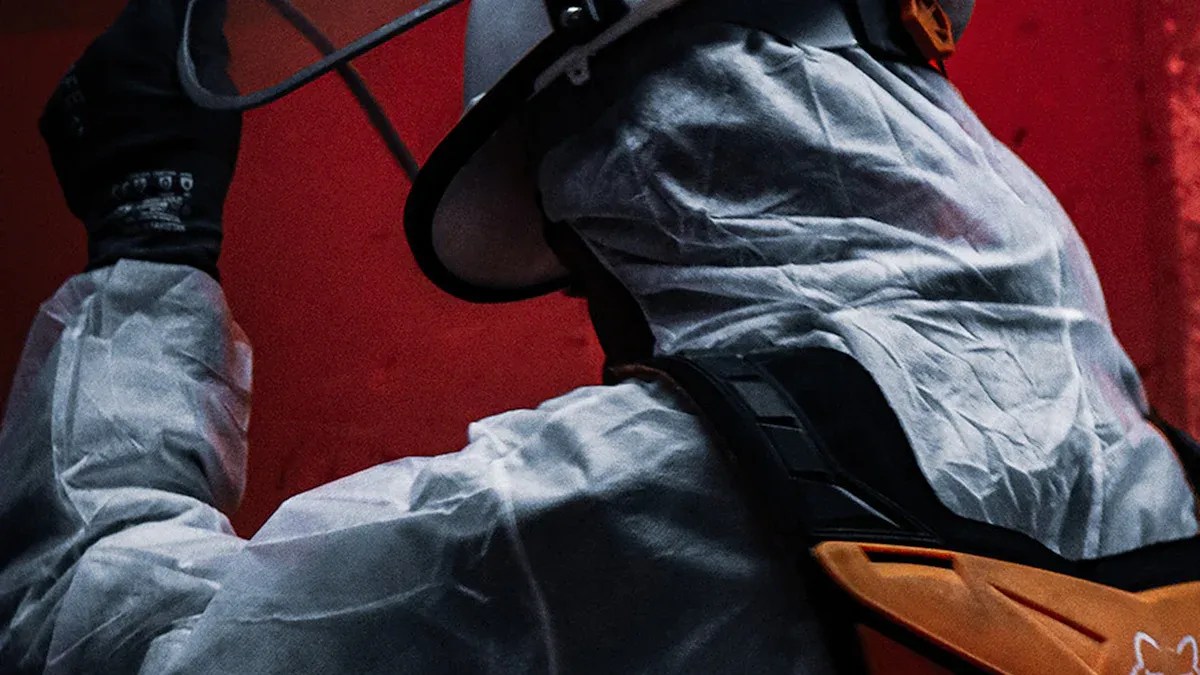
In healthcare, safety is paramount. Understanding how to implement zonal safety using a yellow AAMI Level 4 isolation gown plays a critical role in protecting you from exposure to hazardous substances. These gowns meet strict standards to ensure they provide reliable protection. When you wear an AAMI Level 4 gown, you support safety protocols and help create a safe environment for both patients and staff. Implementing zonal safety measures with these gowns can significantly reduce risks in high-stakes situations.
Key Takeaways
-
Zonal safety is crucial in healthcare. It creates specific areas where safety measures protect patients and staff from hazards.
-
AAMI Level 4 gowns provide high fluid resistance. They are essential for surgeries and isolation units to prevent exposure to blood and bodily fluids.
-
Proper gown usage is vital. Follow best practices for donning and doffing to minimize contamination risks and maintain safety.
-
Training on gown usage enhances safety. Healthcare workers must understand how to use gowns correctly to protect themselves and patients.
-
Compliance with safety standards is necessary. Ensure gowns meet ASTM and AAMI standards to guarantee effective protection in healthcare settings.
Zonal Safety Overview
Importance of Zonal Safety
Zonal safety refers to the practice of creating specific areas in healthcare settings where safety measures are strictly enforced. This approach helps protect both patients and healthcare workers from potential hazards. By implementing zonal safety protocols, you can significantly reduce the risk of exposure to infections and other dangers.
In high-risk environments, such as operating rooms or isolation units, zonal safety plays a crucial role. Here are some key reasons why it is important:
-
Infection Control: Zonal safety measures, like negative airflow systems and air filtration, help prevent the spread of infections. These systems ensure that contaminated air does not circulate into clean areas.
-
Communication: Clear communication among healthcare professionals enhances safety. Zonal safety encourages structured information transfer, which helps everyone stay informed about potential risks.
-
Organizational Culture: A strong safety culture promotes shared beliefs and values. When everyone prioritizes safety, it leads to better incident reporting and proactive measures.
-
Resource Management: Effective management of staffing, technology, and training supports safety protocols. Ensuring that all resources are in place allows for a smoother implementation of zonal safety measures.
Implementing zonal safety can also reduce cross-contamination risks. For example, proper ventilation is essential in hospital wards. It helps lower the chances of airborne pathogens spreading. Additionally, using air cleaners alongside ventilation systems further decreases indoor pathogen concentrations. Research shows that different ventilation strategies can significantly impact reducing cross-contamination risks.
By understanding and applying zonal safety principles, you contribute to a safer healthcare environment. This not only protects patients but also supports healthcare workers in their vital roles.
AAMI Level 4 Gowns Explained

Critical Zones of Protection
AAMI Level 4 gowns offer superior protection in healthcare settings. These gowns are designed to shield you from hazardous substances, making them essential in high-risk environments. Here are some key features and benefits of AAMI Level 4 gowns:
-
High Fluid Resistance: These gowns provide excellent resistance to fluids, ensuring that you stay dry and protected during procedures.
-
Designed for Critical Use: AAMI Level 4 gowns are specifically made for surgeries and infectious wards, where exposure to blood and other fluids is likely.
-
Enhanced Protection Level: They offer a higher level of protection compared to lower-level gowns, making them suitable for fluid-heavy environments.
To illustrate the differences between AAMI Level 4 gowns and lower-level gowns, consider the following table:
|
Feature |
AAMI Level 4 Gowns |
Lower-Level Gowns |
|---|---|---|
|
Fluid Resistance |
High fluid resistance |
Lower fluid resistance |
|
Usage |
Designed for surgeries and infectious wards |
General use, less critical environments |
|
Protection Level |
High protection in fluid-heavy environments |
Moderate protection |
AAMI Level 4 gowns undergo rigorous testing to ensure their effectiveness. The ASTM F1670 and ASTM F1671 standards classify these gowns based on their ability to resist penetration by fluids and pathogens. Here’s how they measure up:
|
Standard |
Measurement Description |
Penetration Resistance |
|---|---|---|
|
ASTM F1670 |
Resistance to synthetic blood penetration |
No penetration at 2 psi |
|
ASTM F1671 |
Resistance to blood-borne pathogens using bacteriophage |
No penetration at 2 psi |
These testing standards confirm that AAMI Level 4 gowns are impermeable to viral penetration. Only gowns that pass ASTM F1671 can be classified as Level 4 garments. Lower-level gowns (1, 2, and 3) do not provide the same level of protection against viruses in blood or bodily fluids.
Advanced Design: Materials and Closures
Achieving true AAMI Level 4 status requires more than standard fabric. These high-performance gowns are typically constructed from a highly durable microporous material combined with securely taped seams. This specific engineering prevents any microscopic bloodborne pathogen or hazardous body fluids from penetrating the garment, ensuring full coverage during intense surgical procedures.
Furthermore, the physical design is optimized for rapid deployment in high-stakes zones. Many top-tier models feature an intuitive over the head design paired with a secure hook and loop closure at the neck. This eliminates the struggle of tying strings behind the back, ensuring that your personal protective equipment stays perfectly in place even during rigorous movement.
How to Implement Zonal Safety Using a Yellow AAMI Level 4 Isolation Gown?

Best Practices for Gown Usage
In advanced healthcare facilities, strict infection control relies on teamwork. Safety officers and experienced charge nurses often supervise the donning and doffing processes to ensure zero cross-contamination. Unlike a basic level 1 gown used for a simple blood draw, or a level 3 gown for moderate fluid exposure, an AAMI Level 4 gown requires a comprehensive PPE ecosystem.
When outfitting your staff in the red zone, the Level 4 isolation gown must be paired with high-filtration respiratory protection, such as a standard medical face mask or a tightly fitted kn95 mask, alongside proper eye protection and double gloves.
To effectively implement zonal safety using a yellow AAMI Level 4 isolation gown, follow these best practices for gown usage. Proper donning and doffing of the gown is essential to maintain safety protocols and minimize contamination risks.
-
Preparation: Before putting on the gown, ensure you have removed any unnecessary layers of clothing. Secure long hair to prevent it from coming into contact with the gown. This preparation helps create a clean environment for gown usage.
-
Donning the Gown:
-
Handle the gown from the inside to avoid touching the contaminated outer surface.
-
Slip your arms into the sleeves and pull the gown over your body.
-
Tie the neck and waist ties securely, ensuring a snug fit without restricting movement.
-
-
Doffing the Gown:
-
Untie or break the waist and neck ties slowly to prevent contamination.
-
Pull the gown away from your body, turning it inside out to trap any germs.
-
Roll the gown into a bundle with the contaminated side inside, minimizing exposure.
-
-
Post-Removal Care:
-
Perform hand hygiene immediately after removing the gown.
-
Remove gloves either with the gown or right after to avoid contamination.
-
Consider using a buddy system to reduce the risk of self-contamination during the process.
-
Following these steps helps ensure that you maintain zonal safety while using AAMI Level 4 gowns.
Proper gown fitting is crucial for effective protection. A well-fitting gown provides adequate coverage and allows for free movement. If the gown is too tight, it may restrict your movement and fail to cover you adequately. Conversely, a gown that is too loose can interfere with your efficiency, increasing the risk of exposure to hazardous substances.
Common errors in gown usage can lead to serious safety issues. For instance, 25% of infection preventionists reported encountering strikethrough of gowns, while 45% experienced tearing. Many professionals lack training to understand gown performance issues. To prevent these errors, consider the following strategies:
|
Common Errors |
Prevention Strategies |
|---|---|
|
Improper tying of ties |
Provide training on proper gown usage |
|
Issues with gown fit |
Improve gown design for better fit and comfort |
|
Inadequate protection due to design |
Ensure awareness of gown’s protective features and limitations |
By adhering to these best practices and understanding the importance of proper gown fitting, you can significantly enhance zonal safety in your healthcare environment.
Training and Compliance
Training healthcare workers on proper gown usage is vital for maintaining safety in healthcare settings. You must understand how to don and doff gowns correctly. This knowledge helps prevent contamination and protects both you and your patients. Effective training programs focus on several key areas:
-
Instruction on donning and doffing techniques
-
Understanding gown features and limitations
Here are some effective training programs that can enhance your skills:
|
Training Program |
Key Features |
|---|---|
|
OSHA Training |
Comprehensive PPE training, hands-on techniques, regular refresher courses |
|
Best Practices for Surgical Gowns |
Training on correct use, donning and doffing, understanding gown features |
|
Tips for PPE Usage |
Step-by-step guidance on safe doffing techniques |
Compliance with regulations is equally important. Hospitals must follow specific legal and accreditation requirements when using AAMI Level 4 gowns. These gowns must meet certain standards to ensure safety and effectiveness. Here are some key compliance requirements:
|
Requirement |
Description |
|---|---|
|
FDA Recognition |
AAMI PB70 is recognized as a consensus standard for classifying surgical and isolation gowns. |
|
Compliance Necessity |
Non-compliant products cannot be legally marketed as protective apparel in the U.S. |
|
Manufacturing Standards |
Surgical gowns must be manufactured in a sterile FDA Certified facility. |
|
Testing Standards |
Gowns must pass AAMI and ASTM Level 3 or 4 test standards to be used in surgical areas. |
By participating in training and adhering to compliance requirements, you contribute to a safer healthcare environment. This commitment not only protects you but also ensures the well-being of your patients.
In summary, adopting yellow AAMI Level 4 gowns is essential for enhancing zonal safety in healthcare settings. These gowns provide superior protection against hazardous substances, significantly reducing healthcare-associated infections (HAIs). For instance, a Michigan hospital network reported a 32% reduction in HAIs after implementing risk-based gown assignments.
To maintain safety, you should prioritize proper training and compliance with gown protocols. Remember these key practices:
-
Understand the risks associated with blood and bodily fluids.
-
Choose gowns based on their barrier performance class.
By implementing these practices, you contribute to a safer environment for both patients and healthcare workers.
|
Evidence Type |
Description |
|---|---|
|
Infection Rate Reduction |
A Michigan hospital network saw a 32% reduction in HAIs after implementing risk-based gown assignments. |
|
ASTM Testing |
Gowns that pass ASTM standards F1670 and F1671 provide comprehensive protection, reducing HAIs by 19%. |
Embrace these practices to ensure the highest level of safety in your healthcare environment.
Sourcing Medical Supplies: Certifications and Procurement
For hospital administrators, evaluating an isolation gown goes beyond clinical features; it requires strict supply chain vetting. When issuing a purchase order for critical medical supplies, you must partner with manufacturers that maintain rigorous international standards.
Look for facilities that hold both ISO 9001 for general quality management and ISO 13485 specifically for medical devices. Additionally, verifying that the products carry the CE marking and comply with safety regulations like California Proposition 65 guarantees that the materials are safe for both the wearer and the environment. By partnering with certified manufacturers, facilities can benefit from a streamlined production line, transparent communication regarding lead time, and reliable after sales service.
FAQ
What is the purpose of yellow AAMI Level 4 gowns?
Yellow AAMI Level 4 gowns provide high-level protection against hazardous substances. They are essential in healthcare settings, especially during surgeries and in isolation units, to prevent exposure to blood and bodily fluids.
How do I know if a gown is AAMI Level 4?
You can check the gown’s labeling for AAMI Level 4 certification. Look for compliance with ASTM F1670 and ASTM F1671 standards, which indicate the gown’s resistance to fluid and pathogen penetration.
Can I reuse AAMI Level 4 gowns?
AAMI Level 4 gowns are typically designed for single-use. Reusing them can compromise their protective qualities. Always follow your facility’s guidelines regarding gown usage and disposal.
How should I store AAMI Level 4 gowns?
Store AAMI Level 4 gowns in a clean, dry area away from direct sunlight. Ensure they remain in their original packaging until use to maintain their integrity and protection level.
What should I do if my gown gets damaged?
If your gown becomes damaged during use, remove it immediately. Replace it with a new gown to maintain your protection. Report the incident to your supervisor to address any potential safety concerns.
Why are ISO 13485 and CE marking important when purchasing isolation gowns?
When issuing a purchase order for medical supplies, checking for ISO 13485 and CE marking ensures the manufacturer adheres to the highest global quality and safety standards. This minimizes supply chain risks, ensures consistent product performance, and guarantees compliance with international healthcare regulations.

Head-to-Toe Zero-Gap Protection
Complete PPE integration for CSSD decontamination workflows


