

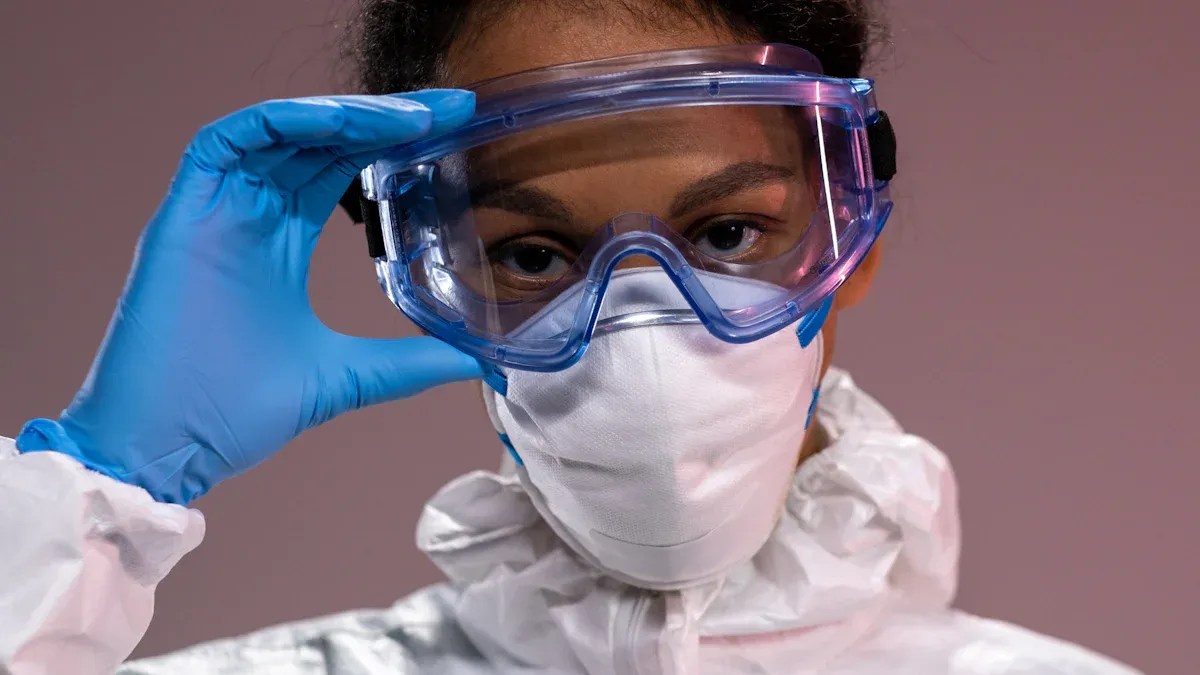
Isolation gowns play a vital role in healthcare settings. They protect healthcare workers and patients from infections. Recent statistics show that the isolation gown market is projected to grow from USD 3.48 billion in 2026 to USD 5.07 billion by 2032. This growth reflects the increasing demand for both disposable and reusable gowns. Studies reveal that proper gown usage can significantly reduce infection rates in hospitals. For example, three out of four studies found that alternatives like short sleeves or cotton gowns provide similar protection to standard gowns. Balancing comfort and safety is essential when selecting gowns, especially when considering options like How to Balance Comfort and Protection with 36 GSM Isolation Gowns?
Key Takeaways
-
Isolation gowns are essential for preventing the spread of infections in healthcare settings. They act as a barrier against pathogens, ensuring patient and worker safety.
-
Choosing the right gown involves considering protection levels, material quality, and comfort. High-quality, fluid-resistant fabrics enhance safety and usability.
-
Proper fit is crucial for isolation gowns. A well-fitting gown maximizes protection and comfort, reducing the risk of exposure to infectious agents.
-
Evaluate the benefits of disposable versus reusable gowns. Disposable gowns offer convenience, while reusable gowns provide sustainability and often exceed safety standards.
-
Stay informed about safety standards and innovations in gown materials. This knowledge helps you make better choices for your safety and comfort in healthcare environments.
Why Isolation Gowns Matter

Role in Infection Control
Isolation gowns play a crucial role in infection control within healthcare settings. They help maintain a sterile environment, which is vital for patient safety. Here are some key reasons why isolation gowns are essential:
-
They prevent the spread of infections by acting as a barrier against pathogens.
-
Gowns are designed for single use, ensuring consistent hygiene and compliance with safety standards.
-
Their lightweight and breathable design enhances usability during procedures.
-
Using isolation gowns contributes to environmental sustainability by reducing water and energy consumption associated with laundering.
Studies show that proper gown usage significantly reduces the risk of cross-contamination. For example, research indicates that wearing the appropriate gown during specific procedures can lower infection rates.
|
Study |
Findings |
|---|---|
|
Slaughter et al |
Found that isolation gowns do not offer added protection against VRE infection over glove use alone in an ICU setting. |
|
Puzniak et al |
Reported that gowns have a protective effect against infections. |
|
Klein et al |
Reported a reduction in nosocomial infections during pediatric intensive care with high-barrier gowns and gloves. |
|
Leclair et al |
Found that compliance with glove and gown use reduced the rate of nosocomial RSV infection among children. |
|
Madge et al |
Indicated that wearing gowns and gloves for all contacts with RSV-infected children significantly reduces the risk of nosocomial RSV infection. |
Impact on Healthcare Workers
Isolation gowns also significantly impact the safety and comfort of healthcare workers. They protect you from infectious diseases by acting as a barrier against blood and body fluids. The effectiveness of these gowns depends on factors like material and design. Proper procedures for putting on and taking off gowns are crucial. The removal process poses a risk of transferring viruses from the gown to your skin.
Comfort is another critical factor. A survey indicated that gown features, such as thermal comfort and fit, significantly influence compliance. If you find the gown uncomfortable, you may be less likely to wear it properly. Addressing comfort issues through better design can enhance your ability to perform effectively.
Types of Isolation Gowns

Disposable vs. Reusable
When selecting isolation gowns, you face a choice between disposable and reusable options. Each type has its benefits. Disposable gowns offer convenience and immediate protection. They are designed for single use, which helps maintain hygiene. However, they may not always meet the highest safety standards.
On the other hand, reusable gowns provide a more sustainable option. They typically exceed AAMI PB70 standards for protection. After laundering, they maintain water resistance and overall strength better than many disposable gowns. Here’s a quick comparison of their features:
|
Feature |
Disposable Gowns |
Reusable Gowns |
|---|---|---|
|
Meets AAMI PB70 Standards |
Some do not meet |
Generally exceed |
|
Water Resistance |
Variable |
Maintained after laundering |
|
Overall Strength |
Lower |
Higher than ASTM requirements |
|
Pilling Resistance |
Lower |
Superior ratings |
|
Colorfastness |
Similar |
Superior ratings |
|
Dimensional Stability |
Variable |
Excellent after 75 ILs |
|
Comfort |
Variable |
Generally better |
Styles and Designs
Isolation gowns come in various styles and designs, each tailored for specific situations. Here are some common types:
-
Standard Isolation Gowns: These are the most common type. They protect healthcare workers from potentially infectious materials.
-
Fluid-Resistant Gowns: Made from lightweight materials like polypropylene and polyester, these gowns resist fluids and provide protection from splashes and sprays.
-
High-Barrier Gowns: Designed for high-risk infection situations, these gowns offer maximum protection and are suitable for surgical environments.
You can find gowns available in three levels of fluid resistance: basic, medium, and high. Basic gowns work well for low-risk scenarios, while higher-level gowns are essential for high-risk situations. Choosing the right style ensures you stay safe while maintaining comfort during your shifts.

Material Matters
Synthetic vs. Cotton
When selecting isolation gowns, the choice of material significantly impacts protection and comfort. Synthetic materials, such as polypropylene and SMS, offer several advantages over cotton. Here’s a quick comparison:
|
Material Type |
Advantages |
Disadvantages |
|---|---|---|
|
Synthetic (e.g., Polypropylene, SMS) |
High fluid resistance, durability, lightweight, breathable, cost-effective for single-use |
May lack comfort compared to natural fibers |
|
Cotton |
Comfortable, breathable, promotes airflow |
Less resistant to liquids, may not provide adequate protection in high-risk situations |
Synthetic gowns excel in fluid resistance, making them ideal for environments where exposure to bodily fluids is a concern. They are lightweight and designed for single use, which enhances hygiene. However, some users find them less comfortable than cotton options. Cotton gowns, while comfortable and breathable, may not provide adequate protection in high-risk situations.
Breathability and Comfort
Breathability is crucial when choosing isolation gowns. It affects your comfort during long shifts. Here are some key points regarding breathability:
-
77.6% of participants perceived reusable surgical gowns as environmentally friendly.
-
39.8% preferred reusable gowns, while 30.7% preferred disposable gowns.
-
User comfort was one of the four identified themes affecting perceptions of reusable gowns.
Breathable fabrics help reduce discomfort during extended wear. They allow moisture to escape, which is essential for infection control and patient safety. Poor breathability can lead to heat stress and fatigue, increasing the risk of errors in high-pressure settings.
|
Evidence Description |
Impact on Healthcare Workers |
|---|---|
|
Essential for infection control and patient safety. |
|
|
Poor breathability leads to heat stress and fatigue. |
Increases risk of errors in high-pressure settings. |
|
Janus textiles enhance moisture management. |
Facilitates vapor evaporation and reduces skin wetness. |
|
Small pore size in gowns impairs vapor permeability. |
Disrupts thermoregulatory homeostasis, increasing heat stress risk. |
|
PPE ensembles during Ebola allowed only 40 minutes of work. |
Increased risk of pathogen transmission due to frequent breaks. |
Choosing gowns with good breathability helps you stay comfortable and focused on your tasks. This balance between comfort and protection is vital, especially when considering options like How to Balance Comfort and Protection with 36 GSM Isolation Gowns?
Sizing and Fit
Importance of Proper Fit
A proper fit is essential for the effectiveness of isolation gowns. When gowns fit correctly, they provide maximum protection against contaminants. Here are some key points to consider:
-
Selecting coveralls in the correct size ensures comfort and full coverage.
-
An improper fit can lead to significant risks. A 2012 survey found that about 25% of infection preventionists reported experiencing strikethrough of gowns. Additionally, 45% encountered tearing, which can expose you to infectious agents. ECRI’s analysis indicates that modern disposable gowns may tear at critical points, increasing contamination risks.
To help you choose the right size, refer to the following recommendations:
|
Aspect |
Recommendation |
|---|---|
|
Proper Sizing |
Select coveralls in the correct size for comfort and full coverage. |
Adjustable Features
Isolation gowns often come with adjustable features that enhance comfort and usability. These features allow you to customize the fit according to your body type. Here are some common adjustable features:
-
Front Waist Ties: These ties provide easy adjustability, allowing you to tailor the fit for various body shapes. This is crucial during delicate procedures or routine tasks.
-
Elastic Cuffs: These cuffs secure the wrists, preventing contaminants from entering. They also allow freedom of movement, which is vital in high-risk environments.
The combination of elastic cuffs and adjustable ties significantly increases wearer satisfaction. They ensure a snug fit, contributing to overall safety and usability. Gowns designed with these features help you maintain comfort while performing your duties effectively.
Choosing isolation gowns that fit well and include adjustable features is essential. This balance between comfort and protection is vital, especially when considering options like How to Balance Comfort and Protection with 36 GSM Isolation Gowns?
Protection Levels and Standards
Understanding Safety Standards
When selecting isolation gowns, understanding safety standards is crucial. Regulatory agencies like the FDA and CDC define different protection levels for isolation gowns. These levels indicate the gown’s ability to protect against various risks. Here’s a breakdown of the protection levels:
|
Protection Level |
Description |
Risk Level |
|---|---|---|
|
AAMI Level 1 |
Very Low Risk for Water Penetration |
Minimal exposure to bodily fluids |
|
AAMI Level 2 |
Low Risk for Water Penetration |
Slightly more water repellent than Level 1 |
|
AAMI Level 3 |
Medium Risk for Fluid Penetration |
Protects against bodily fluids with special fabrics |
|
AAMI Level 4 |
Medium Risk for Fluid and Viral Penetration |
Used for high-risk situations, hermetically sealed |
These levels help you choose the right gown based on your specific needs. For example, if you work in a high-risk environment, you should opt for AAMI Level 4 gowns. They provide the highest level of protection against fluid and viral penetration.
How to Balance Comfort and Protection with 36 GSM Isolation Gowns?
Balancing comfort and protection is essential when selecting isolation gowns. The 36 GSM isolation gowns offer a unique combination of both. The SMS fabric used in these gowns provides excellent fluid resistance and bacterial filtration efficiency. Studies show that SMS gowns reduce contamination risk by 68% compared to standard polypropylene gowns. This makes them a preferred choice for medical applications.
Here’s a comparison of the material properties of different isolation gowns:
|
Material |
Weight (gsm) |
Hydrostatic Pressure (cm H2O) |
|---|---|---|
|
SMS |
36 |
79.4 |
|
Spunbond Polypropylene |
40 |
12.4 |
|
SMS |
17 |
19.2 |
|
Spunbond Polypropylene |
17 |
3.0 |
The 36 GSM gowns not only provide high fluid resistance but also maintain comfort during extended wear. Their lightweight design allows for better mobility, which is crucial in fast-paced healthcare environments.

When choosing gowns, consider both the protection level and the comfort features. Look for gowns that fit well and have adjustable features. This ensures that you can perform your duties effectively while minimizing the risk of exposure to infectious agents.
Selecting the right isolation gown is crucial for your safety and comfort in healthcare settings. Consider these key factors:
-
Level of Protection: Assess the gown’s barrier properties against infectious agents.
-
Material Quality: Choose high-quality, fluid-resistant, and breathable fabrics.
-
Comfort and Fit: Ensure a proper fit with adjustable closures for ease of movement.
-
Disposable vs. Reusable: Weigh the convenience of disposables against the cost-effectiveness of reusables.
-
Compliance with Standards: Verify that gowns meet safety standards set by organizations like the FDA.
By making informed choices, you can enhance your protection and comfort while performing your duties. Stay updated on innovations in gown materials and designs to ensure you have the best options available.
Remember, your safety and comfort are paramount in delivering quality care!
FAQ
What is the primary purpose of isolation gowns?
Isolation gowns protect you from infectious agents. They act as a barrier against pathogens, preventing the spread of infections in healthcare settings.
How do I choose between disposable and reusable gowns?
Consider your needs. Disposable gowns offer convenience and hygiene for single use. Reusable gowns provide sustainability and often exceed safety standards after laundering.
What should I look for in gown materials?
Choose gowns made from high-quality, fluid-resistant materials. Synthetic options like polypropylene offer better protection, while cotton provides comfort. Balance both for optimal use.
How important is the fit of an isolation gown?
A proper fit is crucial. It ensures maximum protection and comfort. Ill-fitting gowns can lead to exposure to contaminants and discomfort during use.
Are there specific standards for isolation gowns?
Yes, gowns must meet safety standards set by organizations like the FDA and CDC. These standards indicate the level of protection against various risks.

Head-to-Toe Zero-Gap Protection
Complete PPE integration for CSSD decontamination workflows


