


Identifying pressure points in surgical gowns is vital for improving trauma care, especially when considering where the highest-risk trauma gown pressure points are during intensive surgical leaning. Pressure injuries can create discomfort and limit mobility for patients. In surgical settings, you must prioritize infection control. Neglecting these pressure points can lead to severe complications. For instance, treating pressure ulcers can cost healthcare facilities between $5,000 and $60,000 per incident. The financial burden increases further with longer hospital stays, averaging an additional $12,000. Ensuring your surgical gowns minimize these high-risk pressure points is essential for achieving better patient outcomes.
Key Takeaways
Identify pressure points in surgical gowns to prevent discomfort and injuries for patients during trauma care.
Use visual assessments and tools like the Braden Scale to effectively monitor and assess pressure injury risks.
Focus on high-risk areas such as the head, neck, and thighs to minimize pressure-related injuries during surgeries.
Implement design improvements like breathable materials and ergonomic features to enhance patient comfort and safety.
Regularly evaluate surgical gowns and patient positioning to ensure optimal care and reduce the risk of pressure injuries.
Understanding Pressure Points
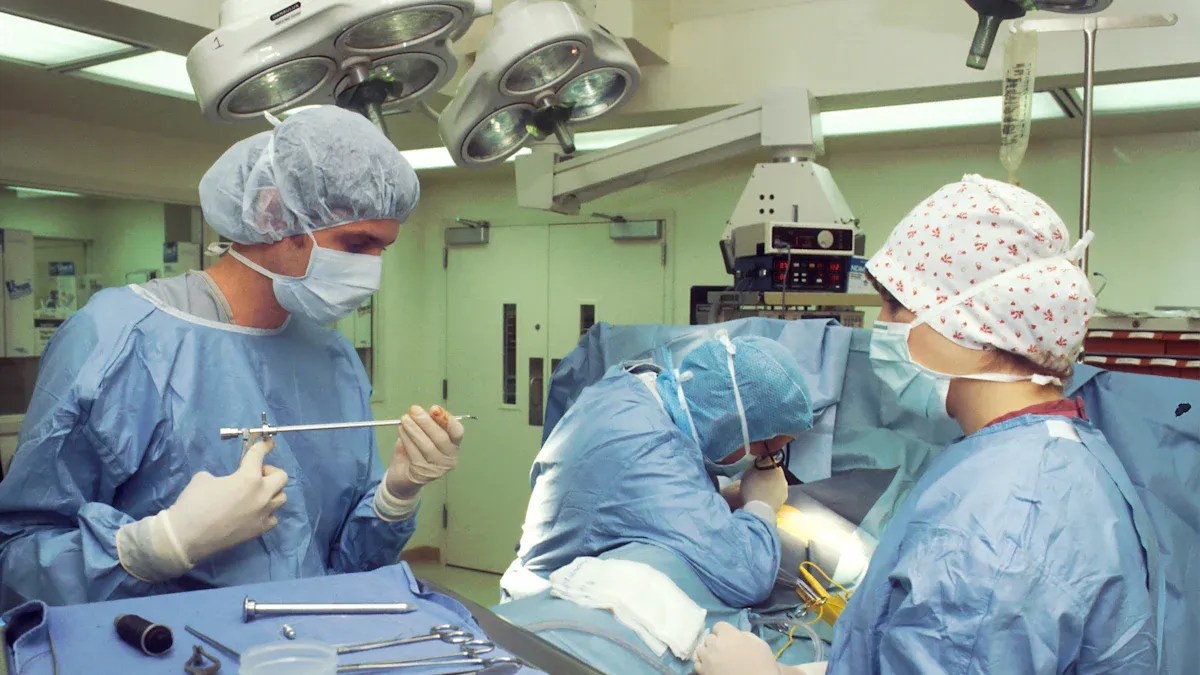
Definition and Importance
Pressure points refer to specific areas on the body where prolonged pressure can lead to tissue damage. In surgical gowns, these points are crucial to identify. You must recognize that pressure injuries can develop quickly, especially during long surgical procedures. These injuries can cause significant discomfort and pain for patients.
Understanding pressure points is vital for both healthcare workers and patients during trauma procedures. Here are some reasons why:
Pressure injuries are a major concern in healthcare, especially during trauma procedures due to immobility and medical device use.
They can cause significant physical discomfort and pain, affecting patients’ quality of life and recovery times.
The presence of pressure injuries increases the risk of infections, leading to severe complications and higher morbidity and mortality rates.
Financially, pressure injuries impose a burden on healthcare systems, resulting in increased treatment costs and prolonged hospital stays.
By identifying pressure points in surgical gowns, you can help reduce the risk of these injuries and improve patient outcomes.
Pressure Injury Classification
Pressure injuries fall into several categories based on their severity. Understanding these classifications helps you assess the risk and take appropriate action. The National Pressure Injury Advisory Panel (NPIAP) classifies pressure injuries into the following stages:
Stage 1: Non-blanchable erythema of intact skin. The area may appear red and does not turn white when pressed.
Stage 2: Partial-thickness skin loss. This stage involves the epidermis and may present as a blister or shallow ulcer.
Stage 3: Full-thickness skin loss. This stage extends through the dermis and may involve subcutaneous tissue.
Stage 4: Full-thickness tissue loss. This stage includes extensive damage to muscle, bone, or supporting structures.
Unstageable: Full-thickness tissue loss where the base of the ulcer is covered by slough or eschar.
Recognizing these classifications allows you to monitor patients effectively and implement preventive measures. You can also assess where are the highest-risk trauma gown pressure points during intensive surgical leaning. This knowledge is essential for ensuring patient safety and comfort.
Key Areas to Assess

Common Pressure Points
When assessing surgical gowns, you should focus on specific anatomical regions that commonly experience pressure points. These areas are crucial for preventing pressure injuries. The following table outlines the most affected regions:
Anatomical Region | Description |
|---|---|
Chest | Most common area for pressure points |
Forearm | High exposure and pressure |
Abdomen | Vulnerable to blood strikethrough |
Cuff | Noted as a pressure point |
Thigh | Commonly affected |
Lower Sleeves | Also impacted by pressure |
Recognizing these common pressure points helps you understand where to focus your attention during surgical procedures.
Where Are the Highest-Risk Trauma Gown Pressure Points?
In addition to common pressure points, certain areas of trauma gowns are identified as having the highest risk for pressure-related injuries. You should pay special attention to the following sites:
Head
Face
Neck
Anterior superior spine
Areas lacking adipose tissue
Auricle (most common site)
Cuff attachment point on the upper arm
Thigh
Bone protuberances of the chest
Buttocks
Sacrum
Heel
These areas are particularly vulnerable during intensive surgical leaning. By being aware of where the highest-risk trauma gown pressure points are, you can take proactive measures to minimize the risk of pressure injuries.
Understanding these key areas allows you to enhance patient comfort and safety during surgical procedures.
Methods for Identification
Visual Assessment Techniques
Visual assessment techniques play a crucial role in identifying pressure points in surgical gowns. You can use these techniques to observe the skin for signs of pressure injuries. However, be aware of their limitations. For instance, visual assessments may not effectively detect early signs of pressure injuries, especially in individuals with darker skin tones.
Visual assessments often rely on the naked eye, which can overlook subtle changes in skin condition.
Subepidermal moisture measures can enhance detection of early tissue damage that visual assessments may miss.
Current standard assessments involve both visual and tactile measures, but clinicians are exploring additional methods for early detection of pressure injuries.
To improve your assessment, consider using advanced tools that visualize potential damage beneath the skin. These devices can provide insights that are not visible to the naked eye, allowing you to take proactive measures in trauma care.
Using the Braden Scale
The Braden Scale is a widely used tool for assessing pressure injury risk. It evaluates several factors, including sensory perception, moisture, activity, mobility, nutrition, and friction/shear. While it can help identify patients at risk, it has some limitations that you should consider.
Limitation | Explanation |
|---|---|
This oversight can lead to an automatic high-risk status that is not reflected in the scale’s scoring. | |
Low predictive validity | Particularly noted for older long-term care residents, indicating that the scale may not accurately predict risk in this demographic. |
Lack of interpretive guidance | A score of 1 in the first five subscales indicates high risk, but without context, nurses may misinterpret the risk level. |
Despite these limitations, the Braden Scale remains a valuable tool. You can use it to assess where are the highest-risk trauma gown pressure points during intensive surgical leaning. By combining the Braden Scale with visual assessments, you can create a more comprehensive approach to identifying pressure points in surgical gowns.
Mitigation Strategies
Design Improvements
To reduce pressure points in surgical gowns, consider implementing specific design features. These improvements can enhance comfort and mobility for patients. Here are some effective design features:
Design Feature | Benefit |
|---|---|
Ergonomic design | Enhances comfort and mobility |
Adjustable closures | Allows for a secure fit |
Reinforced seams | Increases durability and comfort |
Breathable materials | Reduces fatigue during prolonged use |
Using breathable materials can significantly lower the risk of pressure injuries. These materials help maintain skin integrity by allowing moisture to escape. Additionally, ergonomic designs can improve the overall fit of the gown, reducing friction against the skin.
Best Practices for Patient Positioning
Proper patient positioning is crucial in minimizing pressure points during trauma care. Here are some best practices to follow:
Best Practice | Description |
|---|---|
Adequate Personnel | Ensure enough staff is present to assist with positioning safely. |
Patient Dignity | Maintain privacy and dignity during positioning. |
Physiological Alignment | Keep the patient’s body in natural alignment to prevent pressure points. |
Equipment Safety | Ensure no contact with metal parts of the surgical table. |
Regular Position Checks | Reassess the patient’s position at intervals to avoid pressure injuries. |
In addition to these practices, consider using lateral transfer devices to support patients during transfers. Planning and evaluating positioning risks beforehand can also help. Communicate the presence of critical devices and secure them during positioning to prevent injuries.
By focusing on design improvements and best practices for patient positioning, you can significantly reduce the risk of pressure injuries in surgical gowns. This proactive approach enhances patient comfort and safety during trauma care.
Identifying pressure points in surgical gowns plays a critical role in trauma care. You can significantly enhance patient comfort and safety by recognizing these areas. Continuous evaluation and improvement in gown design are essential.
Tip: Regularly assess your surgical gowns for pressure points. Implement design changes based on feedback from healthcare professionals. This proactive approach leads to better outcomes for patients and reduces the risk of pressure injuries.
Embrace innovation in gown design to ensure optimal care for trauma patients.
FAQ
What are pressure points in surgical gowns?
Pressure points are specific areas on the body where prolonged pressure can cause tissue damage. In surgical gowns, these points are critical to identify to prevent pressure injuries during procedures.
How can I assess pressure points in surgical gowns?
You can assess pressure points through visual inspection and tools like the Braden Scale. Regularly check for signs of skin irritation or discomfort in high-risk areas.
What materials are best for reducing pressure points?
Breathable and ergonomic materials work best for reducing pressure points. These materials enhance comfort and allow moisture to escape, helping maintain skin integrity.
How often should I evaluate surgical gowns for pressure points?
You should evaluate surgical gowns regularly, especially after each use. Continuous assessment helps identify any design flaws or wear that may contribute to pressure injuries.
What are some best practices for patient positioning?
Ensure adequate staff support, maintain patient dignity, and keep the body in natural alignment. Regularly check the patient’s position to prevent pressure injuries during surgical procedures.


