


Timely deployment of MTP trauma PPE during massive transfusions plays a critical role in enhancing patient safety and protecting healthcare workers. You must recognize the urgency of this situation. When you respond quickly and effectively, you can significantly reduce the risk of complications. The right protective equipment safeguards your team while ensuring patients receive the care they need. Understanding when your team should deploy MTP trauma PPE during a massive transfusion protocol is essential for optimal outcomes.
Key Takeaways
Deploy MTP trauma PPE immediately when a patient shows signs of massive hemorrhage or unstable vital signs. Quick action protects both patients and healthcare workers.
Regular training, including simulation-based exercises and interprofessional drills, enhances team readiness for MTP events. Continuous education keeps skills sharp.
Assess the patient’s condition by monitoring vital signs and estimating blood loss. These evaluations guide timely PPE deployment and improve patient outcomes.
Establish clear communication protocols within the team. Define roles, use standardized language, and conduct briefings to minimize errors during critical situations.
Conduct environmental assessments to identify safety hazards and ensure resource availability. This preparation optimizes team response during massive transfusions.
When Should Your Team Deploy MTP Trauma PPE?

Key Indicators for Deployment
Recognizing the right moment to deploy MTP trauma PPE is crucial for effective patient care. Several key indicators can guide your decision-making process:
Massive Hemorrhage: If a patient exhibits signs of massive hemorrhage, such as significant blood loss or unstable vital signs, you must act quickly. This situation often requires immediate MTP trauma PPE deployment to protect both the patient and the healthcare team.
Trauma Mechanism: Consider the mechanism of injury. High-impact traumas, such as those from vehicle accidents or gunshot wounds, often lead to severe blood loss. In these cases, deploying PPE becomes essential to safeguard your team while they manage the patient’s needs.
Patient Response: Monitor the patient’s response to initial treatments. If the patient shows signs of shock or continues to bleed despite interventions, it signals the need for rapid deployment of MTP trauma PPE.
Tip: Always assess the environment and available resources before deployment. Ensure that your team has access to the necessary equipment and that the area is safe for intervention.
Patient Condition Assessment
Assessing the patient’s condition is vital in determining when to deploy MTP trauma PPE. Here are some critical factors to evaluate:
Vital Signs: Keep a close eye on the patient’s vital signs. A drop in blood pressure or an increase in heart rate can indicate significant blood loss. These changes necessitate immediate action.
Level of Consciousness: Evaluate the patient’s level of consciousness. If they become disoriented or unresponsive, it may indicate a critical state requiring urgent intervention.
Blood Loss Estimation: Estimate the volume of blood loss. If the patient has lost more than 40% of their blood volume, you should prepare for MTP trauma PPE deployment.
Laboratory Results: Review lab results, particularly hemoglobin and hematocrit levels. Low levels can indicate the need for a massive transfusion, prompting the use of PPE.
In addition to these assessments, consider the challenges your team may face during MTP trauma PPE deployment. For instance, maintaining a low-titer O positive whole blood inventory can be difficult due to shortages and low utilization rates. Strategies like extending shelf life and expanding the donor pool can help mitigate these challenges. Furthermore, during mass casualty incidents, a small number of patients may consume a significant portion of the blood supply, highlighting the importance of effective resource planning.
By understanding these indicators and conducting thorough assessments, you can ensure timely and effective deployment of MTP trauma PPE during a massive transfusion protocol.
Team Readiness for MTP
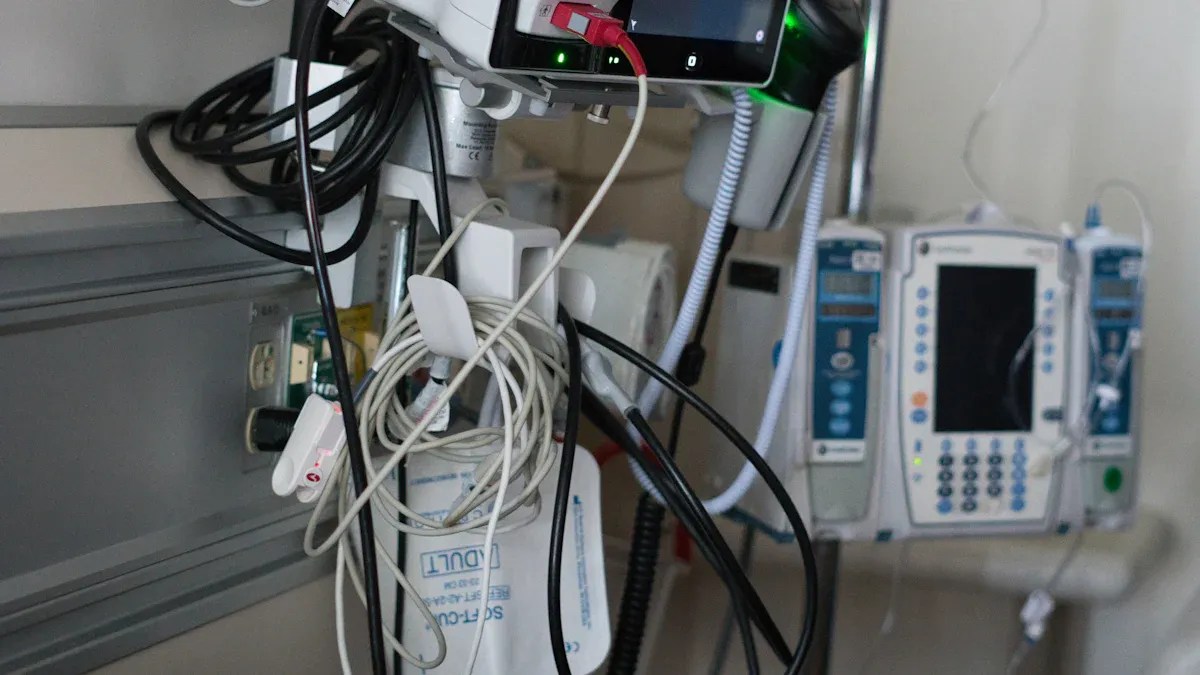
Training Requirements
Effective deployment of MTP trauma PPE hinges on your team’s readiness. Training plays a pivotal role in ensuring that all team members are prepared for the challenges of massive transfusions. Here are key components of training that you should prioritize:
Simulation-Based Training: Engaging in simulation-based training enhances your team’s ability to respond effectively during MTP events. This type of training allows you to practice in realistic scenarios, improving both individual skills and team coordination.
Interprofessional Drills: Conducting interprofessional drills fosters collaboration among various healthcare professionals. These drills improve adherence to the Massive Hemorrhage Protocol (MHP) and enhance teamwork skills, which are crucial for timely and efficient trauma PPE deployment.
Regular Refresher Courses: Schedule regular refresher courses to keep your team updated on the latest protocols and equipment. Continuous education ensures that everyone remains proficient and confident in their roles.
Tip: Incorporate feedback from training sessions to identify areas for improvement. This practice helps refine your team’s skills and enhances overall readiness.
Equipment Familiarity
Familiarity with equipment is essential for effective MTP trauma PPE deployment. Understanding how to use the equipment can significantly impact patient outcomes. However, several barriers may hinder this familiarity:
Barrier Type | Description |
|---|---|
Low fidelity/lack of realism | Simulation lacks realistic scenarios, affecting familiarity with equipment. |
Inadequate logistics | Poor planning can hinder effective training sessions. |
Insufficient time | Limited time for training reduces opportunities for practice. |
Financial consequences | Costs associated with training can deter participation. |
Intimidating environment | Stressful settings may discourage team members from engaging fully. |
Fear of judgment/critique | Concerns about being evaluated can inhibit learning and practice. |
To overcome these barriers, consider implementing structured training programs that focus on hands-on practice with the equipment. This approach can help your team gain confidence and competence in using MTP trauma PPE effectively.
Note: Simulation training has shown significant improvements in teamwork and clinical skills. For instance, a study revealed that simulation training enhances communication, procedural skills, and operational readiness for mass casualty events.
By prioritizing training and addressing barriers to equipment familiarity, you can ensure that your team is well-prepared for MTP trauma PPE deployment. This readiness is vital for improving patient outcomes during massive transfusions.
Situational Awareness in MTP
Environmental Assessment
Assessing the environment during a massive transfusion protocol (MTP) is crucial for effective patient care. You must evaluate several factors to ensure a safe and efficient response:
Safety Hazards: Identify any potential hazards in the area. Look for obstacles that could impede access to the patient or equipment. Ensure that the environment is free from distractions and risks.
Resource Availability: Check the availability of necessary resources, such as blood products, PPE, and medical supplies. Ensure that your team has immediate access to these items to avoid delays.
Team Positioning: Position your team strategically to optimize workflow. Ensure that each member knows their role and can respond quickly to the patient’s needs.
Tip: Conduct regular environmental assessments during training sessions. This practice helps your team become familiar with potential challenges and improves overall situational awareness.
Patient Needs Evaluation
Evaluating patient needs is essential for timely and effective MTP trauma PPE deployment. Consider the following factors:
Medical History: Review the patient’s medical history to assess bleeding risk. Current medications and specific questionnaires can enhance your assessment accuracy.
Clinical Presentation: Observe the patient’s clinical presentation for signs of hemostatic abnormalities. This evaluation should guide the initiation of hemostatic therapy.
Vital Signs Monitoring: Continuously monitor vital signs to detect any changes. Rapid fluctuations may indicate worsening conditions that require immediate intervention.
Communication with the Patient: If possible, communicate with the patient to understand their symptoms and concerns. This interaction can provide valuable insights into their condition.
By maintaining situational awareness through environmental assessments and patient needs evaluations, you can ensure that your team is prepared to deploy MTP trauma PPE effectively. This readiness is vital for improving patient outcomes during massive transfusions.
Communication Protocols During MTP
Team Coordination
Effective communication is vital for successful team coordination during massive transfusions. You must ensure that all team members understand their roles and responsibilities. Clear communication reduces the risk of errors and enhances patient safety. Here are some key protocols to follow:
Establish Roles: Clearly define each team member’s role before an MTP event. This clarity helps prevent confusion during critical moments.
Use Standardized Language: Adopt standardized terminology to minimize misunderstandings. This practice ensures everyone interprets instructions consistently.
Regular Briefings: Conduct briefings before and after MTP events. These meetings allow team members to discuss strategies and review outcomes.
Tip: Regularly practice communication protocols during training sessions. This practice helps reinforce the importance of clear communication in high-pressure situations.
Rapid Blood Bank Communication
Rapid communication with the blood bank is essential during MTP events. You must notify key personnel promptly to ensure timely access to blood products. Involving transfusion specialists and laboratory directors can significantly improve coordination. Here are some recommended practices:
Immediate Notification: Inform the blood bank as soon as massive bleeding is identified. This action triggers a rapid response and prepares the team for blood product delivery.
Designated Contacts: Assign specific team members to communicate with the blood bank. This approach streamlines communication and reduces the likelihood of errors.
Continuous Updates: Provide ongoing updates to the blood bank regarding the patient’s status and blood product needs. This information helps them prioritize and allocate resources effectively.
Evidence | |
|---|---|
Poor Quality Communication | Associated with an increased risk of medical error, leading to serious patient consequences. |
Lack of Clear Identification | Improved identification of team members correlates with reduced medical errors. |
Ambiguity About Responsibilities | Found in 73% of cases resulting in patient harm, indicating a significant risk factor. |
Communication Gaps During Resuscitation | Linked to diagnostic errors, complications, and longer hospital stays. |
By implementing these communication protocols, you can enhance team coordination and ensure rapid blood bank communication during MTP events. This proactive approach is crucial for improving patient outcomes and minimizing risks.
Effective deployment of MTP trauma PPE is crucial for enhancing patient outcomes during massive transfusions. By implementing structured protocols, you can achieve significant improvements in various areas:
Improvement Area | Evidence Summary |
|---|---|
Early Hemorrhage Control | Balanced transfusion strategies (1:1:1 ratios) significantly improve early hemorrhage control. |
Whole Blood Transfusions | Demonstrated survival benefits and logistical simplicity, leading to fewer transfusions needed. |
Military Influence | Military practices show survival improvements with early and aggressive blood product use. |
Individualized Treatment | Viscoelastic tests allow for real-time clot assessment, tailoring treatment to patient needs. |
Ongoing Research | Continued studies aim to refine protocols and optimize implementation speed for better outcomes. |
Additionally, effective PPE deployment reduces the risk of occupational exposure for healthcare workers. Ensuring the availability of PPE and training minimizes exposure to bloodborne pathogens, safeguarding your team during critical interventions.
Incorporating post-event debriefings fosters continuous improvement in MTP trauma PPE deployment. These sessions provide psychological support, facilitate team reflection, and help document experiences for future learning. By prioritizing these practices, you can enhance both patient safety and team performance.
FAQ
What is MTP trauma PPE?
MTP trauma PPE refers to personal protective equipment used during massive transfusion protocols. It protects healthcare workers from exposure to blood and bodily fluids while ensuring patient safety during critical interventions.
When should I initiate MTP trauma PPE deployment?
You should deploy MTP trauma PPE when a patient exhibits signs of massive hemorrhage, experiences high-impact trauma, or shows unstable vital signs. Quick action is essential for patient and team safety.
How can I improve my team’s readiness for MTP?
Enhance your team’s readiness through simulation-based training, interprofessional drills, and regular refresher courses. Familiarity with equipment and clear communication protocols also play a crucial role in effective MTP deployment.
What are the key components of effective communication during MTP?
Effective communication involves establishing clear roles, using standardized language, and conducting regular briefings. Rapid notification to the blood bank and continuous updates on patient status are also vital for successful coordination.
How does MTP trauma PPE benefit healthcare workers?
MTP trauma PPE minimizes the risk of occupational exposure to bloodborne pathogens. It ensures healthcare workers remain safe while providing critical care during massive transfusions, ultimately enhancing team confidence and performance.


