

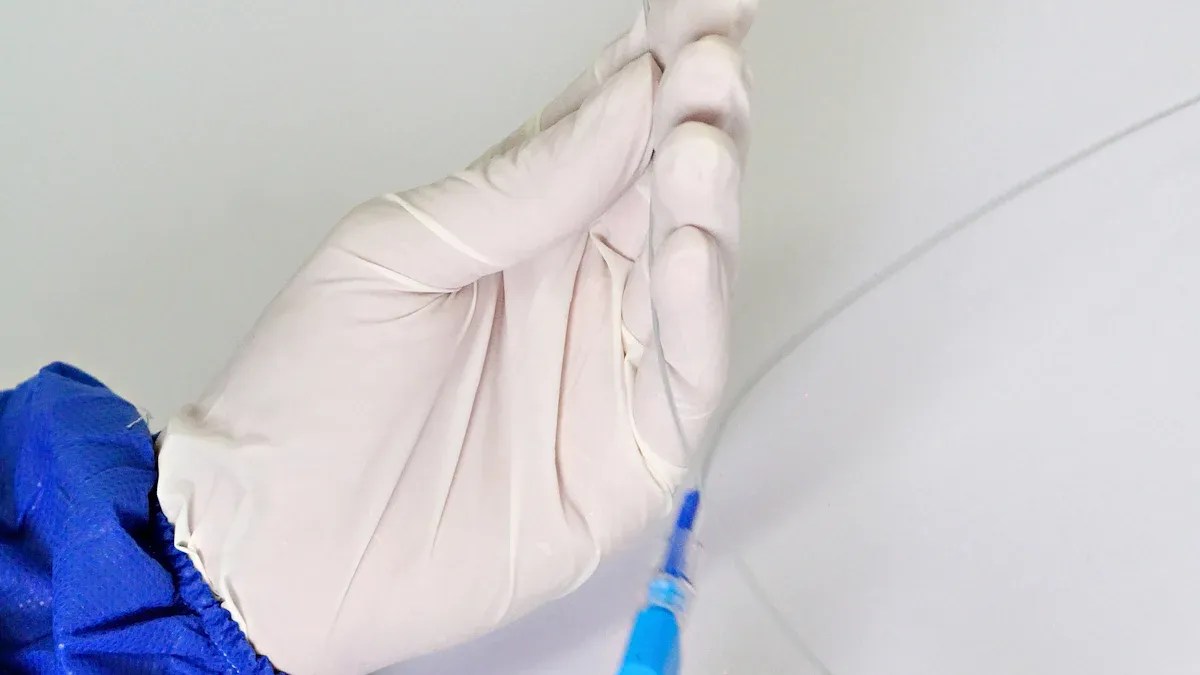
Personal protective equipment (PPE) plays a vital role in treating HIV and HCV. As a healthcare provider, you must understand the risks associated with exposure to bloodborne pathogens. Each year, around 3 million healthcare workers face exposure to these pathogens globally. This highlights the critical need for strict adherence to PPE protocols. When treating HIV/HCV, what is the exact protocol for deploying PPE for bloodborne pathogens? Proper usage significantly reduces transmission rates of HIV and HCV. For instance, consistent glove use and hand hygiene can prevent cross-transmission effectively. Your commitment to following these protocols not only protects you but also safeguards your patients’ health.
Key Takeaways
Always wear gloves, gowns, and masks when treating patients with HIV or HCV to minimize exposure to blood and body fluids.
Follow strict hand hygiene practices before and after patient contact to prevent infection spread.
Use double or triple gloves for added protection against perforations and ensure safety during procedures.
Properly don and doff PPE to avoid contamination; always perform hand hygiene after removing protective gear.
Dispose of PPE in designated biohazard containers to prevent environmental contamination and protect public health.
PPE Types
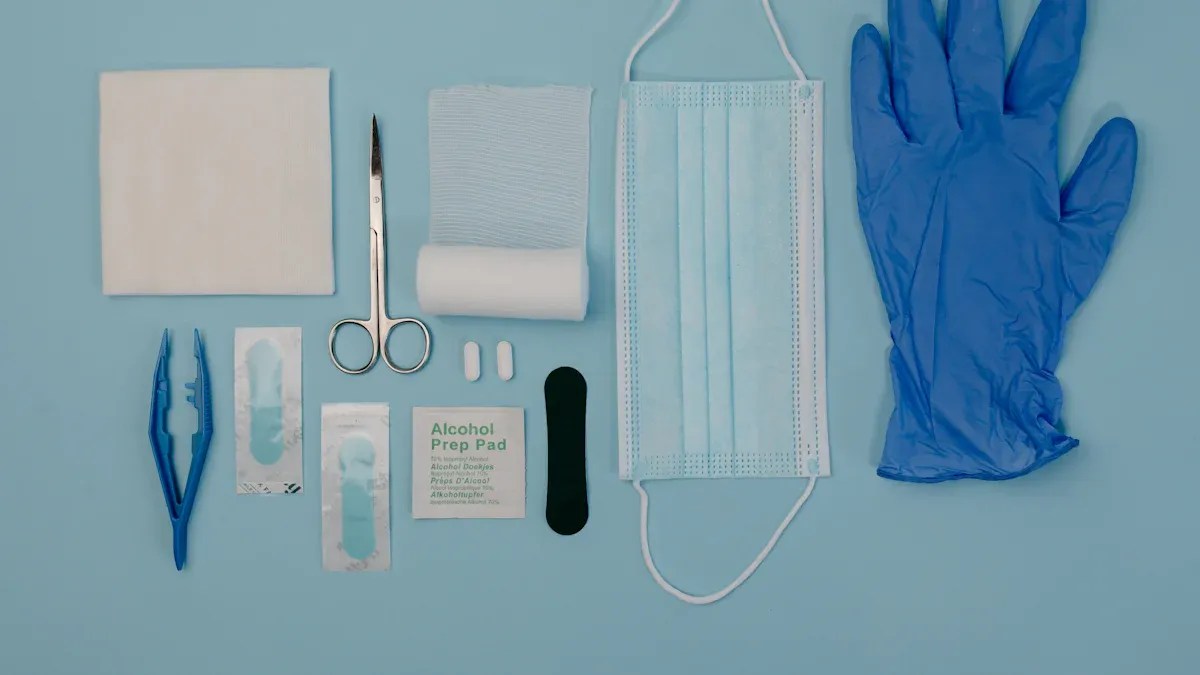
When treating patients with HIV and HCV, you must use various types of personal protective equipment (PPE) to ensure safety. Each type serves a specific purpose in protecting you from exposure to bloodborne pathogens.
Gloves
Gloves are your first line of defense against blood and body fluids. You should always wear gloves when interacting with patients or handling potentially contaminated materials. Consider using double gloves, as studies show they significantly reduce the risk of glove perforation. In fact, double gloves can lower the risk of perforation in the inner glove by 71% and reduce blood stains on the skin by 65%. If you want even more protection, triple special gloves made from materials like Kevlar and spectra polyethylene fiber can reduce perforations by 76% compared to standard double gloves. Remember, wearing one fabric glove over a normal glove can also help reduce perforations.
Gowns
Gowns provide essential coverage to protect your skin and clothing from exposure to blood and other fluids. Here’s a quick overview of gown types and their effectiveness:
Type of PPE | Description |
|---|---|
Facial protection | Masks or face shields |
Eye protection | Goggles or glasses with side protection |
Gloves | Standard protective gloves |
Gowns and other protective clothing | Essential for preventing exposure to bloodborne pathogens |
You should always wear gowns during procedures that may involve splashes or spills. This will help keep you safe from potential exposure.
Masks
Masks are crucial for protecting your respiratory system from airborne pathogens and fluid splashes. Here are some effective types of masks you should consider:
Type of Mask | Features | Purpose |
|---|---|---|
Surgical Mask | Snug fit, covers nose and mouth | Prevents fluid penetration |
Masks with flexible nose piece | Secured with ties or elastic | Enhances fit and protection |
Masks with eye protection (goggles or face shields) | Accompanied by eye protection | Protects against splashes and droplets |
Using masks with eye protection is particularly important during procedures that may generate splashes.
Eye Protection
Eye protection is vital when treating patients with HIV or HCV. You must protect your eyes from potential splashes of blood or body fluids. A notable incident involved a nurse who was exposed to HCV-positive blood through a splash into her eyes. She later developed symptoms and tested positive for HCV after six months. This case underscores the importance of using eye protection to prevent transmission through mucous membranes. Always wear goggles or face shields when there is a risk of exposure.
By understanding the types of PPE and their specific roles, you can better protect yourself and your patients during treatment.
Protocol for Deploying PPE for Bloodborne Pathogens

Using personal protective equipment (PPE) is crucial to prevent exposure to blood and body fluids when treating patients with HIV and HCV. Proper PPE use significantly reduces the risk of infection for healthcare workers. You must follow established protocols to ensure your safety and the safety of your patients.
Importance of Standard Precautions
Standard precautions are essential in healthcare settings. They help you manage the risk of exposure to bloodborne pathogens. Here are key components of standard precautions you should always follow:
Ensure policies and procedures for preventing bloodborne pathogen infections are in place.
Review existing policies regularly to manage exposure circumstances.
Form cooperative work groups to improve surgical techniques and reduce blood exposure risks.
Adhere strictly to standard precautions to prevent transmission.
Provide appropriate training in infection prevention and control techniques for all healthcare providers.
Maintain a safe work environment with adequate protective equipment.
Hand Hygiene Practices
Good hand hygiene is a critical part of using PPE effectively. Follow these recommendations to ensure proper hand hygiene:
Recommendation | Description |
|---|---|
Hand hygiene before patient contact | Perform hand hygiene immediately before touching a patient. |
Hand hygiene after patient contact | Clean hands after touching a patient or their environment. |
Hand hygiene after glove removal | Always perform hand hygiene after removing gloves. |
Hand hygiene in clinical situations | Use alcohol-based products or soap and water as appropriate. |
Regular training on bloodborne pathogens is essential. You should receive training at your initial assignment and at least annually. Additional training is necessary when new tasks or procedures are introduced. This training will help you understand the importance of PPE and how to use it correctly.
In case of exposure, implement protection protocols immediately. Ensure care for the affected worker and document the incident. Provide a post-exposure visit with a healthcare provider to assess any potential risks.
By following these protocols, you can significantly reduce the risk of HIV and HCV transmission in your healthcare setting.
When to Use PPE
Patient Interaction
You must use PPE during any interaction with patients diagnosed with HIV or HCV. This includes routine examinations, administering medications, or performing any procedures. Always wear gloves, gowns, and masks to minimize exposure to blood and body fluids. Hand hygiene is crucial; washing your hands with soap and water is the most effective way to prevent infection spread.
Tip: Implement safe injection practices by using sterile needles and syringes to avoid needlestick injuries.
Procedures Requiring PPE
Certain procedures require strict adherence to PPE protocols. For example, during blood draws, surgeries, or any procedure that may involve splashes, you must wear appropriate PPE. The following practices are essential:
Always use gloves, goggles, and other barriers when anticipating contact with blood or body fluids.
Wash hands and other skin surfaces immediately after contact with blood or body fluids.
Handle and dispose of sharp instruments carefully during and after use.
In a strong safety climate, nurses use PPE two to three times more than those in a weak climate. This highlights the importance of PPE in reducing the risk of HIV and HCV infection from blood exposure.
Anticipating Exposure
You should always anticipate potential exposure to blood or body fluids. This proactive approach helps you stay prepared. Here are some guidelines to follow:
Use gloves, goggles, and other barriers when anticipating contact with blood or body fluids.
Dispose of used syringes or other sharp instruments in a sharps container.
Employ safer drug injection techniques, such as not sharing injection equipment.
If you experience an exposure incident, wash the site with soap and water. Report the incident to your supervisor and seek medical evaluation immediately. After exposure, medical evaluation is crucial for assessment and treatment.
By understanding when to use PPE, you can significantly reduce the risk of HIV and HCV transmission in your healthcare setting.
Donning and Doffing
Donning Procedures
When preparing to treat patients with HIV or HCV, you must follow specific steps to don your PPE correctly. Here’s how to do it:
Put on gloves: Always wear gloves when touching blood, body fluids, secretions, excretions, or contaminated items. This includes touching mucous membranes and non-intact skin.
Wear a gown: Use a gown during procedures and patient care activities when you expect contact with blood or body fluids.
Use a mask and goggles or face shield: These protect you during activities likely to generate splashes and sprays of blood or body fluids.
Following these steps ensures you minimize exposure to harmful pathogens while treating your patients.
Doffing Procedures
After treating patients, you must remove your PPE carefully to avoid contamination. Here’s a step-by-step guide for doffing:
Remove gloves: Grasp the outer edge of one glove at the wrist and peel it away from your hand, rolling it inside out. Hold the glove in your gloved hand. With your bare hand, reach under the second glove and peel it down off your fingers. Place your bare finger under the glove to avoid contamination. Dispose of the gloves in the garbage bin.
Perform hand hygiene: Clean your hands if they feel or look dirty.
Remove the gown: Start at the neck ties and pull the outer part forward. Roll it inward to avoid contamination and discard it in the appropriate receptacle.
Perform hand hygiene again: Always clean your hands after removing the gown.
Remove eye protection or face shield: Handle these only by the sides. Dispose of them according to your agency’s policy.
Remove the mask or N95 respirator: Touch only the ties, earlobe loops, or straps, which are considered clean. Dispose of the mask in the garbage bin.
Perform hand hygiene once more: This final step reduces the transmission of microorganisms.
Improper doffing can lead to self-contamination. Over 100 ways exist for healthcare workers to accidentally contaminate themselves during this process. Key risky steps include moving between clean and contaminated areas and removing gloves and aprons. Always prioritize safety by following these procedures closely.
Maintenance and Disposal
PPE Maintenance
Proper maintenance of personal protective equipment (PPE) is essential for ensuring its effectiveness. You should regularly inspect your PPE for any signs of damage or wear. Here are some key maintenance practices to follow:
Check for tears or punctures: Inspect gloves, gowns, and masks before each use. Discard any damaged items immediately.
Store PPE properly: Keep your PPE in a clean, dry place away from direct sunlight. This helps maintain its integrity and effectiveness.
Follow manufacturer guidelines: Adhere to the specific care instructions provided by the manufacturer. This ensures that your PPE remains functional and safe to use.
By maintaining your PPE, you enhance your protection against exposure to bloodborne pathogens.
Disposal Methods
Disposing of PPE correctly is crucial for preventing environmental contamination and protecting public health. Improper disposal can lead to serious consequences. Here are some important points to consider:
Contamination risks: Improper disposal methods can contaminate water supplies. This poses a risk to both human health and the environment.
Toxic pollutants: Incineration of PPE can release harmful pollutants into the air, including dioxins and furans, which are known carcinogens.
Landfill concerns: If not properly constructed, landfills can contaminate drinking water sources, posing additional health risks.
To minimize these risks, always follow your facility’s disposal protocols. Use designated containers for hazardous waste and ensure that all PPE is disposed of according to local regulations. This helps prevent the release of pathogens and toxic substances into the environment.
By understanding proper maintenance and disposal methods, you contribute to a safer healthcare environment for yourself and your patients.
Following PPE protocols is crucial when treating HIV and HCV. You protect yourself and your patients by minimizing exposure to bloodborne pathogens. Research shows that strict adherence to these protocols can significantly reduce the risk of transmission. For instance, timely use of post-exposure prophylaxis (PEP) can lower infection risk by up to 81%.
However, challenges like discomfort with PPE and misinformation can hinder compliance. Addressing these issues through proper training and support can improve safety in healthcare settings. Always prioritize safety and compliance to create a healthier environment for everyone involved.
Remember: Your commitment to using PPE effectively can save lives! 🛡️
FAQ
What is the primary purpose of PPE in treating HIV and HCV?
PPE protects you from exposure to blood and body fluids. It reduces the risk of transmitting HIV and HCV between patients and healthcare providers.
When should I change my gloves?
Change your gloves between patients and whenever they become torn or contaminated. Always change them after handling blood or body fluids to maintain safety.
Can I reuse PPE?
No, you should never reuse PPE. Single-use items like gloves and masks must be discarded after each use to prevent contamination and infection.
How do I properly dispose of used PPE?
Dispose of used PPE in designated biohazard containers. Follow your facility’s disposal protocols to ensure safe and compliant waste management.
What should I do if I experience a PPE failure?
If your PPE fails, such as a tear or spill, immediately wash the affected area with soap and water. Report the incident to your supervisor for further evaluation.


