In healthcare settings, Essential Respiratory Protection: Meeting USP 800 Respiratory Protection Standards is crucial for safeguarding your health. Approximately 8 million healthcare workers in the United States face potential exposure to hazardous drugs each year. These drugs pose serious respiratory risks, including inhalation of vapors, respiratory tract irritation, and bronchospasm. The USP 800 standards emphasize the need for effective respiratory protection measures to shield you from these dangers. Key components include selecting the right respirators, conducting fit testing, and ensuring ongoing training to maintain compliance with safety protocols.
Key Takeaways
-
Choose the right respirators, like N95s or full-face masks, to protect against hazardous drug exposure.
-
Conduct annual fit testing for respirators to ensure a proper seal and effective protection.
-
Provide comprehensive training for staff on safe handling practices and PPE usage.
-
Use additional PPE, such as double gloves and protective gowns, to minimize contamination risks.
-
Stay informed about compliance requirements to create a safer healthcare environment.
Essential Respiratory Protection: Meeting USP 800 Standards

Types of Required Respirators
Under USP 800 standards, you must use specific types of respirators when handling hazardous drugs. These respirators protect you from inhaling harmful particles and vapors. Here are the key types you should consider:
-
N95 Respirators: These are essential for filtering out at least 95% of airborne particles. They are suitable for non-oil-based hazards and are commonly used in healthcare settings.
-
Half-Mask Respirators: These provide a good balance between comfort and protection. They cover your nose and mouth and can be fitted with various filters.
-
Full-Face Respirators: These offer complete protection for your face, eyes, and respiratory system. They are ideal for situations where exposure to hazardous drugs is likely.
-
Powered Air-Purifying Respirators (PAPRs): These respirators use a battery-powered blower to provide a continuous flow of filtered air. They are particularly useful for extended wear and offer higher comfort levels.
Remember, surgical masks do not provide adequate respiratory protection against hazardous drug exposure. Always opt for a respirator that meets the requirements of USP 800.
Additional PPE for Hazardous Drug Handling
In addition to respirators, you must wear other personal protective equipment (PPE) when handling hazardous drugs. This equipment is crucial for minimizing exposure and ensuring your safety. Here are the essential components of PPE required under USP 800:
-
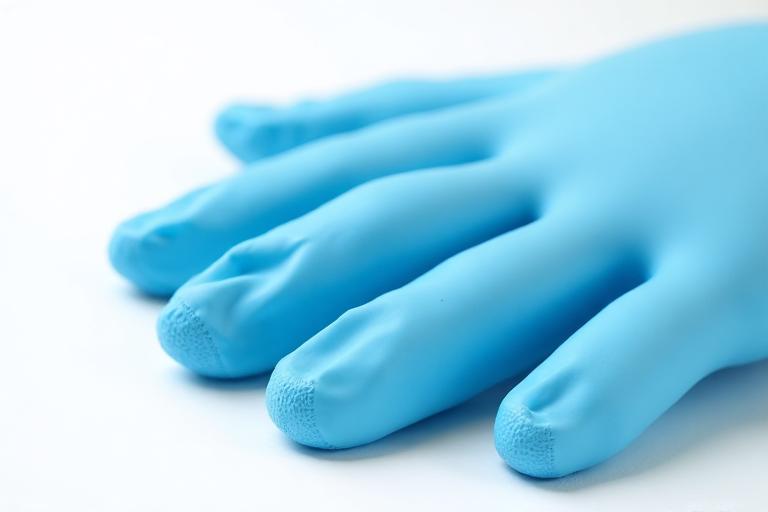
Double Gloves: You should wear two pairs of gloves to reduce the risk of contamination. Use gloves that meet ASTM standards and are at least 6-mil thick to minimize tearing.
-
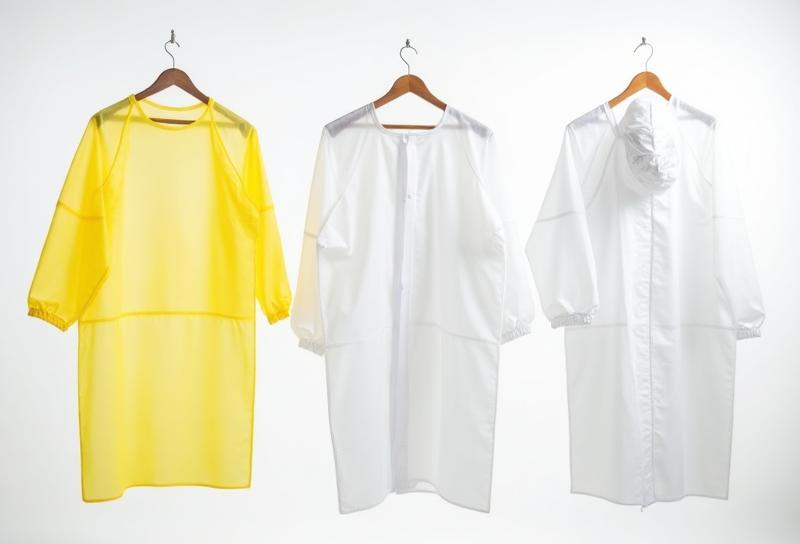
Protective Gowns: These gowns must be disposable and resistant to hazardous drug exposure. Ensure they have long sleeves and closed cuffs to prevent any spills from reaching your skin.
-
Eye and Face Protection: Safety goggles or face shields are necessary when there is a risk of splashes or aerosols.
-
Head, Hair, and Shoe Covers: These items help prevent contamination of your clothing and skin.
|
PPE Component |
Requirement |
|---|---|
|
Double Gloves |
Required for all handling activities, including compounding and administration. |
|
Protective Gowns |
Must be disposable and resistant to hazardous drug exposure. |
|
Eye and Face Protection |
Necessary when handling hazardous drugs to prevent splashes. |
|
Head, Hair, and Shoe Covers |
Essential to minimize contamination risks. |
By adhering to these guidelines, you ensure that you are well-protected while handling hazardous drugs in compliance with USP 800 standards.
Fit Testing for Respirators

Fit testing is a critical component of ensuring that your respirator provides the expected level of protection. It minimizes the risk of contaminants leaking into the facepiece, which is essential when handling hazardous drugs.
N95 Respirators
When using N95 respirators, you must undergo fit testing to confirm a proper seal. This testing falls into two categories:
-
Qualitative Fit Test: This pass/fail test relies on your senses to detect any gaps in the seal. You will wear the respirator while exposed to a test agent, such as a sweet or bitter solution. If you can taste or smell the agent, the fit is inadequate.
-
Quantitative Fit Test: This method uses instruments to measure the amount of leakage. You will perform specific exercises while wearing the respirator, allowing the equipment to provide numerical data on the fit quality.
OSHA mandates that you undergo fit testing annually. If you experience significant changes in your appearance, such as weight loss or facial scarring, you must retest sooner. Studies show that approximately 0.7% of healthcare workers fail their initial fit testing for N95 respirators. However, the failure rate increases to about 25% after three years, highlighting the importance of regular testing and maintenance.
Tip: Ensure you simulate real work conditions during fit testing. Many tests do not replicate actual environments, which can lead to inaccurate results.
Elastomeric Half-Masks
Elastomeric half-masks (EFRs) offer advantages over N95 respirators, particularly in terms of fit and protection. These masks typically provide a better seal due to their adjustable fit. Studies indicate that EFRs equipped with P100 filters outperform N95s, likely because of their superior fit from adjustable head straps.
While N95 respirators are often preferred for comfort and communication, EFRs are favored in high-risk situations for their enhanced sense of protection. Like N95s, EFRs also require fit testing to ensure effectiveness.
You should be aware of common challenges during fit testing for both types of respirators:
-
Failing to simulate work conditions can lead to inaccurate results.
-
Improper donning of the respirator affects fit quality.
-
Facial hair can prevent a proper seal, making the respirator ineffective.
-
Neglecting to clean and change out cartridges can compromise safety.
By understanding these factors and adhering to fit testing protocols, you can ensure that your respiratory protection meets the standards set forth by USP 800.
Training and Compliance Requirements
Staff Training Essentials
Effective training is vital for all staff handling hazardous drugs. Your training program should cover several key elements to ensure safety and compliance with USP 800 standards:
-
Regulatory Framework: Understand the hazardous compounding regulations, including OSHA, NIOSH, and USP <800>.
-
Risk Assessment: Examine the risks associated with hazardous drugs in your pharmacy and healthcare settings.
-
Hazardous Drug List: Construct a pharmacy-specific list of hazardous drugs based on occupational risks.
-
Protection Strategies: Evaluate strategies to protect personnel, patients, and the environment during drug handling.
-
Hazard Communication: Assess training requirements for effective hazard communication.
-
Containment Controls: Contrast primary engineering controls (C-PECs) and their applications.
-
Facility Design: Interpret facility design plans for both sterile and non-sterile compounding.
-
Safe Handling Practices: Manage safe handling practices for hazardous drugs.
-
Deactivation Procedures: Evaluate deactivation and decontamination procedures.
-
PPE Selection: Select personal protective equipment based on the NIOSH tiered approach.
-
Donning and Doffing: Demonstrate proper donning and doffing procedures.
-
Medical Surveillance: Examine the benefits of medical surveillance and environmental monitoring.
By emphasizing these training components, you can foster a culture of safety and compliance within your organization.
Maintaining Compliance
Maintaining compliance with USP 800 standards is crucial for protecting both staff and patients. Here are some common challenges you may face:
-
Establishing Safety Programs: Developing a robust hazardous drug safety program is essential due to the risks of exposure.
-
Adhering to PPE Guidelines: Studies show that despite awareness of health risks, adherence to PPE guidelines often falls short among healthcare workers.
-
Ongoing Training: Comprehensive training must be both initial and ongoing, covering safe handling, PPE usage, and spill management.
Non-compliance can lead to serious consequences, including fines, reprimands, or even facility closure. Regular audits and assessments can help ensure that your facility meets all necessary standards. By prioritizing training and compliance, you can create a safer environment for everyone involved in hazardous drug handling.
Adhering to USP 800 standards for respiratory protection is vital for your safety and the safety of your colleagues. By implementing effective respiratory protection measures, you significantly reduce the risk of exposure to hazardous drugs. Key points include:
-
Selecting appropriate respirators and PPE.
-
Conducting regular fit testing.
-
Providing comprehensive training for staff.
Ongoing education is essential. Regular training ensures that you stay informed about safe handling practices and compliance requirements. Remember, a proactive approach to health management, including air and surface monitoring, protects your long-term health. Prioritize safety and compliance to create a safer healthcare environment for everyone involved.
FAQ
What are USP 800 standards?
USP 800 standards provide guidelines for handling hazardous drugs safely in healthcare settings. They aim to protect healthcare workers, patients, and the environment from exposure to these drugs.
How often should I undergo fit testing for my respirator?
You must undergo fit testing annually. If you experience significant changes in your appearance, such as weight loss or facial scarring, retesting is necessary sooner.
What types of respirators are recommended under USP 800?
Recommended respirators include N95 respirators, elastomeric half-masks, full-face respirators, and powered air-purifying respirators (PAPRs). Each type offers different levels of protection based on your specific needs.
Is training required for staff handling hazardous drugs?
Yes, comprehensive training is essential for all staff handling hazardous drugs. Training should cover regulations, risk assessments, safe handling practices, and proper use of personal protective equipment (PPE).
What should I do if I notice a respirator leak?
If you notice a leak in your respirator, immediately remove it and perform a fit check. If the fit is inadequate, adjust the straps or select a different respirator. Always ensure a proper seal before use.