

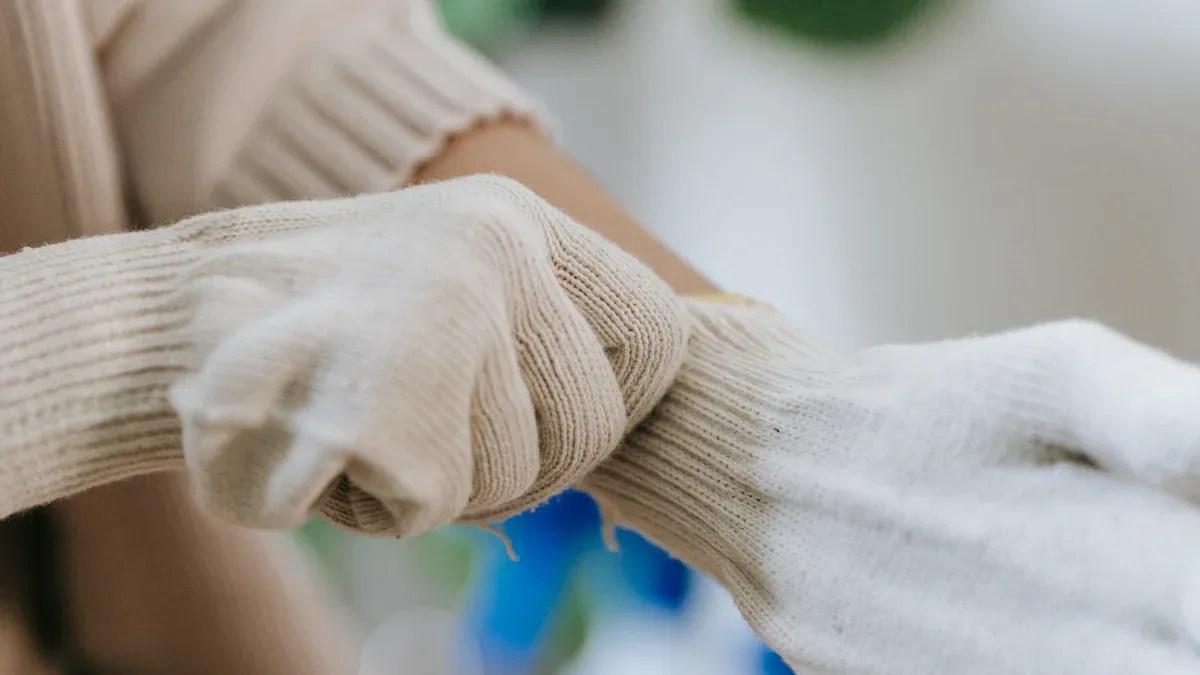
In emergency settings, understanding how should ER nurses execute the standard 10-second rapid doffing SOP to avoid self-inoculation is crucial for protecting both healthcare workers and patients. You must act swiftly and safely when removing personal protective equipment (PPE). Improper doffing can lead to contamination, increasing the risk of cross-transmission of pathogens. Studies show that many healthcare workers fail to doff PPE correctly, with 37% showing gaps in their technique. Following the SOP precisely minimizes these risks and ensures a safer environment for everyone involved.
Key Takeaways
Follow the correct doffing sequence: gloves, goggles, gown, and mask. This order minimizes contamination risks.
Practice hand hygiene immediately after doffing PPE. Washing hands eliminates pathogens and protects you and your patients.
Participate in simulation drills to enhance your doffing skills. Regular practice helps you become familiar with the process and reduces contamination risks.
Avoid rushing the doffing process. Take your time to follow the correct steps to prevent mistakes and contamination.
Stay updated on PPE protocols through continuous education. Ongoing training improves your skills and promotes a safer healthcare environment.
How Should ER Nurses Execute the Standard 10-Second Rapid Doffing SOP
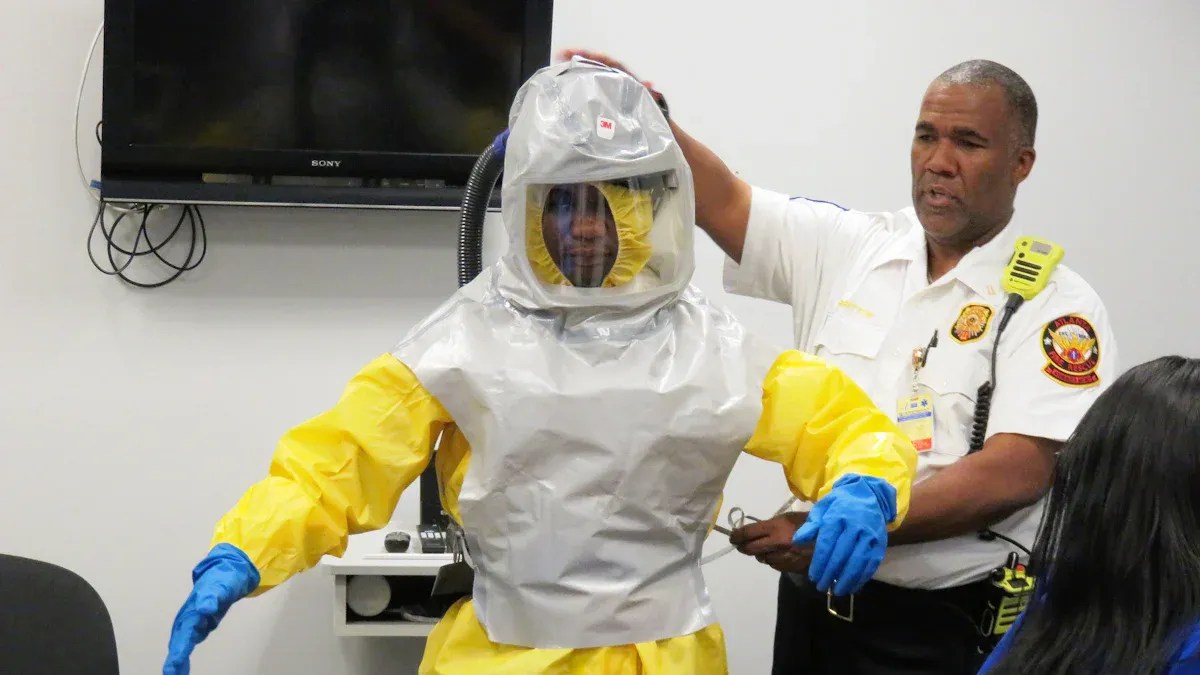
Doffing Steps
To limit self-contamination, you must follow the correct sequence when doffing personal protective equipment (PPE). The recommended order is:
Gloves
Goggles
Gown
Mask
Using this sequence helps prevent the transfer of pathogens from contaminated surfaces to your skin or mucous membranes. Research shows that following the correct doffing sequence significantly reduces the risk of self-contamination. For instance, a study titled *Self-contamination during doffing of personal protective equipment by healthcare workers to prevent Ebola transmission* highlights the critical phase of doffing that increases contamination risk.
Here’s a summary of key findings from various studies on doffing procedures:
Study Title | Key Findings |
|---|---|
Self-contamination during doffing of personal protective equipment by healthcare workers to prevent Ebola transmission | Highlights the critical phase of doffing that increases contamination risk and the need for comprehensive training methods. |
A Practical Guide to a Safe Sequence of Donning and Doffing of Personal Protective Equipment in Relation to COVID-19 | Emphasizes the importance of rigorous training and competency in doffing to prevent self-contamination. |
Human Factors Risk Analyses of a Doffing Protocol for Ebola-Level Personal Protective Equipment | Analyzes errors in doffing protocols and predicts self-contamination rates, underscoring the need for correct procedures. |
Hand Hygiene Importance
Hand hygiene is crucial after doffing PPE. You should wash your hands immediately after removing all equipment. This practice helps eliminate any pathogens that may have transferred to your hands during the doffing process.
Here are some best practices for maintaining hand hygiene:
Best Practice | Description |
|---|---|
Regular handwashing is essential for maintaining hygiene after doffing PPE. | |
Use alcohol-based hand sanitizers | When soap and water are unavailable, use sanitizers with at least 60% alcohol. |
Gloves are not a substitute for handwashing | Always wash hands before and after using gloves to ensure proper hygiene. |
Follow these steps for effective hand hygiene:
Wash hands or use an alcohol-based sanitizer immediately before putting on PPE.
Wash hands or use an alcohol-based sanitizer immediately after taking off all PPE.
By adhering to these guidelines, you can significantly reduce the risk of self-inoculation and protect both yourself and your patients.
Techniques for Doffing

Efficient Movements
When doffing PPE, you must prioritize efficient movements. Quick and deliberate actions reduce the risk of contamination. Here are some tips to enhance your doffing technique:
Practice the Sequence: Rehearse the doffing order—gloves, goggles, gown, and mask. Familiarity with this sequence helps you act swiftly.
Minimize Contact: Avoid touching your face or other surfaces during the process. This practice limits the chance of transferring pathogens.
Use Controlled Movements: Perform each step with care. Rushing can lead to mistakes and increase contamination risks.
In emergency settings, effective communication plays a vital role. Team members should coordinate their actions to ensure a smooth doffing process. Here are some key strategies for team coordination:
Assign Roles: Designate specific roles for each team member. This approach clarifies responsibilities and enhances efficiency.
Limit Staff in the Area: Fewer people in the doffing area reduce noise and distractions. This setup allows for clearer communication and better focus.
Conduct Debriefings: After doffing, hold discussions to review the process. This practice helps identify areas for improvement and reinforces proper techniques.
Use of Tools
Utilizing the right tools can significantly enhance the doffing process. Here are some essential tools and innovations that facilitate rapid and safe doffing:
Step | Description | Tools Used |
|---|---|---|
1 | Structured doffing area | |
2 | Verbal assistance | Posters at each station |
3 | Sequential stations | Automatic no-touch dispensers |
4 | Quality improvement tools | Supply of relevant PPE at each station |
Recent innovations also improve the doffing experience. Here are some noteworthy advancements:
Innovation Type | Description |
|---|---|
Data-driven systems for simulating decision-making, providing real-time feedback, and error identification through computer vision. | |
Training Content | Focus on correct procedures for donning and doffing PPE, including usage sequence and error correction. |
Training Modalities | Include VR simulations, AR-assisted guidance, and AI-powered virtual tutor systems for interactive learning. |
By incorporating these tools and techniques, you can enhance your doffing efficiency and safety. Remember, the goal is to protect yourself and your patients while maintaining a swift and effective doffing process.
Common Mistakes to Avoid
Rushing the Process
You may feel pressure to doff PPE quickly, especially in emergency settings. However, rushing can lead to serious mistakes. Common errors include:
Errors in PPE doffing: Rushing increases the risk of contamination. You might forget steps or remove PPE in the wrong order.
Incorrect removal of the N95 respirator: This mistake can expose you to harmful pathogens.
Doffing gloves first: This action raises the risk of hand contamination, making it easier to spread infections.
A study shows that rushing the doffing process significantly increases contamination risk. When you do not follow the correct sequence, you expose yourself and your patients to infectious agents. Always take a moment to ensure you follow the proper steps.
Improper Handling of PPE
Improper handling of PPE during doffing can lead to contamination. Here are some common mistakes to avoid:
Touching contaminated surfaces: You might accidentally touch your scrubs or goggles with contaminated hands.
Inadequate hand hygiene: Failing to wash your hands between doffing steps can transfer pathogens. Always wash your hands for at least 20 seconds after removing PPE.
Not adhering to hospital policy: Ensure you follow your facility’s guidelines for PPE disposal. For example, sort used PPE as hazardous waste and place it in designated bins.
To handle PPE properly, follow these steps:
Remove gloves and dispose of them in a biohazard box.
Remove your gown and place it in the appropriate waste container.
Wash your hands thoroughly with soap and water.
Remove goggles or face shields carefully.
Finally, take off your mask or respirator and discard it properly.
By avoiding these common mistakes, you can enhance your safety and that of your patients.
Tips for Practicing Doffing Skills
Simulation Drills
To enhance your doffing skills, participate in simulation drills. These drills allow you to practice in a controlled environment, helping you become familiar with the doffing process. Conduct repeated training using in-situ simulations, especially as PPE protocols evolve. Using actual PPE during these drills ensures realism and safety.
Incorporate various educational methods to enrich your training experience. Consider using:
Training videos that demonstrate proper techniques.
Small group discussions to share experiences and tips.
Visual guides on infection control practices.
These methods can significantly improve your understanding and execution of the doffing process.
Continuous Education
Staying updated on PPE doffing protocols is essential for your safety and that of your patients. Continuous education resources can help you maintain compliance and improve your skills. Here are some valuable resources:
Free resources for healthcare providers on PPE donning and doffing from Project Firstline and ANA.
A CE course covering standard precautions and proper PPE usage according to CDC guidelines.
A nursing CE course focused on understanding PPE usage and protocols to prevent infection.
Ongoing training in PPE doffing offers several benefits. Regular training reduces contamination risks, improves doffing techniques, and lowers infection rates among healthcare workers.
Benefit of Ongoing Training in PPE Doffing | Description |
|---|---|
Minimization of Contamination Risks | Proper training reduces the risk of contamination during doffing procedures, essential for safety in healthcare settings. |
Improvement of Doffing Techniques | Regular training programs and simulations enhance the skills of emergency room staff in doffing PPE effectively. |
Reduction of Infection Rates | Ongoing training has been linked to lower infection rates among healthcare workers, promoting a safer work environment. |
By engaging in simulation drills and continuous education, you can enhance your doffing skills and contribute to a safer healthcare environment.
In summary, you must follow the correct sequence for doffing PPE: gloves, goggles, gown, and mask. This order minimizes contamination risks. Remember to practice your doffing skills regularly. Awareness of common mistakes, such as rushing or improper handling, is vital.
Prioritizing safety during doffing is crucial in high-stress environments like emergency departments. Efficient doffing procedures not only protect you but also maximize patient care time. By focusing on these techniques, you enhance safety for yourself and your patients.
FAQ
What is the 10-second doffing SOP?
The 10-second doffing SOP is a rapid procedure for safely removing personal protective equipment (PPE) in emergency settings. It emphasizes speed and safety to minimize contamination risks.
Why is hand hygiene important after doffing?
Hand hygiene is crucial after doffing to eliminate any pathogens that may have transferred to your hands. Washing your hands helps protect both you and your patients from infections.
How can I improve my doffing skills?
You can improve your doffing skills by participating in simulation drills and seeking continuous education. Regular practice helps you become familiar with the doffing sequence and reduces contamination risks.
What common mistakes should I avoid during doffing?
Avoid rushing the process and improperly handling PPE. These mistakes can lead to contamination and increase the risk of infection. Always follow the correct doffing sequence.
How often should I practice doffing?
You should practice doffing regularly, especially as PPE protocols evolve. Frequent practice helps reinforce proper techniques and ensures you remain confident in your skills.


