

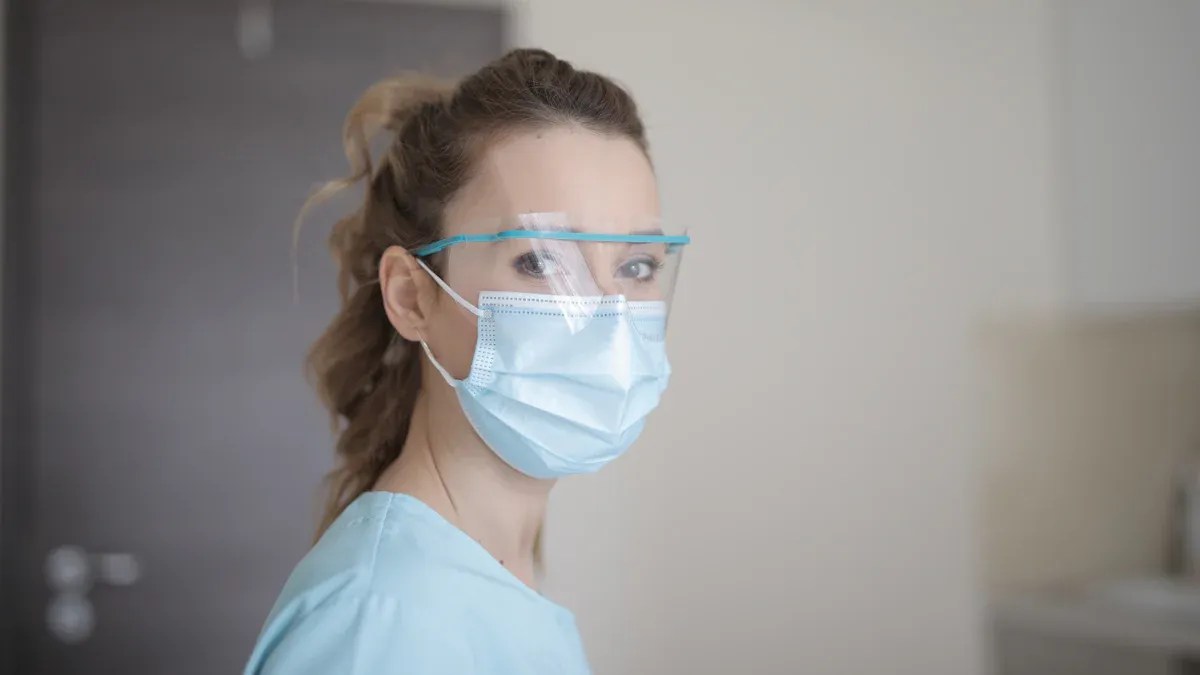
Isolation gowns play a vital role in emergency response, especially when considering how to accelerate emergency responses using over-the-head design isolation gowns. These gowns protect healthcare workers and patients from potential contamination during critical situations. Selecting the right gown ensures optimal protection and comfort, which is essential in high-pressure environments. However, many emergency responders face challenges related to compliance with safety standards.
Here are some common concerns:
Only 76% of healthcare workers comply with isolation gown usage.
A lack of knowledge about current isolation guidelines affects gown selection.
Many responders do not understand standard precautions or performance requirements.
Understanding these issues can help you make informed choices when selecting isolation gowns, particularly when exploring how to accelerate emergency responses using over-the-head design isolation gowns.
Key Takeaways
-
Choose the right isolation gown type based on your needs: disposable gowns offer convenience, while reusable gowns are more sustainable and cost-effective over time.
-
Understand the AAMI protection levels to select gowns that provide adequate safety for different emergency situations, ensuring compliance with safety standards.
-
Prioritize comfort and fit when selecting gowns; a proper fit reduces contamination risks and enhances the effectiveness of the gown during use.
-
Utilize over-the-head design gowns for quicker donning and doffing, which can save time and reduce contamination risks in emergencies.
-
Implement regular training for healthcare workers on gown usage to improve compliance and ensure safety during critical situations.
- Ideal for both emergency trauma units and fluid-intensive dental procedures.
Isolation Gown Types

Disposable vs. Reusable
When choosing isolation gowns, you will encounter two main types: disposable and reusable. Each type has its advantages and disadvantages.
-
Disposable Gowns:
-
Offer high fluid resistance, making them ideal for high-risk surgical procedures.
-
Provide convenience since you can discard them after use.
-
However, ongoing purchases can lead to higher long-term costs.
-
-
Reusable Gowns:
-
Provide adequate protection for medium-risk areas.
-
Sustainably designed, they reduce waste and lower environmental impact.
-
While they may require a higher upfront investment, they save money over time due to their durability.
-
In terms of environmental impact, reusable gowns significantly reduce energy consumption, greenhouse gas emissions, and solid waste generation. For example, reusable gowns can lower solid waste generation by up to 93% compared to disposable options.
Protection Levels
Understanding the protection levels of isolation gowns is crucial for your safety. The AAMI PB70 standards categorize gowns into four levels based on their fluid barrier protection:
|
AAMI Level |
Protection Description |
Emergency Situations |
|---|---|---|
|
Level 4 |
Highest fluid and microbial barrier protection against blood-borne pathogens. |
Long, fluid-intensive procedures; operating on patients with potential blood-borne pathogen risk. |
|
Level 3 |
Moderate fluid barrier protection. |
Widest range of surgical procedures requiring moderate fluid protection. |
|
Level 2 |
Minimal to low fluid barrier protection. |
Low-fluid minimally invasive surgical procedures. |
|
Level 1 |
Minimal fluid barrier protection. |
General use with minimal fluid exposure. |
It’s important to note that only 32% of tested disposable isolation gown models exceeded the required performance level. This statistic highlights the need for careful selection to ensure you choose gowns that meet the necessary protection standards.
Versatility Across Medical and Dental Procedures
While rapid deployment is critical in emergency rooms, the strict safety standards of infection control apply across various clinical environments. High-quality disposable gowns provide a consistent, reliable defense against cross-contamination, whether you are managing trauma patients or conducting routine dental procedures that generate significant aerosols. By standardizing the use of over-the-head designs across all departments, facilities can streamline training, reduce donning times, and maintain uniform safety protocols across the board.
Key Features to Consider

Material and Comfort
When selecting an isolation gown, the material significantly impacts both comfort and fluid resistance. Common materials used in isolation gowns include:
-
Polypropylene: Lightweight and provides good fluid resistance.
-
Polyester: Durable and comfortable for extended wear.
-
Polyethylene: Offers excellent liquid barrier properties.
These materials can be engineered using specific fiber types and bonding processes to achieve desired properties. Additionally, chemical or physical treatments can enhance the liquid barrier properties of the fabrics.
Disposable gowns often use nonwoven materials, which include synthetic fibers like polypropylene and polyethylene. These gowns provide high fluid resistance but may lack breathability. On the other hand, reusable gowns typically consist of tightly woven fabrics, such as 100% cotton or polyester/cotton blends. These materials are treated to enhance liquid barrier properties while offering better comfort during long periods of use.
Fit and Size
The fit and size of an isolation gown are crucial for effective use. An improper fit can lead to increased risks of contamination. A survey of infection preventionists revealed that about 25% experienced strikethrough, while 45% reported tearing of gowns. These issues often occur at critical points like the shoulders or chest, exposing the wearer to potential contaminants.
To ensure proper fit, consider the following:
-
Size Options: Gowns should come in various sizes to accommodate different body types.
-
Design Features: Look for gowns with adjustable ties or elastic cuffs for a secure fit.
Improved gown design can address issues related to fit, coverage, and barrier protection. Ensuring that your gown fits well not only enhances comfort but also minimizes the risk of gown failure during critical situations.
How to Accelerate Emergency Responses Using Over-the-Head Design Isolation Gowns?
Anatomy of an Over-the-Head Isolation Gown
To truly accelerate an emergency response, the physical construction of medical gowns matters immensely. Over-the-head disposable isolation gowns are frequently manufactured with a lightweight yet highly impermeable polyethylene film that glides easily over standard scrubs.
Unlike traditional gowns that require a colleague to secure a complicated back tie, this intuitive design allows healthcare workers to simply slip the garment over their heads. Once on, a quick-release waist tie secures the fit in seconds. Furthermore, integrated long sleeves ending in snug, latex free elastic cuffs ensure that protective gloves stay securely in place, completely sealing off vulnerable skin during high-stress interventions.
Benefits of Over-the-Head Design
Over-the-head design isolation gowns offer several advantages in emergency situations. These gowns simplify the donning and doffing process, which is crucial when time is of the essence. You can quickly put them on without needing to tie multiple straps, reducing the risk of contamination. This design allows for a more secure fit, which enhances protection against exposure.
Research supports the effectiveness of over-the-head designs. A study by Markoglou, N. (2025) emphasizes that these gowns can reduce contamination risks. The findings suggest that improved compliance leads to potential time savings during donning and doffing. Another study by Mana TS et al. (2018) shows that modifications in gown design significantly lower contamination during PPE removal. This implies that you can expect a more efficient doffing process with over-the-head gowns.
Here’s a summary of the findings from various studies:
|
Study |
Findings |
|---|---|
|
Markoglou, N. (2025) |
Emphasizes that enhanced gown designs can reduce contamination, suggesting potential time savings in donning and doffing due to improved compliance and reduced risk of contamination. |
|
Mana TS, et al. (2018) |
Demonstrates that modifications in gown design can significantly reduce contamination during PPE removal, implying a more efficient doffing process. |
|
Hajar Z, et al. (2019) |
Shows that increased skin coverage and education on donning/doffing techniques can reduce contamination, indicating a potential reduction in time spent during these processes. |
Additionally, over-the-head gowns often provide better coverage, protecting more skin areas. This feature is especially important in emergency scenarios where exposure to pathogens is a concern.
Training for Compliance
Training is essential for ensuring compliance with the proper use of over-the-head design isolation gowns. You must understand the correct donning and doffing protocols to maximize the benefits of these gowns. Training healthcare workers (HCWs) on these protocols is crucial, especially for reusable isolation gowns.
Validation studies are necessary to confirm that HCWs can safely doff gowns without risking self-contamination. Design innovations, such as Velcro closures or no-closure gowns, can facilitate compliance with proper protocols. Here are some recommended training protocols:
-
Educate HCWs on the importance of proper gown usage.
-
Conduct hands-on training sessions to practice donning and doffing.
-
Provide visual aids and checklists to reinforce learning.
By prioritizing training, you can enhance the effectiveness of over-the-head design isolation gowns in emergency situations. This approach not only improves compliance but also ensures that you and your team remain safe while providing care.
Ensuring Compliance with Safety Standards
Monitoring Gown Failures
Monitoring gown failures is crucial in maintaining safety standards during emergency situations. You must actively track any issues with isolation gowns to ensure they provide the necessary protection. Here are some effective methods for monitoring gown failures:
-
Buddy System: Implement a buddy system during doffing procedures. This allows one person to supervise another, ensuring proper removal techniques.
-
Infection Control Teams: Have infection control teams provide real-time guidance and monitoring. Their expertise can help identify potential failures quickly.
-
Immediate Disinfection Protocols: Establish immediate disinfection protocols following exposure incidents. This helps prevent contamination and ensures safety for all healthcare workers.
By actively monitoring gown failures, you can enhance compliance with safety standards and protect both healthcare workers and patients.
Optimizing Supplies
During crises, optimizing gown supplies becomes essential. You need to ensure that your facility can maintain adequate protection without compromising safety. Here are some strategies to optimize isolation gown supplies:
-
Prolonged Use: Consider the prolonged use or reuse of PPE, including isolation gowns. Evidence from the COVID-19 pandemic shows that this approach did not increase healthcare provider infections.
-
Emergency Protocols: Establish emergency protocols for PPE use during shortages. These protocols can allow for the extended use of masks and gowns under specific conditions.
-
Training and Fit Testing: Implement training and fit testing for N95 respirators. This allows for one-time reuse during emergencies, ensuring that healthcare workers remain protected.
By following these strategies, you can effectively manage gown supplies during large-scale emergencies. This proactive approach not only conserves resources but also maintains safety standards.
|
Description |
Protection Level |
Testing Standards |
|
|---|---|---|---|
|
Level 1 |
Minimal protection against fluids |
Low |
AATCC 42-2017, ASTM F1670-17 |
|
Level 2 |
Low protection from splatter |
Moderate |
AATCC 42-2017, ASTM F1670-17 |
|
Level 3 |
Moderate protection from liquid penetration |
High |
AATCC 127-2017, ASTM F1670-17 |
|
Level 4 |
Highest protection against blood-borne pathogens |
Very High |
ASTM F1671-13 |

By ensuring compliance with safety standards through monitoring and optimizing supplies, you can enhance the effectiveness of isolation gowns in emergency situations.
In summary, selecting the right isolation gown is crucial for effective emergency response. Consider the following key factors:
-
Purpose of the Isolation Gown: Identify who will wear the gown to determine the necessary protection level.
-
Environmental Risk Level: Understand the risk level to select the appropriate gown type.
-
Material Choice: The gown’s material impacts fluid protection.
-
Reusable or Disposable: Weigh the environmental impact and longevity of the gown type.
Prioritizing safety and compliance can significantly improve outcomes for both emergency responders and patients. Proper gown selection reduces the risk of exposure to infectious agents, leading to safer environments. Always ensure your gowns meet regulatory standards to enhance protection and minimize infection rates.
Remember, making informed choices about isolation gowns can save lives! 🛡️
Sourcing and Procurement Best Practices
For hospital administrators, securing a reliable supply of isolation gowns is just as critical as their clinical application. When sourcing PPE, always partner with licensed wholesalers to guarantee product authenticity and compliance with FDA regulations.
Procurement teams should actively compare products not just based on their current price, but on overall clinical value and durability. Pay close attention to the supplier’s minimum quantity requirements to avoid overstocking or tying up capital, and thoroughly review their return policy to ensure you are protected in the event of receiving defective batches.
FAQ
What is the main purpose of an isolation gown?
Isolation gowns protect healthcare workers and patients from contamination during medical procedures. They act as a barrier against fluids and pathogens, ensuring safety in high-risk environments.
How do I choose the right size for an isolation gown?
Select a gown that fits comfortably and securely. Check the sizing chart provided by the manufacturer. Look for adjustable features like ties or elastic cuffs to enhance the fit.
Can I reuse disposable isolation gowns?
No, disposable isolation gowns are designed for single use only. Reusing them can compromise their protective qualities and increase the risk of contamination.
What should I do if I notice a gown failure?
Immediately report any gown failures to your supervisor. Follow your facility’s protocols for monitoring and replacing defective gowns to maintain safety standards.
How often should I train staff on gown usage?
You should conduct training sessions regularly, especially when new gowns are introduced. Frequent training helps ensure that all staff members understand proper donning and doffing techniques.
How to verify if a supplier is a licensed wholesaler for medical gowns?
To verify a supplier, check for FDA registration and request proof of their distribution licenses. Purchasing from established licensed wholesalers ensures that the gowns meet rigorous national safety standards and protects your facility against counterfeit products.

Head-to-Toe Zero-Gap Protection
Complete PPE integration for CSSD decontamination workflows


