


Isolation gowns play a vital role in preventing infection transmission during patient rounds. They act as a barrier, protecting healthcare providers from contaminants and safeguarding patients from potential exposure. However, improper use of these gowns can lead to serious risks. For example, studies show that gown contamination rates can reach as high as 77.5%. Therefore, understanding how to ensure safety during rounds with isolation gowns for basic patient care and visitor use is essential. Proper training and adherence to guidelines on how to ensure safety during rounds with isolation gowns can significantly reduce infection risks, benefiting both you and your patients.
Key Takeaways
-
Isolation gowns are essential for preventing infection during patient rounds. They protect healthcare workers and patients from harmful pathogens.
-
Always follow proper donning and doffing guidelines. This ensures maximum protection and reduces the risk of contamination.
-
Change isolation gowns between patients or when they become soiled. This practice is crucial for minimizing cross-contamination.
-
Regularly inspect gowns for damage before use. Compromised gowns can increase the risk of infection.
-
Enhance training on PPE usage and protocols. Improved knowledge leads to better compliance and a safer healthcare environment.
Why Use Isolation Gowns?

Infection Control Role
Isolation gowns serve as a critical barrier in infection control. They protect healthcare workers from exposure to infectious agents while also preventing the spread of pathogens to patients. The effectiveness of these gowns depends on various factors, including the fabric properties and the characteristics of the microorganisms involved.
Here’s a summary of key findings from recent studies on isolation gowns:
|
Study Focus |
Findings |
|---|---|
|
Microorganism movement through fabrics |
Movement depends on fabric properties and microorganism characteristics, influencing gown effectiveness. |
|
Clinical studies on gown use |
Mixed conclusions; some show reduced infection rates, while others indicate no benefit. |
|
Resistance to blood penetration |
Studies assess barrier effectiveness through various methods, showing differences based on material and design. |
|
Control of VRE outbreaks |
Some studies indicate gowns help control outbreaks, while others suggest limited added protection over gloves. |
|
Comparison of reusable vs disposable gowns |
Significant differences in protective capabilities based on type and testing conditions. |
These findings highlight the importance of using isolation gowns correctly to maximize their protective benefits.
Situations for Use
You should use isolation gowns in specific situations to ensure safety for both yourself and your patients. The Centers for Disease Control and Prevention (CDC) recommends wearing isolation gowns in the following scenarios:
-
When interacting with patients known to be infected with the same infectious disease, such as COVID-19, especially in cohort settings.
-
When gowns become soiled or when changing between patients.
-
In cases of severe shortages, consider alternatives like disposable laboratory coats or reusable patient gowns, but remember these are not classified as personal protective equipment (PPE).
-
Reuse of gowns is discouraged unless they are dedicated to individual patients and must be laundered after use.
Additionally, certain types of patient interactions frequently require the use of isolation gowns. Here’s a breakdown:
|
Type of Precaution |
Description |
|---|---|
|
Contact Precautions |
Required for patients with known or suspected infections that pose a risk for contact transmission. Gowns and gloves should be worn for all interactions that may involve contact with the patient or their environment. |
|
Transport of Infected Patients |
When transporting patients with suspected or confirmed SARS-CoV-2 infection, transport personnel must wear gloves, a gown, and other recommended PPE to ensure safety and prevent transmission. |
By understanding when and why to use isolation gowns, you can significantly reduce the risk of infection during patient rounds.
How to Ensure Safety During Rounds with Isolation Gowns

Donning Guidelines
To maximize protection during patient rounds, follow these step-by-step guidelines for donning isolation gowns:
-
Perform Hand Hygiene: Always start by washing your hands thoroughly with soap and water or using hand sanitizer.
-
Put on the Gown: Ensure the gown fully covers your torso from neck to knees and wraps around your back. The sleeves should extend to your wrists.
-
Put on a Mask or Respirator: Secure the ties around your ears or the back of your head. Adjust the flexible band to fit snugly over your nose bridge. Ensure the mask fits tightly against your face and below your chin.
-
Put on Goggles or Face Shield: Place these over your face and eyes, adjusting them for a secure fit.
-
Put on Gloves: Extend the gloves to cover the wrist of the gown you just donned. This creates a barrier that helps prevent contamination.
Following these guidelines ensures that you are properly protected before interacting with patients.
Doffing Guidelines
Doffing isolation gowns correctly is just as important as donning them. Here’s how to do it safely:
-
Perform Hand Hygiene: Sanitize your gloves before removal to minimize contamination.
-
Assume a Clean Area: Move to a designated doffing zone that is free of contaminants.
-
Untie or Break Fasteners: Start by unfastening the waist ties, then the neck ties for tie-back gowns. For disposable gowns, tear the adhesive strips.
-
Peel the Gown Away: Pull the gown downward and away from your body, rolling it inside-out to contain any contaminants.
-
Dispose or Discard: Place disposable gowns in a biohazard bin. For reusable gowns, put them in a designated laundry container.
-
Perform Hand Hygiene Again: Wash your hands immediately after removing the gown to ensure any potential contaminants are eliminated.
Changing gowns between patients is crucial. Failing to do so can lead to increased contamination risks. Studies show that long-sleeved gowns can hinder effective hand hygiene after glove removal, leading to a higher risk of transmitting bacteria. Additionally, hand hygiene compliance can drop significantly when gowns are worn, which further compounds the risk of healthcare-associated infections.
By adhering to these donning and doffing guidelines, you can significantly reduce the risk of infection during patient rounds. Always remember to consult resources like the CDC for comprehensive guidelines on isolation gown usage.
Common Mistakes to Avoid
Incorrect Techniques
Many healthcare workers make mistakes when donning and doffing isolation gowns. Here are some of the most frequently observed incorrect techniques:
|
Incorrect Technique Observed |
Percentage of Healthcare Workers (HCWs) |
Source |
|---|---|---|
|
Removed gown from the front |
Study |
|
|
Did not follow recommended removal method |
75% |
Beam et al. study |
|
Used CDC-recommended doffing sequence |
Associated with fewer contaminations |
Osei-Bonsu et al. study |
These statistics highlight the need for proper training and adherence to guidelines.
Implications of Mistakes
Improper use of isolation gowns can lead to serious health risks. ECRI notes a gap between healthcare workers’ perceptions of gown performance and their actual effectiveness. Issues like strikethrough and tearing can result in contamination, increasing the risk of infection.
Consider these potential consequences of incorrect gown use:
-
Increased Infection Risk: Minor breaches in gown integrity can lead to significant exposure over time. A peer-reviewed study found that gowns often tear and allow more liquid to penetrate than expected.
-
Outbreaks of Healthcare-Associated Infections: Improper gown removal has been linked to outbreaks. For instance, approximately half of all individuals infected with SARS Co-V in Canada were healthcare personnel infected through occupational exposures, primarily due to improper PPE use.
-
Auto-inoculation: Incorrectly wearing or removing PPE can lead to auto-inoculation, which increases the risk of infection. Healthcare personnel who do not wear PPE consistently or correctly face a significantly higher risk of infections like MERS Co-V.
Training and education can significantly improve the correct usage of PPE. Morgan emphasizes the importance of training healthcare workers on proper donning and doffing protocols. Implementing a buddy system for mutual monitoring can also enhance safety and compliance.
By avoiding these common mistakes, you can help protect yourself and your patients during rounds.
Best Practices for Gown Integrity
Storage and Handling
Proper storage and handling of isolation gowns are essential for maintaining their protective integrity. Follow these best practices to ensure gowns remain effective:
-
Store gowns in a clean, dry area away from direct sunlight and moisture.
-
Use a gowning station to organize gowns in the order of dressing.
-
Place gowns in sterile cabinets with HEPA blowers to keep them in their protective wrap until use.
-
Always inspect packaging for damage before use. Compromised packaging can lead to contamination.
-
Implement a first-in, first-out system to ensure you use gowns within their shelf life.
Improper handling can affect the effectiveness of isolation gowns. Factors such as material type, impermeability, and wear and tear can compromise their protective capabilities. This confusion can increase the risk of cross-infection and nosocomial infections.
Inspection and Replacement
Regular inspection of isolation gowns is crucial before use. Here are key points to consider:
-
Ensure gowns provide a barrier resistant to blood and fluid penetration based on their intended use.
-
Check seams and points of attachment to minimize the penetration of liquids and contaminants.
-
Gowns should resist tears, punctures, and abrasions. Materials must be non-abrasive and non-toxic.
-
Verify that gowns are of appropriate size and sleeve length. Aim for gowns that are as lint-free as possible.
Standards like ANSI/AAMI PB70:2012 outline liquid barrier performance, providing ratings for different levels of gown protection. This ensures that gowns meet the necessary criteria for fluid protection in critical areas where contact with potentially infectious material is most likely.
By following these best practices for storage, handling, inspection, and replacement, you can enhance the effectiveness of isolation gowns and contribute to a safer healthcare environment.
Using isolation gowns correctly is crucial for preventing infections during patient rounds. You must follow proper donning and doffing guidelines to maintain safety. Recent research shows that targeted gown use can significantly reduce pathogen transmission.
Here are some effective strategies to enhance compliance:
Improve training on PPE types and doffing methods.
Provide just-in-time training when PPE styles change.
Assemble interdisciplinary teams to review PPE protocols.
By implementing these practices, you can help create a safer healthcare environment for both yourself and your patients.

FAQ
What is the purpose of wearing isolation gowns?
Isolation gowns protect you from infectious agents and prevent the spread of pathogens to patients. They act as a barrier during patient interactions, especially with those known to be infected.
When should I change my isolation gown?
You should change your isolation gown between patients or whenever it becomes soiled. This practice helps reduce the risk of cross-contamination and infection transmission.
Can I reuse isolation gowns?
Reusing isolation gowns is discouraged unless they are dedicated to individual patients and properly laundered after each use. Always follow your facility’s guidelines on gown reuse.
How do I know if my gown is effective?
Check the gown’s packaging for certification and inspect it for tears or damage before use. Ensure it meets the necessary standards for fluid resistance and barrier protection.
What should I do if my gown gets contaminated?
If your gown becomes contaminated, remove it immediately following proper doffing procedures. Perform hand hygiene right after removing the gown to eliminate any potential pathogens.
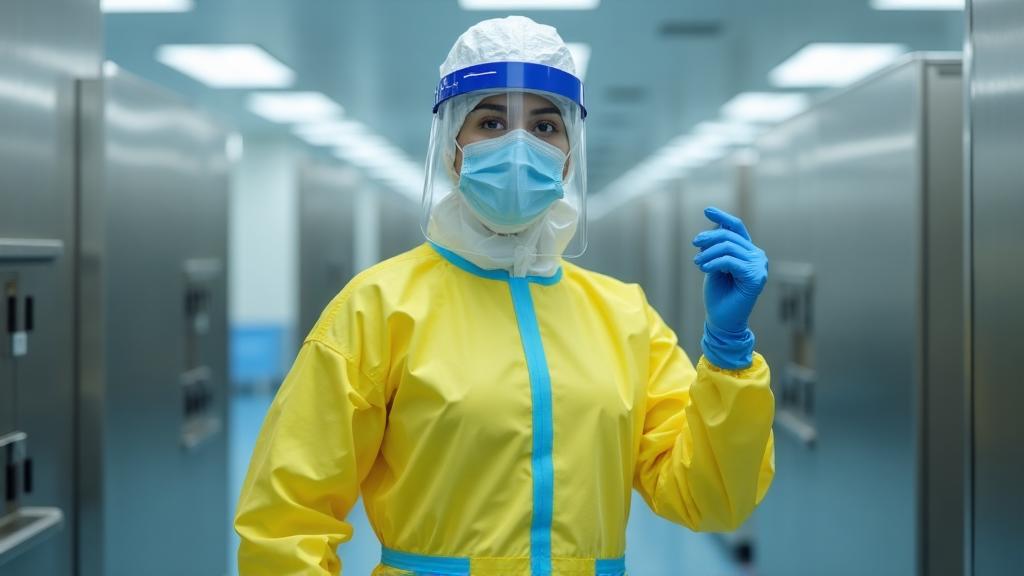
Head-to-Toe Zero-Gap Protection
Complete PPE integration for CSSD decontamination workflows


