


Isolation gowns play a vital role in preventing infections in ICU settings. They protect both patients and healthcare workers from harmful pathogens. Recent studies show that infection rates in ICUs remain alarmingly high. For instance, ventilator-associated pneumonia affects over 54% of patients.
Proper use of isolation gowns significantly reduces these risks. However, challenges exist. Many healthcare workers report issues with gown strikethrough and lack of training on gown limitations. Understanding how to maintain infection control using isolation gowns for ICU settings is essential for enhancing safety.

Key Takeaways
-
Isolation gowns are essential for preventing infections in ICU settings. They protect both patients and healthcare workers from harmful pathogens.
-
Always change isolation gowns between patient interactions. This practice minimizes the risk of cross-contamination and enhances safety.
-
Proper training on gown usage is crucial. Understanding how to don and doff gowns correctly helps prevent contamination and infection spread.
-
Monitor compliance with gown protocols regularly. Feedback mechanisms can improve adherence and create a safer environment for everyone.
-
Stay informed about best practices for gown selection and usage. This knowledge helps ensure adequate protection based on specific patient needs.
Purpose of Isolation Gowns
Isolation gowns serve a crucial role in infection control within ICU settings. They act as a barrier, preventing the transmission of infectious agents between patients and healthcare workers. By wearing these gowns, you significantly reduce the risk of cross-contamination, which is vital in high-risk environments like the ICU.
Infection Prevention
Infection prevention is the primary purpose of isolation gowns. These gowns protect against various pathogens that can lead to serious health complications. The Centers for Disease Control and Prevention (CDC) emphasizes that isolation gowns may become contaminated during patient care. This contamination highlights their importance in preventing the spread of infections.
Here are some key points regarding the effectiveness of isolation gowns in infection prevention:
|
Source |
Evidence Description |
|---|---|
|
CDC Review |
Isolation gowns may become contaminated with pathogens after patient care. |
|
CDC Prevention |
Isolation gowns protect healthcare workers from contamination with blood and body fluids. |
|
Simulation Study |
Isolation gowns are recommended for protecting against microorganisms, but concerns exist about fluid leakage at the glove-gown interface. |
Isolation gowns are particularly important for preventing droplet and contact transmission. You should be aware of the following precautions:
|
Type of Precaution |
Description |
PPE Required |
|---|---|---|
|
For patients with infections that pose a risk for contact transmission. |
Gown and gloves |
|
|
Droplet Precautions |
For patients infected with pathogens transmitted by respiratory droplets. |
Mask |
In high-risk ICU settings, the fight against a nosocomial infection is constant. Effective infection prevention strategies must address specific pathogens that thrive in these environments. For instance, robust contact transmission protocols, including strict glove and gown isolation precautions, are critical to stopping the spread of methicillin-resistant Staphylococcus aureus (MRSA) and vancomycin-resistant enterococci (VRE).
Furthermore, when treating patients with severe respiratory or systemic illnesses, gowns provide a crucial shield against respiratory syncytial virus (RSV) and severe bloodborne pathogens like Hepatitis B, Hepatitis C, and even the Ebola virus. By ensuring high microorganism protection, healthcare facilities can significantly lower the alarmingly high rates of ventilator-associated pneumonia and other severe cross-infections.
Protection for Healthcare Workers
Isolation gowns also provide essential protection for healthcare workers. When you wear a gown, you shield yourself from exposure to infectious materials. This protection is crucial, especially when dealing with patients who have highly contagious diseases.
The types of isolation gowns used in ICU settings vary in their protective properties. Here are some common features:
-
Made from lightweight non-woven fabric with waterproof and anti-pollution properties.
-
Back-opening design for easy wear and coverage of clothing and skin.
-
Elasticated cuffs to prevent liquid seepage.
-
Often disposable to avoid cross-contamination.
These gowns adhere to standards such as AAMI PB70 Level 1-4, indicating varying levels of protection from low to high risk. You will find them used in various scenarios, including ICU, NICU, and during epidemics for protective isolation of patients.
The ultimate protection relies heavily on advanced fabric characteristics and surgical gown fabrics. Traditional cotton or basic polypropylene might suffice for low-risk scenarios, but modern ICU environments demand higher tech. Materials like Microporous Laminate or chlorinated polyethylene are engineered to manipulate surface tension, ensuring water resistance while allowing heat to escape.
Design features are equally critical. A well-constructed disposable isolation gown often includes a thumb-hook cuff to prevent the sleeves from riding up during procedures, and a secure belt tie to ensure full wrap-around coverage. Whether a facility utilizes disposable gowns or heavy-duty reusable gowns (which require strict disinfection protocols), these ergonomic designs help prevent exposure to body fluids and saliva during routine care or emergency interventions.
Gown Selection and Usage

Choosing the right isolation gown is essential for effective infection control in ICU settings. You must consider several factors to ensure that the gown provides adequate protection for both you and your patients.
Understanding Barrier Performance and Testing Standards
Selecting the right protective equipment requires understanding its liquid barrier performance and barrier efficiency. In the United States, gowns are evaluated based on the ANSI/AAMI PB70 consensus standard, which categorizes protection from Level 1 to Level 4. For heavy fluid exposure, performance requirements demand rigorous testing.
High-level gowns undergo specific viral penetration tests and synthetic blood penetration resistance evaluations. For example, the ASTM F1670 and ASTM F1671 standards measure a fabric’s resistance to synthetic blood and Phi-X174 bacteriophage penetration, ensuring maximum viral penetration resistance under high hydrostatic pressure. Similarly, European standards like EN 13795 and hydrostatic tests like AATCC 127 or EN 20811 confirm that the gown can withstand intense fluid strikes in critical zones without risking a dangerous blood strike-through.
Navigating complex medical standards is a cornerstone of any effective infection-control strategy. Beyond the AAMI classifications, facilities must adhere to strict regulations set by the Occupational Safety and Health Administration (OSHA) and look for guidance from NIOSH. To ensure ultimate biological contamination control, fabrics are subjected to international tests like ISO 16603 and ISO 16604, which specifically measure blood and viral penetration resistance.
Furthermore, for first responders and specialized units, emergency medical protective clothing must often comply with the rigorous NFPA 1999 standard. Whether tested via AATCC 42 for water impact or ASTM International protocols, evaluating these barrier properties guarantees that the microbial penetration is halted, ensuring maximum barrier protection for all healthcare professionals.
How to Maintain Infection Control Using Isolation Gowns for ICU Settings?
To maintain infection control using isolation gowns, follow these best practices:
-
Change gowns between patients: Always change gowns after each patient interaction. If a gown becomes soiled, replace it immediately.
-
Extended use of gowns: You can reuse gowns for multiple patients with the same infection, provided there are no additional co-infections.
-
Consider gown alternatives: In case of shortages, alternatives like disposable lab coats or reusable gowns can be used. However, these are not considered personal protective equipment (PPE).
-
Laundry and maintenance: Reusable gowns should be laundered according to routine procedures. Ensure systems are in place for inspection and maintenance.
-
Caution with reuse: Reusing gowns poses risks for transmission. Disposable gowns should not be reused, and reusable gowns must be laundered before reuse.
These practices help minimize the risk of infection and ensure a safer environment for everyone in the ICU.
When selecting isolation gowns, consider the following criteria:
|
Criteria |
Description |
|---|---|
|
Protection Level & Barrier |
Surgical gowns for fluid resistance; disposable gowns for routine tasks. |
|
Material & Quality of Fabric |
Non-woven materials provide better protection than cloth; gowns should cover torso and arms. |
|
Sterility |
Sterile gowns for surgeries; non-sterile for general care to reduce costs. |
|
Comfort & Fit |
Lightweight gowns improve compliance; proper sizing enhances movement. |
|
Cost Efficiency & Waste |
Right-level gowns minimize costs; disposable gowns reduce laundry burden. |
Understanding these criteria helps you choose the appropriate gown for your specific needs.
Matching AAMI Levels to Specific Clinical Uses
Selecting the correct size and classification from the AAMI Levels is vital across all health care settings. For example, a standard Level 1 Medical Isolation Gown is highly effective for basic care, visitor use, and standard laboratories where the risk of fluid exposure is minimal.
On the other hand, according to AAMI Level 2 guidelines, Level 2 protection gowns are required for procedures like blood draws or suturing in the ICU, where occasional blood drops or minor fluid splatters might occur. While these PPE gowns are excellent for ward duties, high-risk environments like the operating theatre demand Level 3 or 4 Medical Gowns. By understanding these specific Uses, a Hospital can efficiently allocate its protective clothing inventory across the entire medical industry.
Proper Donning and Doffing Techniques
Proper donning and doffing techniques are crucial for preventing contamination. Follow these steps for donning isolation gowns:
-
Hand Hygiene: Start with cleaned hands to remove pathogens.
-
Put on Shoe Covers: Essential for isolation settings.
-
Don the Gown: Ensure it covers the torso and fasten securely.
-
Put on Mask: Secure it for a tight fit.
-
Eye Protection: Adjust goggles or face shield for comfort.
-
Gloves: Put on last to cover gown sleeves.
For doffing isolation gowns, follow these steps:
-
Glove Removal: Remove gloves first to avoid contamination.
-
Gown Removal: Untie and pull away from the body, rolling it inside-out.
-
Eye Protection: Remove by grasping the headband.
-
Mask Removal: Hold the ties to avoid touching the front.
-
Hand Hygiene: Perform immediately after removing PPE.
-
Shoe Covers: Remove as per protocol.
-
Dispose or Reprocess: Follow facility policy for disposal.
Improper donning and doffing can lead to contamination. Studies show that errors during doffing can transfer pathogens from PPE to healthcare workers, increasing the risk of exposure and infection. Therefore, adhering to these protocols is vital for maintaining safety in ICU settings.
Challenges in ICU Environments

Healthcare workers face several challenges when using isolation gowns in ICU settings. These challenges can impact compliance with infection control protocols and ultimately affect patient safety.
Compliance Issues
Compliance with isolation gown protocols is often lower than desired. A recent study found that overall compliance among healthcare workers stands at only 76%. Visitors show even lower compliance rates at 65%. Several factors contribute to these issues:
|
Compliance Issue |
Compliance Rate |
Contributing Factors |
|---|---|---|
|
Overall compliance by healthcare workers |
76% |
Lack of knowledge, inadequate understanding of standard precautions, low-risk perception |
|
Compliance by visitors |
65% |
Educational efforts needed, lack of supplies, staff time, mentors modeling noncompliance |
You may encounter barriers at different levels. Macro-level barriers include the lack of ergonomic design in PPE and high staff turnover. Meso-level barriers involve insufficient staffing and ineffective training. Micro-level barriers often stem from staff negligence and a lack of awareness.
Environmental Factors
Environmental factors also play a significant role in gown usage. The layout of the ICU, gown availability, and workflow can all impact how effectively you can use isolation gowns. Here are some key considerations:
-
Circulating nurses and scrub technologists may hesitate to adopt reusable surgical gowns due to concerns about sterility.
-
Transitioning to reusable products can disrupt established workflows, making it challenging to maintain compliance.
-
Trust in gown sterility is crucial; if you doubt the cleanliness of gowns, you may avoid using them altogether.
Additionally, nearly 25% of perioperative staff express hesitance to adopt reusable gowns due to worries about laundering costs and environmental impact. Institutional factors, such as supply chain issues and climate conditions, can also affect gown availability and usage.
Understanding these challenges can help you identify areas for improvement in gown compliance and infection control practices in the ICU.
Strategies for Compliance
Training and Education
Training and education are essential for improving compliance with isolation gown protocols in ICU settings. Comprehensive training programs can significantly enhance your understanding of proper gown usage. A multimodal intervention that focuses on hygiene precautions, including gown use, has proven effective. This type of training helps you grasp the importance of following protocols to prevent infections.
To ensure effective staff education, consider these key components:
-
Increase awareness of gown standards, such as ASTM F3352 and ANSI/AAMI PB70-2022.
-
Educate on the different levels of gowns to ensure appropriate selection based on fluid exposure risk.
A study found that about 25% of infection preventionists experienced gown strikethrough, while 45% reported tearing issues. Half of those surveyed lacked training to understand these problems. Addressing these gaps through structured training can lead to substantial improvements in compliance.
Monitoring and Feedback Mechanisms
Monitoring and feedback mechanisms play a crucial role in ensuring adherence to isolation gown protocols. Continuous assessment of individuals and work environments is vital for improving compliance. Effective monitoring strategies include:
|
Evidence Type |
Description |
|---|---|
|
Multifaceted Approach |
Regular evaluations help identify areas needing improvement. |
|
Education and Training |
Ongoing training reinforces the importance of infection control procedures. |
|
Organizational Factors |
Leadership commitment to infection control fosters a culture of safety. |
Real-time feedback systems can also enhance compliance. For instance, an AI-based computer vision system monitors healthcare worker adherence to PPE, including isolation gowns. This system achieved high accuracy rates (93–97%) in identifying PPE items, demonstrating its practical viability in a cardiac ICU. Such technology can provide immediate feedback, helping you adjust your practices and improve adherence.
By implementing robust training and monitoring strategies, you can create a safer environment for both patients and healthcare workers in the ICU.
Effective use of isolation gowns is crucial for infection control in ICU settings. You must prioritize proper gown usage to protect both yourself and your patients. Remember these key recommendations:
-
Wear a gown for direct patient contact if the patient has uncontained secretions or excretions.
-
Remove the gown and perform hand hygiene before leaving the patient’s environment.
-
Do not reuse gowns, even for repeated contacts with the same patient.
Ongoing education and vigilance are essential. Stay informed about best practices to enhance safety in your healthcare environment. Your commitment to these protocols can significantly reduce infection risks.
Advanced Hospital Textiles and Comprehensive PPE
While standard hospital Gowns focus on blocking droplet transmission, comprehensive healthcare settings often require a broader range of hospital textiles. In environments dealing with aggressive sanitation protocols or hazardous materials, personnel may need specialized coveralls or a Medical Isolation Gown that is flame retardant or resistant to ozone and chemical exposure.
Reliable brands play a crucial role in supplying these needs. For instance, facilities often stock reputable options like BodyMed isolation gowns alongside essential accessories such as disposable exam table covers. Incorporating trusted brands like BodyMed ensures that the barrier properties remain consistent, providing full-spectrum protection from the ICU bed to the decontamination zones.
FAQ
What are isolation gowns used for in the ICU?
Isolation gowns protect you and your patients from infections. They act as a barrier against pathogens during patient care, reducing the risk of cross-contamination.
How often should I change my isolation gown?
You should change your isolation gown after each patient interaction. If the gown becomes soiled, replace it immediately to maintain infection control.
Can I reuse isolation gowns?
Generally, you should not reuse disposable gowns. If using reusable gowns, ensure they are properly laundered before each use to prevent contamination.
What should I do if I notice a tear in my gown?
If you notice a tear in your gown, remove it immediately. Replace it with a new gown to ensure continued protection against infections.
How can I improve compliance with gown protocols?
You can improve compliance by participating in training sessions and staying informed about best practices. Regular reminders and feedback can also help reinforce proper gown usage.
What is the difference between polypropylene and microporous laminate isolation gowns?
Polypropylene gowns are lightweight and breathable, making them suitable for basic care and low-risk situations. Microporous laminate gowns, on the other hand, feature an advanced engineered film that effectively blocks fluids and microscopic pathogens while still allowing body heat to escape. This makes microporous laminate the superior, and often required, choice for high-risk ICU environments where exposure to blood and body fluids is a constant threat.
Do standard isolation gowns protect against chemical hazards?
Typically, no. Standard isolation gowns are designed primarily to block biological fluids and pathogens. If you are handling hazardous drugs, strong disinfectants, or other aggressive chemical agents, you need specialized chemical-resistant garments or coveralls specifically tested and rated for those hazards.
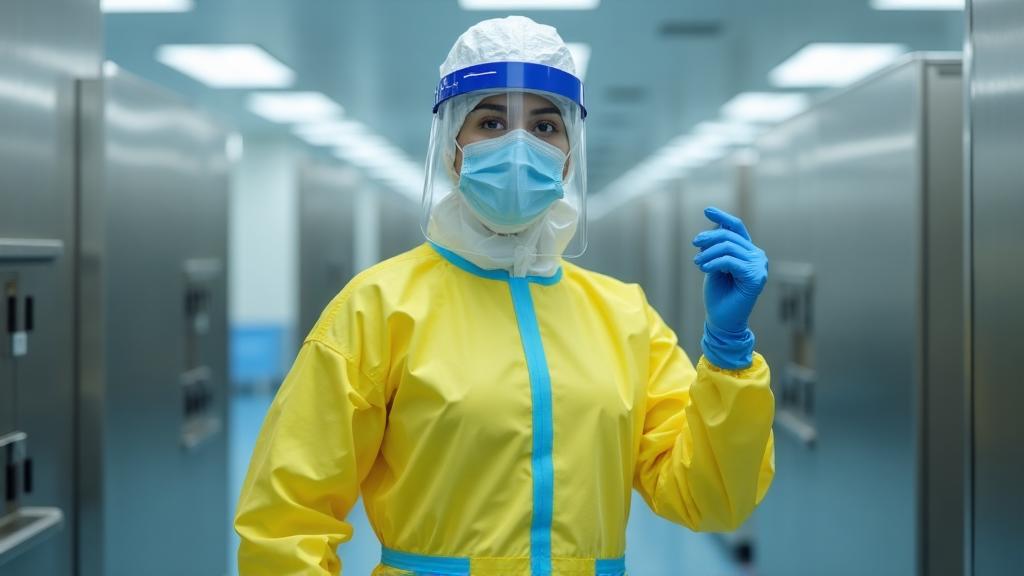
Head-to-Toe Zero-Gap Protection
Complete PPE integration for CSSD decontamination workflows


