

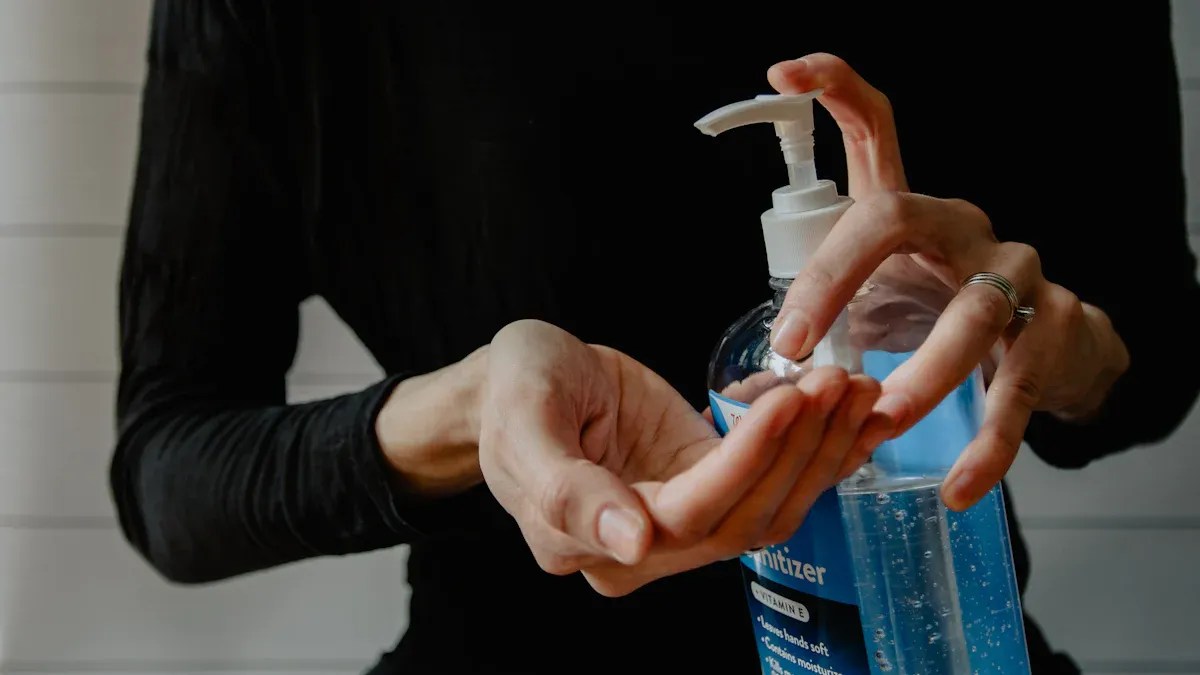
Elderly individuals face a heightened risk of infections, often due to weakened immune systems. In healthcare settings, this vulnerability becomes critical. Isolation gowns serve as a vital barrier, protecting both patients and healthcare providers from harmful pathogens. For instance, elderly patients in healthcare facilities experience healthcare-associated infections (HAIs) at a rate of 2.6%, with those aged 80 and above facing an even higher rate of 4.8%. Therefore, understanding how to manage elderly infection risks with isolation gowns for long-term care facilities is essential for improving patient safety and health outcomes.
Key Takeaways
-
Isolation gowns are essential for protecting elderly patients from infections in healthcare settings.
-
Proper gown usage significantly reduces the risk of transmitting harmful pathogens during patient care.
-
Follow strict protocols for donning and doffing gowns to prevent contamination and protect vulnerable patients.
-
Choose isolation gowns that meet at least AAMI Level 2 for adequate protection against common pathogens.
-
Hand hygiene is crucial and should always accompany gown usage to effectively prevent infection transmission.
Role of Isolation Gowns in Infection Control

How to Manage Elderly Infection Risks with Isolation Gowns
Isolation gowns play a critical role in preventing infections in long-term care facilities. These gowns act as a barrier against harmful pathogens, protecting both elderly patients and healthcare providers. When you wear an isolation gown, you significantly reduce the risk of transmitting infections. This is especially important in environments where vulnerable individuals reside.
In any nursing home or home care setting, elderly residents often require frequent patient care interventions, such as routine blood draws or the management of intravenous lines. These daily touchpoints, while necessary, create direct pathways for healthcare associated infections. The threat is particularly severe when dealing with highly contagious pathogens like Clostridium difficile (C. diff). In these scenarios, reliable personal protective equipment is non-negotiable. Utilizing high-quality isolation gowns ensures that frontline healthcare workers do not inadvertently become vectors, transferring dangerous bacteria from one resident’s room to another during their rounds.
Elderly patients face various infection risks, including:
|
Description |
|
|---|---|
|
Gastroenteritis |
Common in nursing homes, leading to severe illness. |
|
Influenza |
Seasonal outbreaks can cause severe complications. |
|
Respiratory infections |
Includes pneumonia, a leading cause of death among residents. |
|
Skin infections |
Often related to pressure ulcers and other skin issues. |
|
Soft-tissue infections |
Can arise from minor injuries or existing wounds. |
|
Urinary tract infections (UTIs) |
High incidence due to factors like catheter use and decreased mobility. |
|
Pneumonia |
Particularly common among residents with feeding tubes, leading to high mortality rates. |
|
Aspiration pneumonia |
Related to feeding difficulties and poor oral hygiene. |
|
Clostridium difficile |
Linked to antibiotic use, causing severe gastrointestinal issues. |
|
Norovirus |
Highly contagious, leading to gastrointestinal outbreaks. |
|
Pressure ulcers |
Result from immobility, requiring regular care to prevent infections. |
|
Cellulitis |
Bacterial skin infection often starting from minor injuries. |
|
Scabies |
Caused by mites, leading to skin rashes and itching. |
By using isolation gowns, you can effectively mitigate these risks. Gowns are essential for Contact Precautions, which prevent the transmission of infectious agents, such as multidrug-resistant organisms (MDROs). Every time you enter a resident’s room, wearing a gown and gloves is mandatory. This practice protects elderly patients from infections during high-contact care activities, especially for those with wounds or medical devices.
Proper gown usage protocols are vital for maximizing protection. Follow these steps to ensure effective use:
-
Enter the patient room and put on gloves and gown.
-
Provide care to the patient.
-
Remove gloves first and perform hand hygiene.
-
Remove the gown inside-out to avoid touching the outside.
-
Perform hand hygiene again.
-
Exit the room.
A recent study published in the American Journal of Infection Control found that 42% of hospital-acquired infections (HAIs) were linked to improper PPE handling. This statistic highlights the importance of adhering to proper protocols to prevent cross-contamination.
Risks of Contamination
Handling Extreme Pathogens and Cross-Contamination
The stakes of improper PPE removal cannot be overstated across all health care settings. When global health crises involve highly lethal viruses such as ebola hemorrhagic fever, even a microscopic error during the doffing process can result in a fatal transmission.
While long-term care facilities may not encounter hemorrhagic fevers daily, applying this extreme level of caution to common pathogens like C. diff or Norovirus drastically reduces cross-contamination. Treating every contaminated gown as a severe biological hazard trains staff to maintain muscle memory for flawless safety protocols.
Blood Borne Pathogens and Biological Contamination
In the realm of occupational safety, the hierarchy of controls dictates that when hazards cannot be eliminated, personal protective equipment is the crucial last line of defense. During routine care or invasive procedures like blood draws, healthcare providers are frequently exposed to unpredictable bodily fluids and microscopic blood droplets.
This exposure carries the severe risk of biological contamination from deadly blood borne pathogens, including hepatitis b, hepatitis c, and the human immunodeficiency virus (HIV). In these high-risk scenarios, whether in an intensive care unit or a long-term care facility, relying on standard uniforms is dangerous. Dedicated isolation gowns are engineered to block these exact viral threats.
Repeated donning and doffing of isolation gowns can lead to significant contamination risks. Each time you put on or take off a gown, you increase the chance of transferring pathogens. Studies show alarming statistics regarding gown usage:
|
Finding |
Percentage |
|---|---|
|
Healthcare workers (HCWs) grasping the front of the gown during doffing |
58% |
|
HCWs not removing the gown as recommended |
75% |
|
Contamination with Staphylococcus dermidis using recommended doffing sequence |
13% |
|
Contamination with fluorescent tracer using recommended doffing sequence |
80% |

These findings highlight the importance of following proper protocols. When you do not adhere to recommended practices, you risk exposing vulnerable patients to harmful pathogens.
Self-contamination is another critical concern. During gown removal, healthcare providers often make mistakes that lead to contamination. Research indicates that:
-
67% of healthcare workers made at least one error during Ebola Virus Disease (EVD) PPE doffing.
-
39% of healthcare workers made at least one error during contact precautions (CP) PPE doffing.
-
Common errors included touching outer gloves with inner gloved hands.
In total, contamination incidents occurred 65 times, averaging 2.2 incidents per participant. The most frequent sites for contamination included the neck, foot, and head.
To protect elderly patients effectively, you must remain vigilant. Always follow proper gown usage protocols and be aware of the risks associated with gown handling. Your diligence can significantly reduce the chances of infection transmission in healthcare settings.
Effectiveness of Gown Materials

When selecting isolation gowns, the material plays a crucial role in their effectiveness. Different materials offer varying levels of protection against pathogens. Here are some commonly used materials in isolation gowns:
|
Material |
|---|
|
Polypropylene |
|
CPE (cross-linked polyethylene) |
|
Kappler ProVent |
Each material has unique properties that affect its barrier performance. For instance, polypropylene gowns provide basic protection, while CPE gowns offer a higher level of fluid resistance. Understanding these differences helps you choose the right gown for specific care tasks.
The barrier properties of isolation gowns also vary significantly. Consider the following comparison:
|
Gown Type |
Material Composition |
Fluid Resistance |
Suitability |
|---|---|---|---|
|
Isolation Gown |
PP, PP+PE, SMS |
Lower than surgical gowns |
Basic care tasks, non-invasive procedures |
|
Surgical Gown |
SMS/SMMS/SMMMS Composite |
High efficiency |
High-risk invasive procedures, surgeries with exposure to blood |
Selecting gowns that meet the Association for the Advancement of Medical Instrumentation (AAMI) levels is essential for infection prevention. The AAMI classification system categorizes gowns based on their liquid barrier performance. Here’s a breakdown of the AAMI levels:
|
AAMI Level |
Description of Liquid Resistance |
|---|---|
|
Level 1 |
Least resistance |
|
Level 2 |
Low resistance |
|
Level 3 |
Moderate resistance |
|
Level 4 |
Highest resistance |

Choosing gowns that meet at least AAMI Level 2 is advisable for elderly care settings. This level provides adequate protection against common pathogens while ensuring comfort for both caregivers and patients.
Fabric Properties and AAMI Standards
The true protective power of medical gowns lies in their advanced manufacturing processes and specific fabric properties. To meet stringent AAMI standards, high-level gowns are often constructed from multilayered composite materials.
These fabrics undergo rigorous testing protocols established by the American Society for Testing and Materials (ASTM). For instance, laboratories use pressurized synthetic blood and surrogate viruses to test the surface tension and viral penetration resistance of the gown. Furthermore, top-tier protective clothing incorporates an ergonomic design with a secure belt tie, and uses fabrics that are both flame retardant and strictly latex free, ensuring uncompromised safety for all users.
The structural integrity of any protective apparel heavily relies on advanced fabric design. The way fibers are woven, bonded, or coated dictates their ability to repel fluids while maintaining breathability.
It is crucial to match the fabric’s capabilities with the clinical environment. For example, while a heavy-duty, Level 4 surgical gown is specifically engineered to withstand the rigorous, high-pressure blood exposures of an operating theatre, a long-term care facility might prioritize a lightweight, Level 2 gown that offers a better balance of fluid resistance and daily comfort for routine resident care.
Essential Gown Features for Resident Care
When selecting protective equipment for long term care facilities, administrators must look beyond basic barrier protection. The daily comfort of the staff directly impacts the quality of patient care.
Opt for disposable isolation gowns crafted from lightweight, water resistant materials that offer breathable comfort during extended shifts. Key features to look for include universal sizing for quick deployment, and snug elastic cuffs (or knit cuffs) that secure seamlessly under gloves. Most importantly, ensure that the ppe gowns are 100% latex free to prevent allergic reactions among sensitive elderly individuals and staff members.
Best Practices for Gown Usage
The Centers for Disease Control and Prevention (CDC) explicitly warns that hospital gowns are only effective when used as part of a comprehensive infection prevention strategy. During outbreaks of pandemic influenza or other emerging infectious diseases, a single use gown must be paired with other critical protective equipment, such as N95 respirators and high-filtration face masks.
Mastering the precise sequence for donning and doffing is vital to prevent infection transmission. Proper training ensures that pathogenic microorganisms collected on the gown’s exterior are not transferred to the wearer’s skin or clothes during removal.
Using isolation gowns correctly is essential for protecting elderly patients from infections. Follow these guidelines for proper donning and doffing techniques:
-
Gather Your PPE: Identify and gather the appropriate personal protective equipment (PPE), ensuring you have the correct gown size.
-
Perform Hand Hygiene: Clean your hands thoroughly with soap and water or hand sanitizer before putting on the gown.
-
Put on the Isolation Gown: Slip into the gown and tie all ties securely to ensure full coverage.
-
Wear a Respirator: Put on an N95 respirator or higher, ensuring it fits snugly and seals properly.
-
Add Eye Protection: Wear a face shield or goggles, making sure they do not interfere with the respirator.
-
Don Gloves: Put on gloves that cover the cuffs of the gown.
-
Enter the Patient’s Room: Now you are ready to provide care.
When you finish providing care, follow these steps to remove your PPE safely:
-
Remove Gloves: Take off your gloves without contaminating your hands.
-
Carefully Remove the Gown: Avoid forceful movements. Roll the gown inward to contain any soiled surfaces and dispose of it properly.
-
Exit the Patient’s Room: Leave the room while ensuring you do not touch any surfaces.
-
Perform Hand Hygiene Again: Clean your hands immediately after exiting.
-
Remove Eye Protection: Take off the face shield or goggles by the strap, avoiding contact with the front.
-
Remove the Respirator: Take off the respirator by the straps without touching the front.
-
Final Hand Hygiene: Clean your hands once more after removing the respirator.
Tip: Improper gown removal can lead to contamination, increasing the risk of infection spread among elderly patients. Monitoring videos have shown that gowns are often not rolled away gently, which fails to contain the soiled surface inward. Vigorous movements during gown removal can result in inadequate containment of the gown’s outside surface.
Hand hygiene plays a crucial role in conjunction with isolation gown usage. It is recognized as the most effective and cost-efficient measure to prevent infection transmission, especially among vulnerable populations like the elderly. However, compliance issues persist. Studies show that average compliance with hand hygiene among healthcare workers is only 30%-50%. This low adherence can lead to increased infection rates. The CDC emphasizes a two-tiered structure for isolation precautions, highlighting the importance of hand hygiene alongside gown usage to reduce infection risks.
|
Evidence Type |
Description |
|---|---|
|
Hand Hygiene |
Recognized as the most effective and cost-efficient measure to prevent infection transmission, especially in vulnerable populations like the elderly. |
|
Compliance Issues |
Average compliance with hand hygiene among healthcare workers is only 30%-50%, which can lead to increased infection rates. |
|
Isolation Precautions |
The CDC recommends a two-tiered structure for isolation precautions, emphasizing the importance of hand hygiene in conjunction with gown usage to reduce infection risks. |
By following these best practices, you can significantly enhance the safety of elderly patients in your care. Remember, proper gown usage and hand hygiene are vital components of effective infection control.
Isolation gowns play a critical role in protecting elderly patients from infection risks. You must recognize their importance in healthcare settings. Proper usage of these gowns can significantly reduce the transmission of harmful pathogens.
Consider the costs: using gowns and gloves for all residents can increase expenses to $223 per resident over 28 days. This represents a 123% increase compared to standard precautions. Investing in isolation gowns is essential for safeguarding the health of vulnerable populations.
By adhering to best practices, you ensure maximum protection for those in your care.
Standardizing PPE Across Medical Facilities
When hospital administrators and nursing home directors evaluate their overarching budget for medical equipment, personal protective equipment is a recurring and highly critical expense. Treating PPE procurement with the same strategic importance as purchasing durable medical devices ensures stable facility operations.
By standardizing the procurement of high-quality disposable gowns across all departments, facilities not only simplify their supply chain but also guarantee that staff are universally protected by consistent, reliable barriers, regardless of which wing or clinic they are assigned to.
Maintaining high workplace safety and consistent ppe standards is critical not just for nursing homes, but across all medical facilities, outpatient centers, and even high-volume veterinary clinics.
To streamline operations and maintain robust infection control, facility managers should consider standardizing their inventory. Sourcing disposable medical gowns in bulk packs ensures that you always have an adequate supply of level 2 equivalent or higher protection on hand. This strategic procurement approach eliminates supply chain anxiety and guarantees that your staff is always prepared for any emergency response services or sudden outbreak protocols.
FAQ
What are isolation gowns made of?
Isolation gowns typically consist of materials like polypropylene, CPE, or SMS. These materials provide varying levels of protection against pathogens and fluids.
When should you wear an isolation gown?
You should wear an isolation gown when providing care to elderly patients, especially during high-contact activities or when handling contaminated materials.
How do isolation gowns prevent infections?
Isolation gowns act as a barrier, preventing the transfer of harmful pathogens from healthcare providers to patients and vice versa.
Are isolation gowns reusable?
Most isolation gowns are disposable. However, some gowns are designed for limited reuse. Always follow facility guidelines regarding gown usage.
What is the importance of proper gown removal?
Proper gown removal prevents self-contamination. Following correct procedures reduces the risk of spreading infections to vulnerable patients.
Why should care facilities buy disposable isolation gowns in bulk packs?
Purchasing in bulk packs ensures that long term care facilities maintain a steady, cost-effective supply of personal protective equipment. This prevents dangerous shortages during unexpected outbreaks, guaranteeing continuous workplace safety and uninterrupted patient care.
What does the Centers for Disease Control and Prevention recommend for gown usage?
The Centers for Disease Control and Prevention emphasizes that hospital gowns should be utilized as a core component of a broader infection prevention protocol. This includes proper hand hygiene, strictly following the sequence for donning and doffing, and combining gowns with appropriate face masks and eye protection depending on the transmission risk.
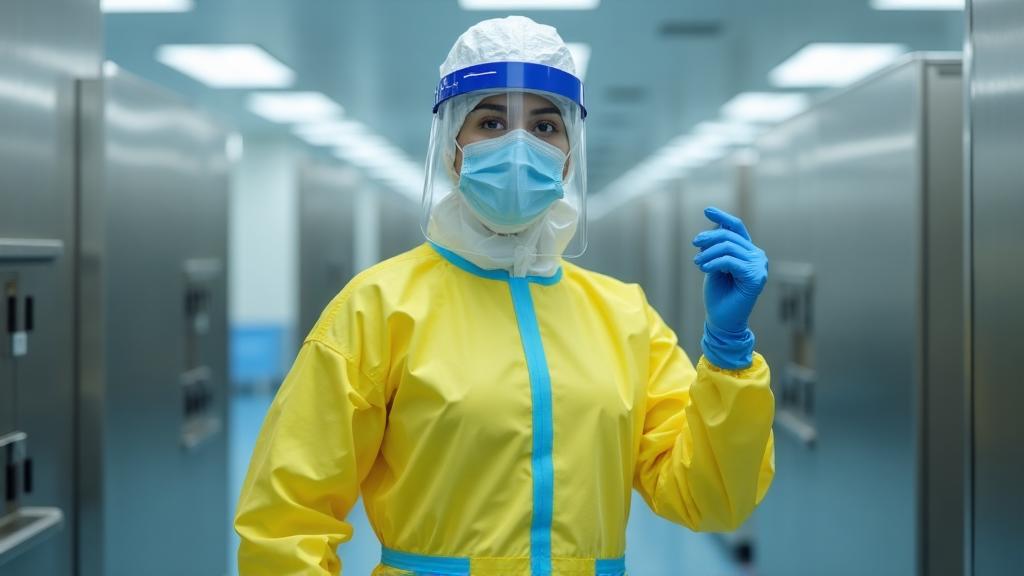
Head-to-Toe Zero-Gap Protection
Complete PPE integration for CSSD decontamination workflows


