

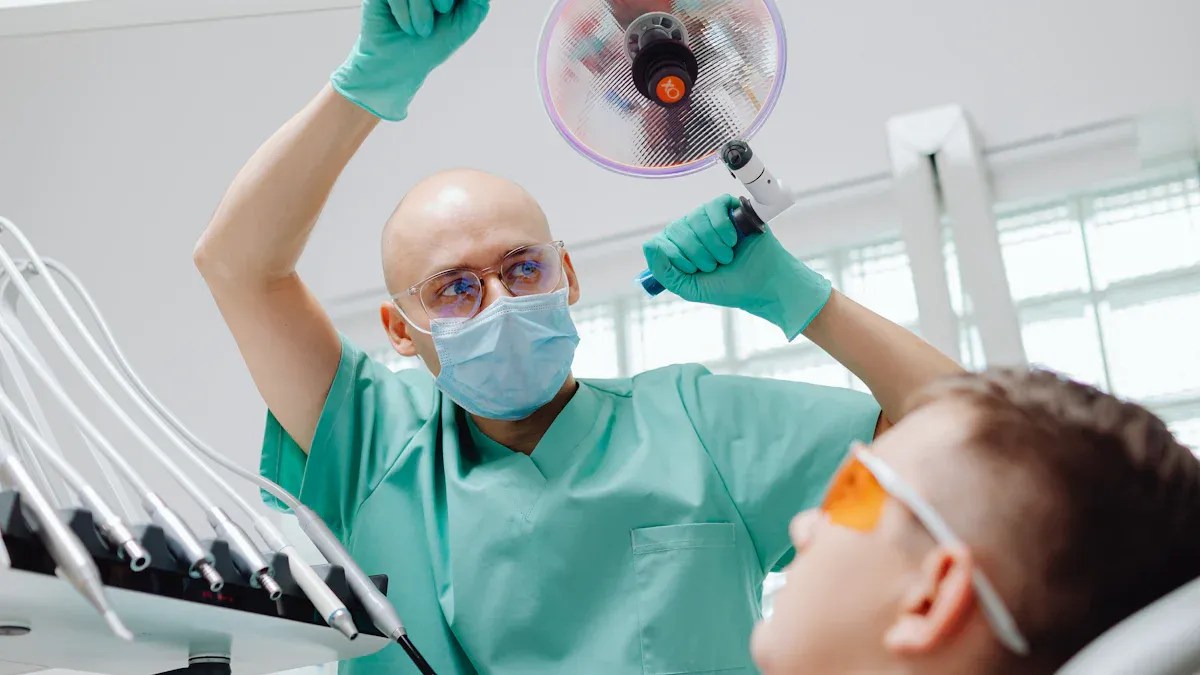
Isolation gowns play a crucial role in dental safety by preventing the spread of infections and protecting you from harmful pathogens. Customized isolation gowns enhance this effectiveness, as a tailored fit ensures comfort and mobility, allowing you to focus on your work. Additionally, specific features can provide extra protection against aerosols and other contaminants. Therefore, understanding how to optimize dental safety with customized isolation gowns for aerosol management can significantly improve your practice’s safety standards.
Key Takeaways
-
Customized isolation gowns enhance dental safety by providing a tailored fit that improves comfort and mobility during procedures.
-
Wearing isolation gowns significantly reduces the risk of infection by acting as a barrier against harmful pathogens and aerosols.
-
Proper usage of gowns, including correct donning and doffing techniques, is essential for maximizing protection and maintaining hygiene.
-
Adhering to OSHA standards and industry guidelines ensures that isolation gowns meet safety requirements, protecting both dental professionals and patients.
-
Investing in high-quality, customized gowns can improve compliance with safety protocols and contribute to a safer dental practice.
Role of Isolation Gowns

Infection Control
Isolation gowns play a vital role in infection control within dental practices. They help reduce contamination risks by acting as a barrier between you and potential pathogens. Research shows that using front-closed isolation gowns significantly lowers bacterial contamination among dental students during clinical procedures. This evidence highlights the importance of proper protective equipment in minimizing the transmission of harmful microorganisms, such as Staphylococcus aureus.
But the threat doesn’t stop there. Dental settings are uniquely vulnerable to other bloodborne and respiratory pathogens, including hepatitis B and C, the herpes simplex virus, and Mycobacterium tuberculosis. The clinical environment harbors various staphylococci strains and Pseudomonas aeruginosa, which can easily form a stubborn biofilm inside moist environments like dental unit water lines (DUWL). If these Waterlines experience a Backflow event, it can release Legionella pneumophila, drastically increasing the risk of sudden viral contamination and severe air borne infections.
Furthermore, dentistry inherently involves close contact. When a patient starts sneezing or coughing during a procedure, the high-speed rotation of dental tools causes massive aerosolization. This action whips saliva and invisible traces of blood into a fine, highly infectious mist and dangerous splatter. In these high-risk moments, an isolation gown acts as your very first line of physical defense against highly contagious respiratory threats, including the SARS-CoV-2 virus, halting aerosol transmission in its tracks.
The sleeves and pockets of gowns often become the most contaminated areas, making it crucial for you to wear protective gear consistently. To further understand the sources of infection in dental settings, consider the following:
-
High risk of exposure to respiratory droplets and aerosols
-
Microorganisms present in blood and saliva
-
Pathogens transmitted through droplets and aerosols
-
Potential for indirect contact transmission via contaminated instruments
Protection for Professionals
Isolation gowns also provide essential protection for dental professionals. They serve as a barrier against infectious materials during procedures. Dental work often involves tools that create sprays containing saliva, blood, and microorganisms. This exposure can put you at risk of contracting various pathogens. By wearing isolation gowns, you significantly reduce the chances of cross-contamination and protect yourself from potentially infectious materials.
It is critical to remember, however, that an isolation gown does not work in a vacuum. To build an impenetrable wall of safety, dental-care workers must pair their gowns with personal protective equipment designed for the face and airway. This includes a NIOSH-approved N95 respirator, standard surgical masks, a high-visibility clara mask, or a full face shield to create a truly comprehensive safety shield. Healthcare institutions must provide the necessary financial and logistical support to ensure their staff has access to this complete PPE toolkit. In fact, clinical observations from leading dental research hubs in Philadelphia and other major academic centers continually underscore that strict, well-supported adherence to full-body protective gear is non-negotiable for long-term occupational health.
Here are some key ways isolation gowns protect you:
-
They prevent direct contact with infectious materials during dental procedures.
-
They shield you from exposure to pathogens found in sprays and aerosols.
-
They help maintain a safe environment for both you and your patients.
Benefits of Customized Isolation Gowns

Fit and Comfort
Customized isolation gowns offer significant advantages in fit and comfort, which are essential for dental professionals during procedures. A well-fitted gown allows you to move freely without restrictions. This freedom is crucial when performing intricate dental tasks. Independent studies show that gowns designed for better fit, including features that allow easy removal and increased snugness at the wrist, can significantly enhance mobility and reduce contamination risks.
Moreover, a 2023 study published in the Journal of Clinical Nursing indicated that 89% of dental practitioners experienced improved compliance with PPE protocols when utilizing gowns designed with ergonomic features, such as laser-perforated seams and adjustable neck closures. These features not only enhance comfort but also ensure that you can focus on your work without distractions.
Here are some key benefits of customized isolation gowns regarding fit and comfort:
-
Improved Material Selection: Custom gowns can be made from fluid-resistant and breathable fabrics, enhancing comfort and protection.
-
Better Fit and Sizing: Customization allows for a range of sizes and adjustable features, ensuring adequate protection and comfort.
-
Enhanced Branding: Custom colors and logos can improve identification and team cohesion within dental environments.
-
Environmental Considerations: Custom gowns can be made from biodegradable materials, appealing to sustainability-focused practices.
Enhanced Protection Features
Customized isolation gowns also incorporate enhanced protection features that are vital in a dental setting. These gowns often feature dual-layer polypropylene fabric with an anti-static coating, providing protection against fluids and particles while maintaining breathability. Knitted cuffs ensure a secure fit, and wrap-around waist ties allow for easy adjustments, enhancing comfort and practicality during procedures.
The importance of these features cannot be overstated. They help you maintain a safe environment while minimizing the risk of exposure to harmful pathogens. By investing in customized gowns, you not only protect yourself but also contribute to the overall safety of your patients.
How to Optimize Dental Safety with Customized Isolation Gowns for Aerosol Management?
Material and Design
When selecting customized isolation gowns for aerosol management, consider several key factors. The right materials and design can significantly enhance your protection during dental procedures. Here’s a breakdown of essential considerations:
|
Consideration |
Description |
|---|---|
|
Fluid Resistance |
High fluid barrier performance is crucial for treatments generating aerosols. |
|
Comfortable Fit |
A well-fitting gown enhances comfort and mobility during procedures. |
|
Breathable Materials |
Breathability is essential to prevent heat buildup during longer treatments. |
|
Easy Donning & Doffing |
Gowns with adjustable closures improve efficiency and hygiene. |
|
Compliance with Standards |
Gowns must meet Australian standards for PPE and infection control. |
Choosing gowns made from breathable and fluid-resistant materials ensures you stay comfortable while minimizing the risk of aerosol exposure. For example, non-woven laminated textiles with polyethylene have proven effective against aerosols. The data backing the efficacy of these advanced materials isn’t just anecdotal; it is heavily supported by extensive, peer-reviewed literature reviews easily verifiable through academic databases like google scholar.
In contrast, SMS fabrics may not provide adequate protection despite being water-repellent. Understanding these material specifications is vital for your safety. Furthermore, it is important to look at the bigger picture: pairing high-quality, fluid-resistant gown materials with clinical-grade hepa air purification systems in your clinic will optimize your overall aerosol defense, creating the safest possible breathing zone.
Source Control: Managing Aerosols at the Operatory
While high-quality gowns protect the worker, stopping aerosols at the source is the ultimate defense. Dental procedures involving an ultrasonic scaler—whether a magnetostrictive ultrasonic scaler or a piezoelectric ultrasonic scaler—generate massive clouds of aerosol droplets. This is especially true during Advanced Root Instrumentation, routine Ultrasonic scaling, and the preparation of infected root surfaces.
To effectively combat this, aerosol management requires the mandatory use of robust evacuation devices alongside modern ultrasonic scaling devices. Standard Saliva Ejectors are insufficient on their own; they must be paired with a High-volume Evacuator (HVE system / HVEs) or similar powerful aspiration devices to capture spray before it hits your gown. Furthermore, isolating the surgical field using rubber dams (specifically disposable rubber dams) or an advanced Isolite system, combined with anti-suction turbo dental handpieces and extraoral vacuum aspirators (EOVA), will drastically reduce the ambient threat.
Proper Usage Techniques
Proper usage of customized isolation gowns is just as important as their material and design. Follow these best practices to maximize your protection against aerosols:
-
Donning the Gown: Always put on a clean gown before patient contact. This ensures adequate coverage and minimizes exposure to aerosols.
-
Doffing the Gown: After procedures, dispose of disposable gowns or launder washable ones to maintain hygiene and prevent transmission.
-
Choosing the Right Gown: Use disposable gowns for procedures with a higher risk of fluid exposure. For routine tasks, washable gowns may balance safety with sustainability.
Beyond basic donning and doffing, how you maneuver around the operatory matters. Implementing four-handed operations or a six-handed operation drastically limits the dentist’s need to reach across the room, thereby shrinking the zone of aerosol contamination and keeping the gown from unnecessary exposure.
Training protocols also play a crucial role in ensuring proper gown usage among dental staff. Key elements include:
|
Description |
|
|---|---|
|
Education and Training |
Essential for understanding and practicing Standard and Transmission-Based Precautions. Should be provided during orientation and updated as necessary. |
|
Importance of Scientific Rationale |
Understanding the reasons behind precautions allows for correct application and adaptation to changing circumstances. |
|
Availability of Gown Sizes |
Multiple sizes should be available to ensure proper coverage for all staff members. |
|
Proper Removal of Gowns |
Gowns should be removed in a way that prevents contamination of clothing or skin, with specific techniques outlined. |
By following these guidelines, you can enhance your safety and that of your patients during aerosol-generating procedures.
Complementary Disinfection Protocols
While proper gown usage is a cornerstone of dental safety, aerosol management cannot rely on wearable PPE alone. To create a truly secure clinical environment, customized gowns must be supported by a robust, multi-layered cleaning strategy:
-
Patient Pre-Treatment: To stop aerosols at the source, actively lower the bacterial load in a patient’s mouth before the drill even turns on. Implement a mandatory pre-procedural mouthrinse or preoperative gargling using chlorhexidine gluconate or povidone-iodine to significantly reduce the microorganisms expelled into the air.
-
Environmental and Surface Disinfection: During the downtime between patient visits, staff must meticulously execute surface disinfection across the dental operatory. Wipe down dental chairs, the operator chair, light-curing units, and every radiographic device (including dental panoramic radiography and general dental radiology stations). Use hospital-grade disinfectants like sodium hypochlorite, isopropyl alcohol, or trusted industry brands like CaviWipes and DisCide ULTRA. Don’t forget to flush suction circuit pipes and wipe composite resin tubes.
-
Air Quality Management: To manage aerosol pollution and improve overall air pollution control, clinics should utilize HEPA air filtration systems or install ultraviolet (UV-C) / UV irradiation disinfection equipment in the HVAC pathways.
-
Instrument Processing: Proper disinfection of dental instruments is vital. Once a procedure is complete, utilize an instrument management system. All reusable gear—including delicate endodontic instruments—must be immediately secured in protective Cassettes (such as those from the HuFriedyGroup) and processed through a sterilizer or autoclave (like the AdvantaClear system) for absolute sterilization without exposing staff to needle sticks.
Compliance with Safety Regulations
Understanding OSHA Standards
You must understand the Occupational Safety and Health Administration (OSHA) standards related to isolation gowns. OSHA emphasizes the importance of these gowns in infection control within dental settings. They serve as a barrier against harmful microorganisms, protecting both you and your patients. According to OSHA regulations, specifically under 29 CFR 1910.1030(d)(3), employers must provide suitable personal protective equipment (PPE) at no cost to employees. This includes gowns or lab coats when there is a risk of exposure to blood, saliva, or other potentially infectious materials, which is common in dental practices.
OSHA also specifies that protective clothing must cover your arms, torso, and clothing. This coverage acts as a barrier against biohazard materials, preventing the transfer of microorganisms and body fluids during procedures. Adhering to these standards is essential for maintaining a safe environment. You must also align with strict infection prevention mandates from the Centers for Disease Control and Prevention (CDC), ensuring your practice handles the disposal of contaminated gowns according to local health code regulations and comprehensive medical waste management laws for hazardous medical waste.
Industry Guidelines
Staying updated with industry guidelines is equally important. Various organizations provide standards for the selection and use of isolation gowns in dental environments. Here are some key guidelines:
|
Organization |
Guideline |
Description |
|---|---|---|
|
ASTM International |
Isolation Gown Standards |
Specifies material, fluid resistance, and design requirements for gowns used in healthcare, including dental settings. |
|
FDA |
Gown Regulations |
Ensures gowns meet safety and effectiveness criteria for infection control in medical environments. |
|
AAMI |
ANSI/AAMI PB70:2012 |
Provides standards for liquid barrier performance and gown protection levels, crucial for dental procedures. |
Following these guidelines helps ensure that you use gowns that provide adequate protection against infectious materials. Research shows that adherence to these standards improves safety outcomes in dental clinics. For example, a study during the COVID-19 pandemic revealed gaps in safety practices, indicating that many dental staff did not follow prevention protocols adequately. This highlights the necessity for enhanced education and adherence to safety measures.
By understanding OSHA standards and keeping up with industry guidelines, you can significantly enhance safety in your dental practice.
Patient Management and Clinic Policies
Implementing rigorous safety protocols doesn’t just protect staff; it profoundly impacts the patient experience. In modern dental clinics and oral hospitals, prioritizing Dental Office Safety directly addresses Patient Concerns and significantly reduces patient complaints prior to patient discharge. When patients see you meticulously managing safety during routine dental procedures or a high-stress dental emergency, their trust in your dental practice skyrockets.
During times of heightened public health alerts, standard clinic policies may require additional administrative layers. Clinics might implement rules verifying COVID-19 vaccination status, requiring nucleic acid testing, or utilizing communication big data trip cards to track exposure risks before a patient even sits in the chair. The science backing these strict measures is vast; a review of any recent microbiological study and microbial isolations published by respected medical publishers like Lippincott Williams Wilkins proves the necessity of these protocols. Even modern diagnostic workflows involving cone beam computed tomography (CT reports) are now conducted under stricter sanitation protocols to ensure absolute clinical safety from the waiting room to the operatory.
In summary, customized isolation gowns play a vital role in enhancing dental safety. They provide essential protection against pathogens and improve comfort during procedures. By focusing on fit, material, and proper usage, you can significantly reduce contamination risks.
Remember: Adhering to OSHA standards and industry guidelines ensures you maintain a safe environment for both yourself and your patients. Embrace these best practices to elevate your dental practice’s safety standards!
FAQ
What materials are best for customized isolation gowns?
You should choose gowns made from fluid-resistant and breathable materials. Non-woven laminated textiles and dual-layer polypropylene fabrics offer excellent protection against aerosols while ensuring comfort during procedures.
How often should I replace my isolation gown?
Replace your isolation gown after each patient contact or if it becomes visibly soiled. Regularly inspect gowns for wear and tear to maintain optimal protection.
Can I wash and reuse isolation gowns?
Yes, you can wash and reuse isolation gowns if they are labeled as washable. Follow the manufacturer’s instructions for cleaning to ensure they maintain their protective qualities.
Are customized isolation gowns more expensive?
Customized isolation gowns may have a higher upfront cost, but they provide better fit and protection. Investing in quality gowns can reduce contamination risks and improve safety in your practice.
How do I ensure proper gown usage among my staff?
Provide training on donning and doffing techniques. Regularly review protocols and emphasize the importance of wearing gowns during procedures to maintain a safe environment.
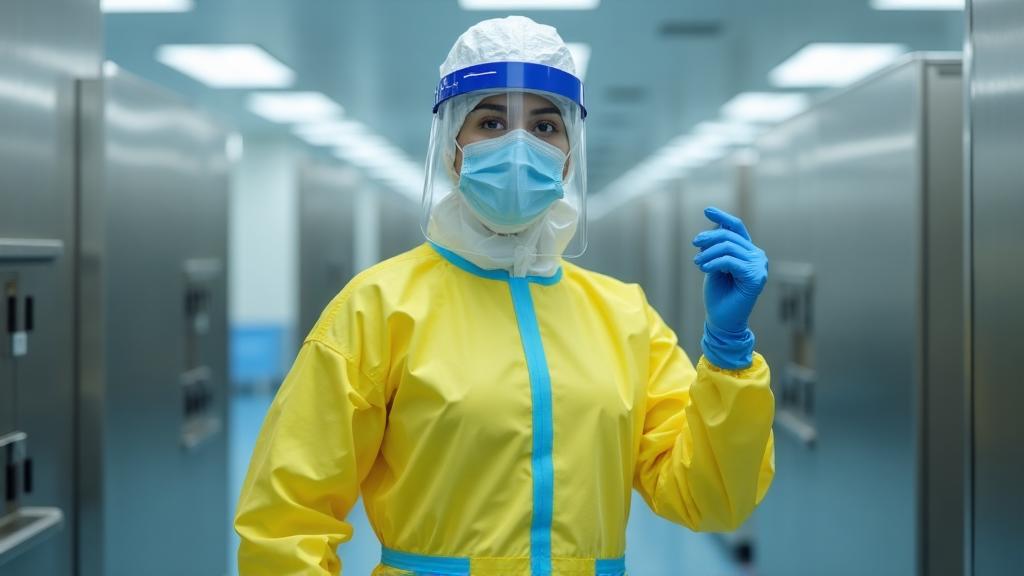
Head-to-Toe Zero-Gap Protection
Complete PPE integration for CSSD decontamination workflows


