

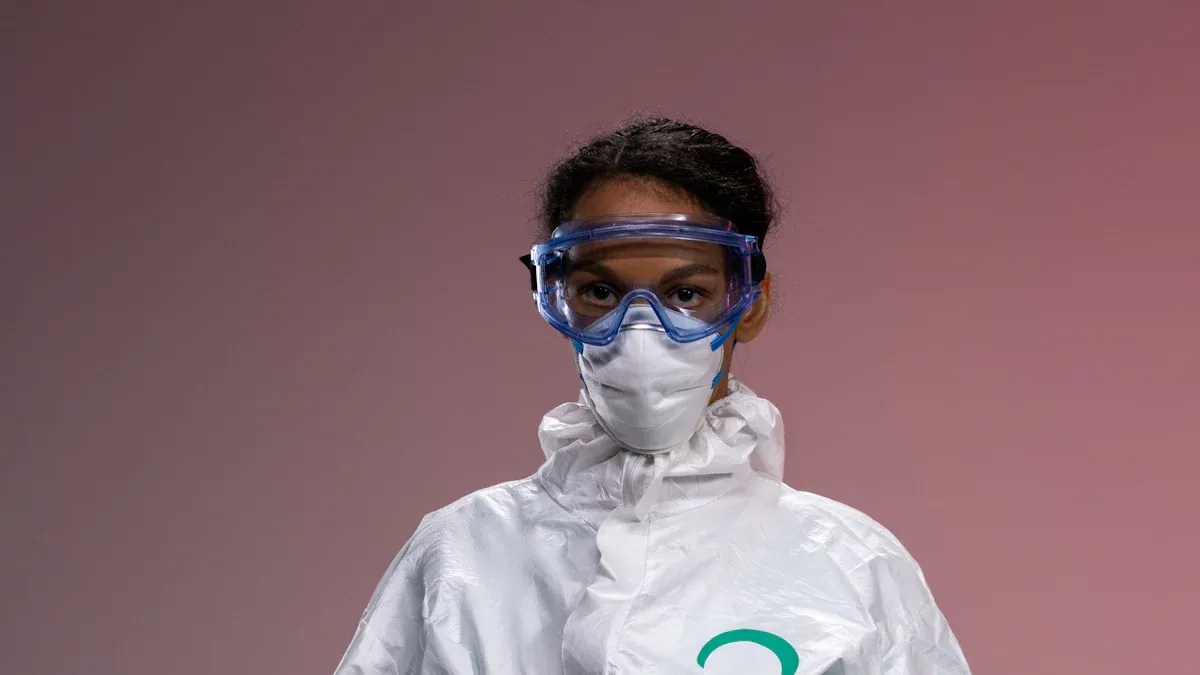
ASTM F1671 gowns play a crucial role in how to prevent cross-contamination using ASTM F1671 viral barrier gowns in healthcare settings. These gowns provide a reliable barrier against pathogens, significantly reducing the risk of infections. Recent studies indicate that switching to single-use gowns can lead to a 40% reduction in contamination issues. In fact, contamination rates of non-invasive portable clinical items can range from 23% to 100%. Proper usage of these gowns is essential, and you must ensure that you follow guidelines to maximize protection and minimize risks.
Key Takeaways
-
Level 4 gowns provide the highest protection against viral and liquid penetration, making them essential for high-risk medical procedures.
-
Proper donning and doffing techniques are crucial. Follow the steps carefully to minimize contamination risks.
-
Regular training for staff on gown usage enhances compliance and safety, significantly reducing infection rates.
-
Adhere to ASTM F1671 standards to ensure gowns effectively protect against bloodborne pathogens.
-
Store and maintain gowns properly to preserve their protective qualities and ensure they remain effective.
ASTM F1671 Standards

Importance of ASTM F1671
ASTM F1671 is a critical standard for selecting protective gowns in healthcare settings. Following FDA guidance, choosing the right barrier is a non-negotiable safety standard in the medical field. This standard evaluates the resistance of protective clothing materials to viral penetration. By adhering to ASTM F1671, you ensure that the gowns you choose provide adequate protection against bloodborne pathogens and other dangerous pathogenic microorganisms.
Ensuring your product meets these stringent ASTM safety standards guarantees reliable barrier protection. This means the garment maintains exceptional liquid barrier performance even under pressure. The testing process simulates viral penetration using a surrogate microbe, specifically the Phi-X174 bacteriophage.
This bacteriophage is similar in size and shape to deadly viruses like the Hepatitis C virus, Hepatitis B virus, and Human immunodeficiency virus (HIV). The results from these tests guide you in selecting gowns that effectively prevent viral transmission.
|
Aspect |
Details |
|---|---|
|
Testing Method |
ASTM F1671 |
|
Surrogate Microbe |
Phi-X174 Bacteriophage |
|
Similar Viruses |
Hepatitis C Virus (HCV), Hepatitis B Virus (HBV), Human Immunodeficiency Virus (HIV) |
|
Purpose |
Assess resistance of protective clothing materials to viral penetration |
Understanding Different Gown Levels (Level 1 to 3 vs. Level 4)
Before diving into the highest tier of protection, it is important to understand the baseline. Level 1, Level 2, and Level 3 gowns are typically evaluated using hydrostatic pressure tests to measure their resistance to fluids. These lower-tier garments are often used as standard isolation gowns, general medical gowns, or basic hospital gowns for minimal to moderate fluid exposure. However, when it comes to major surgery or environments with a high risk of blood exposure, these lower levels do not offer the viral barrier required to keep healthcare workers completely safe.
The ANSI/AAMI PB70 Framework
To fully grasp these levels, the medical community relies on the ANSI/AAMI PB70 guidelines (often referred to simply as the AAMI standard or ANSI/AAMI). The ANSI framework establishes objective barrier protection levels based on anticipated fluid exposure risk. When evaluating gown classification for Levels 1 through 3, the focus is largely on basic disposable patient gowns and standard disposable medical isolation gowns (widely marketed as Medical Isolation Gowns). To determine overall gown performance, testers measure impact penetration and fluid strikethrough. If a gown passes these tests, it proves it can handle basic fluid contact—but not necessarily viral penetration under pressure.
Key Features of Level 4 Gowns
Level 4 gowns stand out due to their superior protection against viral penetration. These gowns undergo rigorous testing to ensure they meet the highest standards of safety. Here are some key features that distinguish Level 4 gowns from lower-level options:
|
Feature |
Level 4 Gowns |
Lower-Level Gowns (1, 2, 3) |
|---|---|---|
|
Prevents all fluid penetration for up to 1 hour |
Not impermeable to viral penetration |
|
|
Testing Standard |
Tested for viral penetration resistance using ASTM F1671 |
Tested only for water resistance |
|
Protection Level |
Considered impermeable to viral penetration |
Provides increasing resistance to liquids |
Using Level 4 gowns is essential in high-risk medical procedures. These gowns are designed with multi-layer nonwoven fabric, offering strength and fluid resistance. They provide a high fluid and viral barrier while ensuring comfort and breathability during long procedures.
The documented benefits of using Level 4 gowns include:
-
Multi-layer nonwoven fabric for enhanced strength and fluid resistance.
-
High fluid and viral barrier with advanced polymer layers.
-
Comfort and breathability during extended use.
You should consider Level 4 gowns for procedures such as:
-
Trauma and transplant surgeries
-
Cardiac and orthopedic operations
-
Neurosurgery and long-duration procedures
-
Infectious disease control and isolation units
-
Emergency response and ICU interventions
Global Standard Comparisons: AAMI vs. EN Norms
When selecting a high-tier Sterile surgical gown, evaluating the material quality is paramount. Top-tier garments utilize advanced fluid resistant materials, typically engineered from NON-WOVEN polypropylene or multi-layered SMS fabric. But how does this stack up internationally? A Level 4 gown under American AAMI standards offers a comparable—and sometimes superior—level of protection to European en 13795 high-performance gowns. In extreme high-risk scenarios involving severe biohazards, facilities might also look toward full-body EN14126 Class 5-6 protective suits or en14126 Class 5-6 coveralls to ensure maximum viral defense.
By understanding the importance of ASTM F1671 and the features of Level 4 gowns, you can make informed decisions that enhance safety and reduce the risk of cross-contamination in healthcare environments.
How to Prevent Cross-Contamination Using ASTM F1671 Viral Barrier Gowns

Steps for Donning Gowns
Properly donning your ASTM F1671 gown is crucial for preventing cross-contamination. Follow these steps to ensure you put on the gown correctly:
-
Prepare Your Area: Start in a clean area. Ensure you have all necessary supplies within reach.
-
Wash Your Hands: Use soap and water or hand sanitizer to clean your hands thoroughly.
-
Inspect the Gown: Check for any damage or contamination before use.
-
Put on Gloves: Wear gloves before donning the gown. This adds an extra layer of protection.
-
Wear the Gown: Slip your arms into the sleeves and tie the gown securely at the back. Ensure it covers your body completely.
-
Adjust the Fit: Make sure the gown fits snugly around your wrists and neck to prevent exposure.
Steps for Doffing Gowns
Doffing your gown correctly is just as important as donning it. Improper removal can lead to self-contamination. Here’s how to do it safely:
-
Remove Gloves First: Grasp the outside of one glove with the opposite hand and peel it off. Hold the removed glove in your gloved hand. Slide your fingers under the remaining glove and peel it off, encasing the first glove inside it. Dispose of both gloves properly.
-
Unfasten the Gown: Untie the gown at the back without touching the front of the gown.
-
Remove the Gown: Pull the gown away from your body, turning it inside out as you remove it. Avoid touching the outer surface.
-
Dispose of the Gown: Place the gown in the designated waste container.
-
Wash Your Hands: Clean your hands thoroughly after doffing the gown.
Tip: Pay special attention to the legs and abdomino-pelvic areas during doffing. This is where contamination risks are highest. Consider wearing protective trousers or aprons for added safety.
Best Practices for Gown Usage
To maximize the effectiveness of your ASTM F1671 gowns, follow these best practices:
-
Use Gowns with Gloves: Studies show that using gowns in conjunction with gloves reduces cross-transmission. While some research indicates that gowns alone may not enhance protection, combining them with gloves significantly lowers infection risks. For example, Klein et al. noted a reduction in nosocomial infections when high-barrier gowns and gloves were used together.
-
Ensure Proper Fit: Gowns and gloves should fit well. A proper fit ensures effective protection against pathogens.
-
Follow Infection Control Protocols: Front-line healthcare providers must view this apparel as a non-negotiable element of standard precautions. Depending on the specific healthcare scenarios, always adhere to local infection control guidelines to select the right Protective Products. Whether utilizing standard disposable isolation gowns, ASTM-rated surgical gowns, or full-body coveralls, making the correct choice is a primary defense against deadly surgical site infections. Ensure gowns are impermeable against bloodborne pathogens.
-
Regular Training: Participate in training sessions to stay updated on best practices for gown usage and infection control.
By following these steps and best practices, you can effectively prevent cross-contamination in healthcare settings. Proper gown usage is essential for maintaining a safe environment for both patients and healthcare workers.
Maintenance and Care
Cleaning Procedures
To maintain the effectiveness of your ASTM F1671 gowns, follow proper cleaning procedures. If you use reusable gowns, ensure you clean them according to the manufacturer’s instructions. Here are some general steps:
-
Remove Gloves First: Grasp the outside of one glove with the opposite hand and peel it off. Hold the removed glove in your gloved hand. Slide your fingers under the remaining glove and peel it off, encasing the first glove inside it. Dispose of both gloves properly.
-
Wash: Use a washing machine with hot water and a mild detergent. This helps eliminate pathogens.
-
Dry: Dry the gown completely in a dryer on high heat to ensure all bacteria are killed
Tip: Always check the care label for specific cleaning instructions to avoid damaging the gown.
Storage Guidelines
Proper storage of your gowns is essential to prevent degradation of their protective properties. Store disposable protective clothing in a cool, dry place. Keep them away from direct sunlight or heat. This helps maintain their integrity and effectiveness.
Here are some additional storage tips:
-
Avoid damp areas: Moisture can compromise the gown’s barrier properties.
-
Use sealed containers: Store gowns in airtight containers to protect them from contaminants.
-
Organize by size: Keep gowns organized by size for easy access during emergencies.
Inspection Protocols
Regular inspection of your gowns is vital to ensure they provide consistent protection. Treat these garments as critical medical equipment. When inspecting, always check and record the lot number to ensure rapid traceability if a defect is found. Inspect all seams and critical zones for any signs of damage. Level 4 gowns, tested according to ASTM F1671, are impermeable to viral penetration, including seams.
|
AAMI Level |
Description |
Testing Standard |
|---|---|---|
|
Level 4 |
Impermeable to viral penetration, including seams |
ASTM F1671 |
|
Levels 1-3 |
Not considered impermeable to viruses |
ASTM F1670 |
When inspecting gowns, consider the following factors that can affect their performance:
-
External forces acting on garments (e.g., leaning on contaminated surfaces)
-
Surface tension of the liquid
-
Material thickness and pore radius
-
Liquid viscosity and exposure time
-
Contact angle and applied pressure
Training and Compliance
Importance of Staff Training
Training your staff on the proper use of ASTM F1671 gowns is essential. Well-trained personnel can significantly reduce the risk of cross-contamination. Regular training sessions do more than just protect lives—they prevent the wasteful misuse of PPE, resulting in significant cost savings for the hospital.
Consider these benefits of effective training:
-
Increased Awareness: Staff become more aware of the risks associated with improper gown usage.
-
Improved Compliance: Training leads to higher compliance rates with gown protocols. Hospitals report compliance rates over 95% when staff follow proper training guidelines.
-
Enhanced Safety: Trained staff can better protect themselves and patients from infections.
Adherence to Protocols
Adhering to established protocols is crucial for maintaining safety standards. Non-compliance can lead to serious consequences, including increased infection rates and potential legal liabilities. For instance, hospitals that switched to reinforced gowns reported a 41% drop in post-exposure prophylaxis requests. This statistic highlights the importance of using the right protective gear.
Establishing an Incident Reporting System
Beyond simple adherence, elite healthcare organizations must implement a robust incident reporting system. If a gown tears during surgery or a potential cross-contamination event occurs, immediate reporting allows safety teams to trace the defect, quarantine the batch, and adapt protocols in real-time.
Regulatory Guidelines & OSHA Compliance
Following the Occupational Safety and Health Administration (OSHA) standards isn’t just a legal formality; it is the absolute backbone of clinical risk management. Ensuring your facility meets these strict regulatory guidelines protects your workforce from occupational hazards and fortifies your hospital’s overall defense against infectious disease outbreaks.
To ensure compliance, consider implementing the following auditing methods:
|
Description |
|
|---|---|
|
Make compliance effortless |
Utilize datasheets that outline standards, test methods, sterilization, and shelf life for quick governance checks. |
|
Operationalize Standards |
Map pathway risk and establish default gown levels, highlighting exceptions prominently. |
|
Wear Trials |
Conduct side-by-side trials on different material families, assessing comfort, breathability, and coverage. |
|
Validate Certifications |
Confirm AAMI PB70 and EN 13795 certifications, including Level 4 viral penetration data. |
|
Monitor Lot Consistency |
Use AATCC 127/42 sampling and field feedback to track consistency and visualize trends. |
Using ASTM F1671 gowns effectively is vital for preventing cross-contamination in healthcare settings. These gowns provide a strong barrier against pathogens, especially in high-risk situations.
Consider the following key points:
-
Level 4 gowns offer the highest protection against viral and liquid penetration.
-
Adhering to proper donning and doffing procedures minimizes contamination risks.
-
Regular training and compliance with protocols enhance safety for both staff and patients.
By prioritizing these practices, you can significantly reduce infection rates and create a safer environment.
|
Gown Level |
Protection Level |
Description |
|---|---|---|
|
Level 4 |
Highest |
Offers maximum protection against viral and liquid penetration, essential for high-risk situations. |
|
ASTM F1670-17 |
Testing Method |
Assesses resistance to synthetic blood infiltration. |
|
ASTM F1671-13 |
Testing Method |
Evaluates penetration of blood-borne pathogens using a surrogate microbe. |
Embrace these strategies to ensure effective use of ASTM F1671 gowns in your practice.
FAQ
What are ASTM F1671 gowns?
ASTM F1671 gowns are protective garments designed to prevent viral penetration. They meet specific standards for healthcare settings, ensuring safety against bloodborne pathogens during medical procedures.
How do I know if my gown is Level 4?
Check the label for the AAMI Level designation. Level 4 gowns provide the highest protection against viral and liquid penetration, making them suitable for high-risk environments.
Can I reuse ASTM F1671 gowns?
Only reusable gowns can be cleaned and reused. Follow the manufacturer’s cleaning instructions carefully. Disposable gowns should never be reused to maintain safety.
What should I do if my gown gets damaged?
If your gown becomes damaged, remove it immediately and replace it with a new one. Damaged gowns cannot provide adequate protection against pathogens.
How often should staff receive training on gown usage?
You should conduct training sessions regularly, at least annually. Frequent training helps reinforce proper gown usage and keeps staff informed about best practices for infection control.

Head-to-Toe Zero-Gap Protection
Complete PPE integration for CSSD decontamination workflows


