

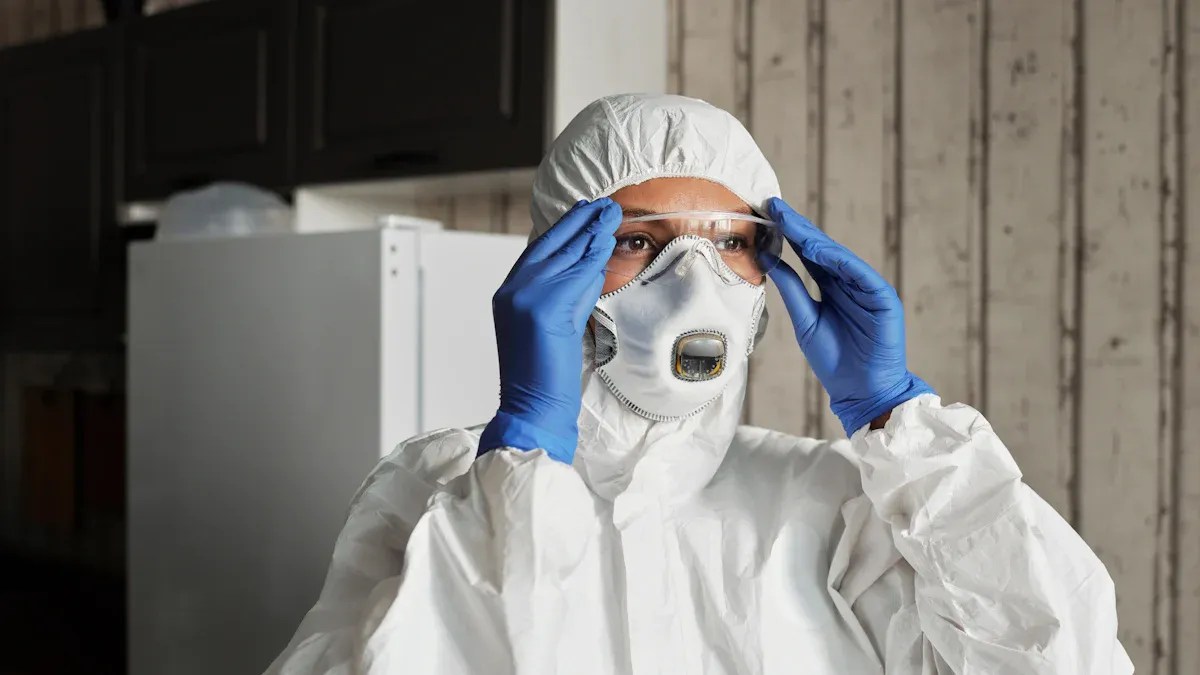
Isolation gowns play a critical role in infection control, particularly in understanding how to stop microscopic viral penetration using isolation gowns with taped seams. These gowns act as a barrier, protecting healthcare workers from harmful viruses. Knowing how to use these gowns effectively is essential to prevent viral transmission. You must select the right gown, follow proper usage techniques, and maintain them correctly. This knowledge helps ensure safety in medical environments.
Note: Common viruses targeted by isolation gown protocols include SARS and MERS coronaviruses, which can survive on surfaces for days to weeks, posing a significant risk of transmission.
Key Takeaways
-
Select isolation gowns that meet ANSI/AAMI PB70 standards for optimal protection against viral penetration.
-
Follow proper donning and doffing procedures to minimize contamination risks and ensure safety.
-
Maintain and store isolation gowns correctly to preserve their protective qualities and effectiveness.
-
Choose gowns made from high-quality materials with taped seams for enhanced barrier protection against viruses.
-
Regular training and reminders on gown usage can significantly improve compliance and infection control outcomes.
Gown Selection

Choosing the right isolation gown is crucial for effective viral protection. You must consider both the material properties and the barrier performance levels of the gowns to ensure maximum safety.
Material Properties
The fabric of an isolation gown plays a significant role in its ability to block viral penetration. Here are some key material types commonly used in isolation gowns:
|
Material Type |
Description |
|---|---|
|
Polypropylene |
Commonly used for its durability and cost-effectiveness. |
|
CPE (Cross-linked Polyethylene) |
Offers a waterproof barrier, ideal for viral protection. |
|
Kappler ProVent |
Known for its high level of protection against pathogens. |
When selecting a gown, pay attention to the following fabric properties:
-
Thickness: Thicker materials generally provide better protection against viruses.
-
Weight: Heavier fabrics often enhance liquid resistance and overall performance.
-
Pore Size: Smaller pores improve the gown’s ability to block pathogens.
-
Repellency: Fabrics with higher oil and water repellency ratings correlate with better protection.
Research shows that level-3 surgical gowns are more effective in reducing virus transmission compared to other materials with similar barrier efficiency. Studies have tested various gowns for their resistance to liquid and viral penetration. Some gowns failed to meet the AAMI PB70 standards, particularly at seams and attachments. This highlights the importance of selecting gowns made from high-quality materials.
Barrier Performance Levels
Barrier performance levels are essential for determining how well an isolation gown can protect against viral penetration. Regulatory agencies classify gowns into four levels based on their effectiveness:
|
Level |
Description |
|---|---|
|
Level 1 |
Used for minimal-risk situations; provides a slight barrier to small amounts of fluid penetration. |
|
Level 2 |
Used in low-risk situations; provides a barrier to larger amounts of fluid penetration through splatter. |
|
Level 3 |
Used in moderate-risk situations; provides a barrier to larger amounts of fluid penetration than Level 2. |
|
Level 4 |
Used in high-risk situations; prevents all fluid penetration for up to 1 hour and may prevent virus penetration. |
Only Level 4 gowns undergo testing for viral penetration resistance. Levels 1, 2, and 3 gowns cannot be considered impermeable to viral penetration. The testing methods for these lower levels do not account for viral resistance, making them unsuitable for high-risk environments.
For high-risk viral environments, the ANSI/AAMI PB70 standard specifies that only Level 4 isolation gowns are recommended. This standard ensures that healthcare workers have the necessary protection against viral transmission.
How to Stop Microscopic Viral Penetration

Taped Seams
Taped seams are crucial in enhancing the effectiveness of isolation gowns. These seams prevent microscopic viral particles from penetrating through the stitching. You should look for gowns with taped seams, as they provide a stronger barrier compared to traditional seams. Here are some effective seam construction techniques:
-
Increase thread thickness: This change can transform a single-jersey knit into a blocking knit.
-
Higher spandex content: This adjustment can convert jersey-skip knits into effective blockers.
-
Reduce stitch length: Shorter stitches improve the blocking capability of interlock knits.
By focusing on these seam characteristics, you can significantly enhance the gown’s protective capabilities against viral transmission.
Hydrostatic Pressure Testing
Hydrostatic pressure testing is essential for evaluating how well isolation gowns resist water penetration. The AATCC 127 method measures this resistance by clamping the gown material and gradually increasing water pressure. You will know the gown’s effectiveness as a barrier against fluids based on how much pressure it can withstand before water droplets penetrate the fabric.
For instance, gowns must achieve a minimum of 50 cm H2O hydrostatic resistance to meet Level 3 protection standards. Gowns classified as Level 4 are particularly effective against viruses in blood or bodily fluids. In contrast, Levels 1, 2, and 3 gowns are not considered impermeable to viruses but show increasing resistance to liquids with higher surface tension than synthetic blood.
|
Method |
Key Findings |
|---|---|
|
Hydrostatic Pressure Testing |
Evaluates resistance to liquid penetration under pressure, but may not reflect real-world performance due to potential early droplet penetration. |
|
Impact Penetration Testing |
Shows variable results that do not correlate with hydrostatic pressure tests, indicating inconsistency in gown barrier protectiveness. |
Understanding these testing methods helps you choose the right isolation gown to effectively block viral penetration.
Usage Techniques
Proper usage of isolation gowns is vital for preventing viral transmission. You must follow specific donning and doffing procedures to maximize protection and minimize contamination risks.
Donning Procedures
To ensure you wear the gown correctly, follow these steps:
-
Unfold the gown and slip your arms into the sleeves, ensuring full coverage of your torso and arms.
-
Tie the gown securely at the back.
-
Avoid touching non-sterile surfaces while gowning. Designate a clear sterile zone in the gowning area to maintain cleanliness.
-
Ensure you wear the correct gown size. Maintain an inventory of multiple sizes and check before use.
Tip: Regular training can help reinforce proper techniques and boundary awareness.
Common Mistakes During Donning
You may encounter several common mistakes that can compromise the effectiveness of isolation gowns. Here’s a table outlining these mistakes and strategies to prevent them:
|
Common Mistakes |
Prevention Strategies |
|---|---|
|
Touching non-sterile surfaces while gowning |
Designate a clear sterile zone in the gowning area. Conduct regular training to reinforce boundary awareness and sterile technique. |
|
Improper gloving technique |
Use step-by-step video tutorials and hands-on practice sessions to teach and reinforce the closed-gloving method. |
|
Wearing the wrong gown size |
Maintain an inventory of multiple gown sizes and implement a quick pre-surgery gown size check for every team member. |
|
Skipping pre-gown hand antisepsis |
Post visual reminders and instructions near scrub sinks and changing areas to promote hand hygiene compliance. |
Doffing Procedures
Doffing isolation gowns correctly is just as important as donning them. Follow these steps to minimize contamination risk:
-
Roll the gown down your body inside out into a ball with your medical gloves. This technique ensures fluids and contaminants remain contained.
-
Avoid critical zones when balling your gown for disposal.
-
Discard the gown in an appropriate receptacle according to local facility rules.
-
Perform hand hygiene immediately after removal.
Note: Careful removal of gowns minimizes the risk of self-contamination. Proper doffing techniques should always be followed.
Importance of Proper Procedures
Studies show that healthcare workers often self-contaminate even when using personal protective equipment (PPE). This indicates a significant gap in knowledge and practice regarding donning and doffing procedures. Researchers have observed that despite low perceived risk, there are significant deficits in doffing techniques among healthcare workers. Continuous educational programs are essential to maintain compliance and effectiveness.
Reminder: Regular training and reminders can help improve retention of donning and doffing knowledge over time.
By following these guidelines, you can effectively use isolation gowns to block viral penetration and protect yourself and others in healthcare settings.
Maintenance and Storage
Maintenance Practices
To keep reusable isolation gowns effective, you must follow specific maintenance practices. Proper care ensures that gowns maintain their protective qualities against viral penetration. Here are some recommended practices:
|
Maintenance Practice |
Description |
|---|---|
|
Launder reusable gowns according to routine procedures. This keeps them clean and effective. |
|
|
Durability Testing |
Ensure gowns retain sufficient strength after multiple industrial washes. This testing confirms their reliability. |
|
Appearance Retention |
Observe minimal changes in fabric properties after several washes. This indicates the gown’s longevity. |
Following these practices helps you maintain the integrity of your isolation gowns, ensuring they provide the necessary protection.
Storage Recommendations
Proper storage of isolation gowns is crucial for maintaining their integrity. Here are some effective storage recommendations:
-
Store isolation gowns in their original packaging.
-
Maintain a cool, dry environment with temperatures between 15-30°C (59-86°F) and relative humidity below 80%.
-
Protect storage areas from direct sunlight, extreme temperatures, and chemical exposure.
-
Stack packages properly to prevent compression damage.
-
Implement inventory rotation systems to use older stock first.
Improper storage can lead to reduced barrier performance. For example, maintaining regulated temperatures prevents material degradation. A dry environment avoids moisture entry, while protection from direct sunlight and UV exposure keeps gowns in optimal condition.
By following these maintenance and storage guidelines, you can ensure that isolation gowns remain effective in blocking viral penetration. Prioritizing these practices helps protect both healthcare workers and patients in medical settings.
Using isolation gowns correctly is vital for preventing viral transmission. Proper gown selection, usage, and maintenance significantly impact infection control outcomes. Studies show that textiles can transmit infectious agents, highlighting the need for effective gowns. Rates of contamination on healthcare workers’ gowns can range from 4% to 67%.
To ensure safety, remember these key points:
-
Choose gowns that meet ANSI/AAMI PB70 standards.
-
Follow proper donning and doffing procedures.
-
Maintain and store gowns correctly to preserve their integrity.
By prioritizing these practices, you can help protect yourself and others in healthcare settings. Your commitment to infection control measures is essential for a safer environment.
FAQ
What is the purpose of isolation gowns?
Isolation gowns protect healthcare workers from exposure to infectious agents. They act as a barrier against viruses and other pathogens during patient care.
How do I choose the right isolation gown?
Select gowns based on material properties and barrier performance levels. Look for gowns that meet ANSI/AAMI PB70 standards for optimal protection.
Can I reuse isolation gowns?
Reusable gowns can be washed and used again. Follow proper laundering and maintenance practices to ensure they retain their protective qualities.
What are the key steps for doffing an isolation gown?
To doff a gown, roll it inside out, discard it properly, and perform hand hygiene immediately. This minimizes contamination risks.
How should I store isolation gowns?
Store gowns in a cool, dry place, away from direct sunlight. Keep them in their original packaging to maintain their integrity.
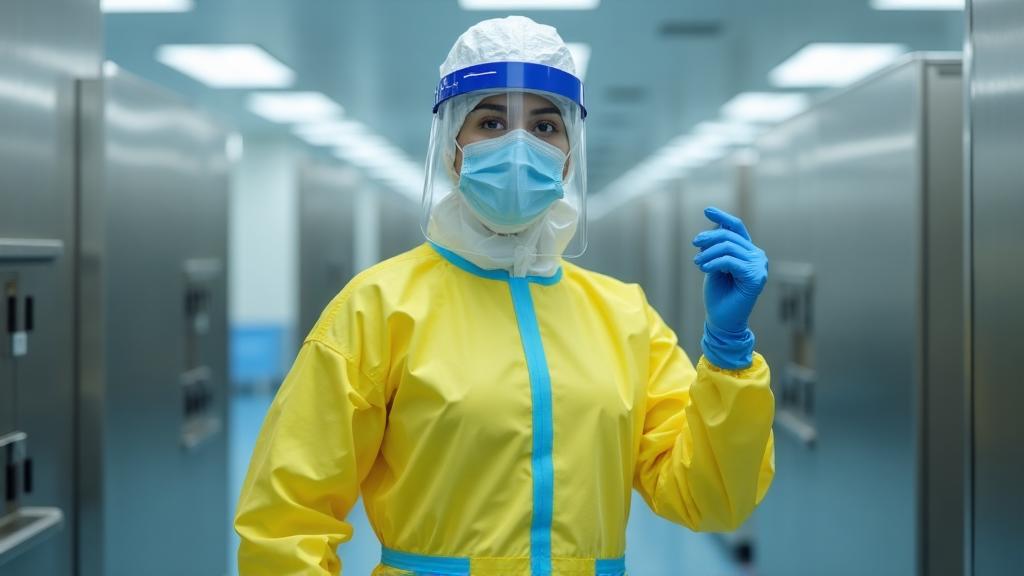
Head-to-Toe Zero-Gap Protection
Complete PPE integration for CSSD decontamination workflows


