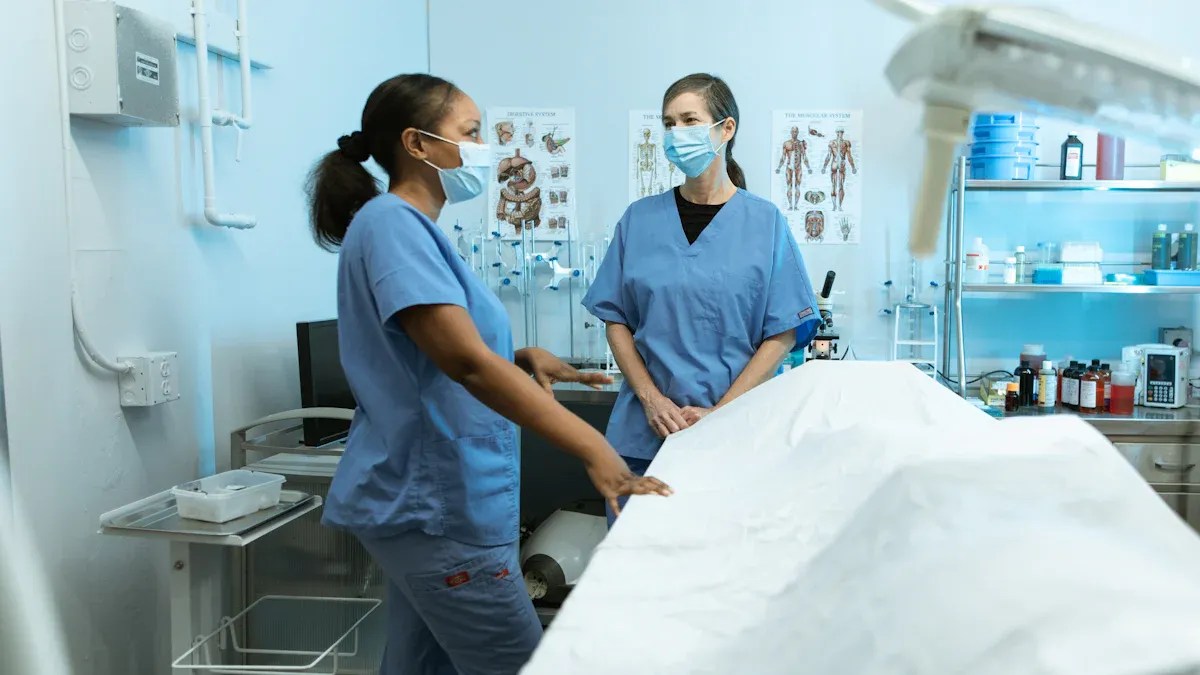
Safety in oncology nursing is critical, especially when it comes to protecting frontline staff. You face potential exposure to hazardous drugs daily, making ‘Protecting Frontline Staff: USP 800 PPE for Oncology Nursing’ a vital topic. Studies show that approximately 8 million U.S. healthcare workers are at risk from these substances. Specifically, 16.9% of ambulatory oncology nurses reported skin or eye exposure to chemotherapy in the past year. USP 800 establishes standards that protect you and your colleagues. Proper personal protective equipment (PPE) is essential in handling these dangerous drugs. By adhering to these standards, you can significantly reduce risks and ensure a safer work environment.
Key Takeaways
-
Proper personal protective equipment (PPE) is essential for oncology nurses to reduce exposure to hazardous drugs.
-
Double gloving and using polyethylene-coated gowns significantly enhance safety during chemotherapy administration.
-
Regular training and education on USP 800 standards are crucial for maintaining compliance and ensuring staff safety.
-
Assessing the work environment for compliance with safety protocols helps identify and mitigate potential hazards.
-
Implementing closed-system transfer devices (CSTDs) can greatly minimize environmental contamination and protect healthcare workers.
Rationale for USP 800

Importance of Safety
Safety in oncology nursing is paramount. You work in an environment where exposure to hazardous drugs can occur daily. These drugs pose significant health risks, not only to patients but also to you and your colleagues. The introduction of USP 800 marks a crucial step in enhancing safety standards. Dr. Polovich emphasized this by stating, “This is the first time that there will be mandatory standards for our protection as healthcare workers, and I think that is outstanding.” This statement highlights the importance of having clear guidelines to protect you from potential harm.
Overview of Hazardous Drugs
Hazardous drugs, particularly antineoplastic agents, can lead to serious health issues. Handling these substances carries risks of exposure that can result in acute and chronic health problems. Research indicates that those who frequently handle these drugs, such as nurses and pharmacists, face the highest risk. The preparation, administration, and disposal of intravenous (IV) chemotherapy agents are particularly dangerous. These activities involve frequent handling, which increases the likelihood of accidental exposure.
Consider the following points regarding hazardous drugs:
-
Contamination can occur on surfaces near where chemotherapy drugs are prepared and administered.
-
A small drop or spray can go unnoticed, leading to potential exposure for patients, visitors, and staff.
-
Many individuals who interact with patients receiving chemotherapy may not recognize the risks associated with hazardous drugs.
Dr. Polovich noted, “If you work in a place where hazardous drugs are handled, you’re likely to find contamination in the environment.” This statement underscores the need for strict adherence to safety protocols. USP 800 mandates that institutions maintain a facility-specific hazardous drug list and label all hazardous drugs. Organizations must also designate an individual responsible for compliance oversight. Specific areas must be designated for the safe handling of hazardous drugs, including receipt, unpacking, storage, and compounding. By following these guidelines, you can help create a safer work environment for everyone involved.
Protecting Frontline Staff: USP 800 PPE for Oncology Nursing

Types of Required PPE
To protect yourself while handling hazardous drugs, you must wear specific personal protective equipment (PPE). The following table outlines the types of PPE mandated by USP 800 and their purposes:
|
Type of PPE |
Purpose/Use |
|---|---|
|
Double gloves |
Required for administering antineoplastic HDs |
|
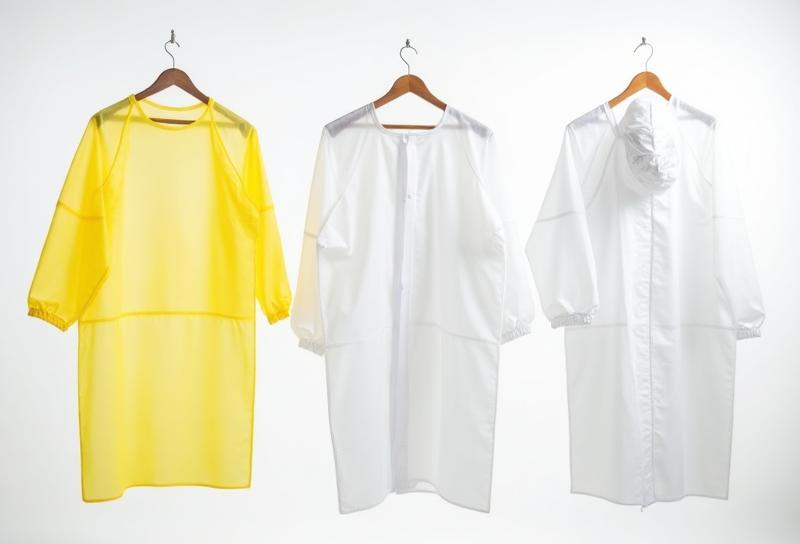
Polyethylene-coated gowns |
Worn when there is a splash risk |
|
Face protection |
Used when there is a risk of splashes |
|
Closed-system transfer devices |
Required for administration when dosage form allows |
|
Single-use gowns |
To be disposed of after use |
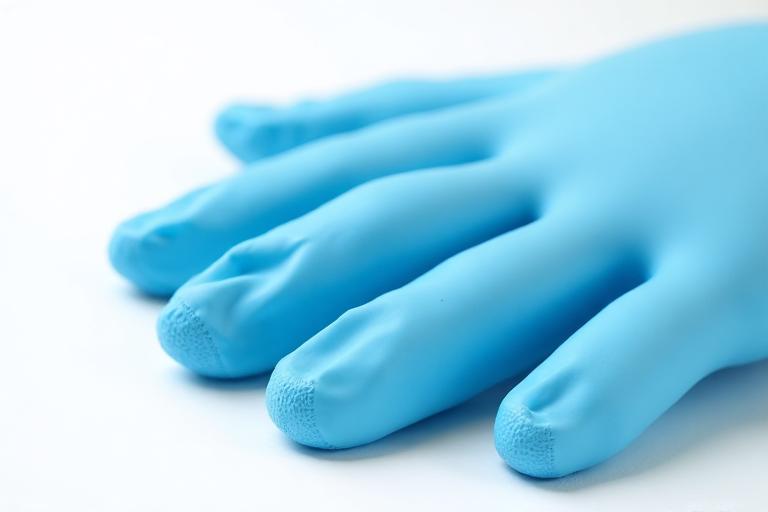
Double gloving is particularly important. It provides an extra layer of protection against hazardous drug exposure. If the outer glove becomes compromised, the inner glove continues to protect you. Studies show that double gloving significantly increases resistance to needle penetration. The additional glove can absorb more fluid from a needle, offering further safety against exposure.
Proper Use and Maintenance
Using PPE correctly is essential for your safety. Follow these steps to don and doff your PPE properly:
Donning PPE
-
Perform hand hygiene.
-
Put on the gown.
-
Put on the mask or respirator.
-
Put on goggles or face shield.
-
Put on gloves.
Doffing PPE
-
Follow with the gown.
-
Then the mask.
-
Finally, perform hand hygiene.
When removing gloves, hold the outside palm area of one glove and pull it off. Use the ungloved hand to peel off the second glove inside-out. Take off the gown by unfastening the ties and pulling it away from the shoulder inside-out. Remove the mask by taking off the elastic ear bands without touching the front. Always wash your hands before and after using PPE.
Remember, donning PPE properly is crucial for your protection. Doffing should be done carefully to avoid contamination. Follow strict procedures, including observer-monitored methods, to ensure safety.
By adhering to these guidelines, you can significantly reduce the risk of exposure to hazardous drugs. Protecting frontline staff through proper use and maintenance of PPE is vital in oncology nursing.
Environmental Impact on Safety
Assessing the Work Environment
To ensure safety in oncology nursing, you must assess your work environment for compliance with USP 800 standards. This assessment involves several key elements that help identify potential hazards. The following table outlines these elements:
|
Key Element |
Description |
|---|---|
|
Hazardous Drug List |
Maintain a list of all hazardous drugs handled, as per NIOSH criteria. |
|
Standard Operating Procedures |
Develop detailed SOPs for processes involving hazardous drugs, regularly reviewed and updated. |
|
Engineering Controls |
Utilize specialized equipment like Biological Safety Cabinets (BSCs) for safe handling. |
|
Personal Protective Equipment |
Ensure an adequate supply of PPE like gloves and gowns for personnel handling hazardous drugs. |
|
Personnel Training |
Provide documented training on USP 800 guidelines and specific SOPs for all staff. |
|
Medical Surveillance |
Implement a program to monitor the health of personnel handling hazardous drugs. |
|
Hazardous Drug Waste Disposal |
Follow regulations for proper segregation and disposal of hazardous drug waste. |
Safety Protocols
Implementing safety protocols is crucial for minimizing hazardous drug exposure. These protocols help create a safer environment for you and your colleagues. The following table highlights recommended safety protocols:
|
Safety Protocols |
Description |
|---|---|
|
Containment |
Emphasizes the need for hazardous drug containment to protect healthcare workers in oncology settings. |
|
Medical Surveillance |
Involves monitoring the health of workers who handle hazardous drugs, including medical history and biological monitoring. |
|
Closed System Drug-Transfer Devices (CSTDs) |
Recommended for use in compounding and administration to minimize exposure risks. |
Using CSTDs can significantly reduce environmental contamination. These devices prevent hazardous drugs from escaping into the environment, protecting you from exposure. Research shows that CSTDs effectively lower surface contamination levels, making them a vital part of your safety measures.
By assessing your work environment and implementing these safety protocols, you can enhance safety in oncology nursing. Your commitment to following these guidelines will help protect not only yourself but also your patients and colleagues.
Education and Training for Compliance
Training Program Development
Developing a comprehensive training program is essential for oncology nurses to comply with USP 800 standards. Your training should cover several key components:
-
Personal Protective Equipment: Understand the importance of double gloving, disposable gowns, and respiratory protection for larger spills.
-
Closed-System Transfer Devices (CSTDs): Learn how to use CSTDs during hazardous drug administration to prevent environmental contamination.
-
Communication and Education: Familiarize yourself with policies for handling hazardous drugs, including annual competency assessments and safety education.
-
Surveillance: Participate in a medical surveillance program that monitors the health of personnel handling hazardous drugs, including baseline assessments and tracking health changes.
These components ensure you are well-prepared to handle hazardous drugs safely and effectively.
Continuous Education
Continuous education is vital for maintaining compliance with USP 800 standards. You should engage in training sessions at least once a year. This frequency aligns with the requirement for staff competency to be demonstrated and documented every 12 months. Ongoing education helps reinforce your knowledge and skills related to hazardous drug handling.
Additionally, you must stay updated on current requirements. For instance, oncology nurses must increase their education on the proper handling of hazardous drugs. The use of CSTDs is now mandatory when administering drugs. Furthermore, PPE such as double-gloving and chemotherapy gowns is required during chemotherapy administration.
By committing to continuous education, you enhance your safety and that of your colleagues and patients. Staying informed about the latest practices and regulations ensures you remain compliant with USP 800 standards.
In summary, adhering to USP 800 standards is crucial for your safety as an oncology nurse. These guidelines help protect you from hazardous drug exposure, which can lead to serious health issues. Key points include:
-
The importance of proper PPE, such as double gloves and gowns.
-
The need for a safe work environment with effective protocols.
-
Continuous education to stay updated on best practices.
Remember, implementing these standards may come with challenges, such as costs and resistance from administration. However, the long-term health benefits far outweigh these barriers. By committing to safety, you not only protect yourself but also your patients and colleagues.
Embrace these standards to foster a safer oncology nursing practice. Your dedication to safety makes a difference!
FAQ
What is USP 800?
USP 800 sets standards for handling hazardous drugs to protect healthcare workers. It outlines requirements for personal protective equipment (PPE), safe handling practices, and environmental controls in healthcare settings.
Why is PPE important in oncology nursing?
PPE protects you from exposure to hazardous drugs. It reduces the risk of skin and respiratory issues, ensuring your safety while administering chemotherapy and handling other hazardous substances.
How often should I receive training on USP 800?
You should participate in training at least once a year. This training reinforces your knowledge of safe practices and ensures compliance with USP 800 standards.
What should I do if I experience a hazardous drug exposure?
If you suspect exposure, immediately wash the affected area with soap and water. Report the incident to your supervisor and seek medical evaluation as needed.
Are there specific guidelines for disposing of hazardous drug waste?
Yes, follow your facility’s protocols for hazardous drug waste disposal. Ensure proper segregation and labeling to minimize environmental contamination and protect staff and patients.