Integrating PPE with engineering controls is vital for ensuring safety and compliance in healthcare settings, particularly in the context of ‘Integrated Safety: Synergizing USP 800 PPE with Engineering Controls.’ Approximately 8 million healthcare workers in the United States face potential exposure to hazardous drugs each year. This staggering number underscores the urgency of addressing safety measures. However, healthcare facilities encounter several challenges when integrating these safety protocols:
-
Achieving compliance with USP 800 can be costly and complex.
-
Designing sterile compounding spaces demands expertise from multiple specialists.
-
USP 800 requires specific environmental conditions, complicating the integration process.
A comprehensive approach that combines PPE and engineering controls enhances safety for healthcare professionals and minimizes risks associated with hazardous drug handling, aligning with the principles of Integrated Safety.
Key Takeaways
-
Integrating PPE with engineering controls protects healthcare workers from hazardous drugs.
-
Regular monitoring of contamination helps maintain a safe environment and ensures compliance.
-
Using closed-system drug transfer devices (CSTDs) significantly reduces exposure risks during drug handling.
-
Continuous training and updates on safety protocols enhance overall safety in healthcare settings.
-
A proactive approach to safety creates a healthier environment for both workers and patients.
Engineering Controls
Engineering controls play a crucial role in ensuring safety when handling hazardous drugs. These controls help minimize exposure and protect healthcare workers. They can be categorized into three main types: primary, secondary, and supplemental controls.
Primary Controls
Primary engineering controls are essential for creating a safe environment during the compounding of hazardous drugs. They include devices specifically designed to protect both the operator and the product. Here are two key types of primary controls:
|
Type of Control |
Description |
|---|---|
|
Designed to protect the product, operator, and environment by using ventilation. |
|
|
Compounding Aseptic Containment Isolators (CACIs) |
Ensures safe handling of hazardous drugs (HDs) with integrated air management systems. |
BSCs serve as the backbone of safety in pharmacy compounding environments. They maintain sterile conditions while protecting pharmacy technicians from hazardous drug exposure. Class II Type B2 cabinets are particularly effective due to their superior containment capabilities. USP <800> recommends using Class II B2 or Class III cabinets for hazardous drug compounding. These cabinets provide maximum operator protection and eliminate concerns about hazardous vapor recirculation.
Secondary Controls
Secondary engineering controls complement primary controls by enhancing overall containment. They focus on maintaining a safe environment around the primary controls. Here are some key features of secondary engineering controls:
|
Feature |
Description |
|---|---|
|
C-PEC Devices |
Must be in containment primary engineering control devices with external ventilation in walled-off rooms. |
|
Negative Pressure |
Must maintain a negative pressure of 0.01 to 0.03 inches of water column relative to adjacent areas. |
|
Air Changes |
At least 12 air changes per hour are required. |
|
Venting |
Must vent directly to the outside. |
|
HD Storage |
HD storage areas must also meet negative air pressure requirements. |
|
Separation of Areas |
HDs must be stored and prepared in separate areas from non-HDs. |
|
Closed-System Transfer Devices |
CSTDs are required to minimize exposure to healthcare workers. |
The implementation of United States Pharmacopeia (USP) General Chapter <800> is crucial for minimizing worker and environmental exposure to hazardous drugs. Secondary controls ensure that the environment remains safe, even when primary controls are in use.
Supplemental Controls
Supplemental engineering controls provide additional safety measures beyond primary and secondary controls. A prominent example is closed-system drug transfer devices (CSTDs). These devices mechanically transfer hazardous drugs while preventing the escape of harmful vapors and environmental contaminants. They utilize either a physical barrier or air cleaning technology to ensure safety during the compounding process.
Research shows that using CSTDs can significantly reduce surface contamination. For instance, a study indicated a 56% decrease in contamination levels when surfaces were regularly monitored. Regular wipe sampling is also advised to evaluate the effectiveness of cleaning and disinfection practices.
Integrated Safety: Synergizing USP 800 PPE with Engineering Controls

Role of PPE
Personal Protective Equipment (PPE) plays a vital role in your safety when handling hazardous drugs. While engineering controls create a safer environment, PPE acts as an additional layer of protection. You must understand how these two components work together to enhance safety and compliance with USP 800 standards.
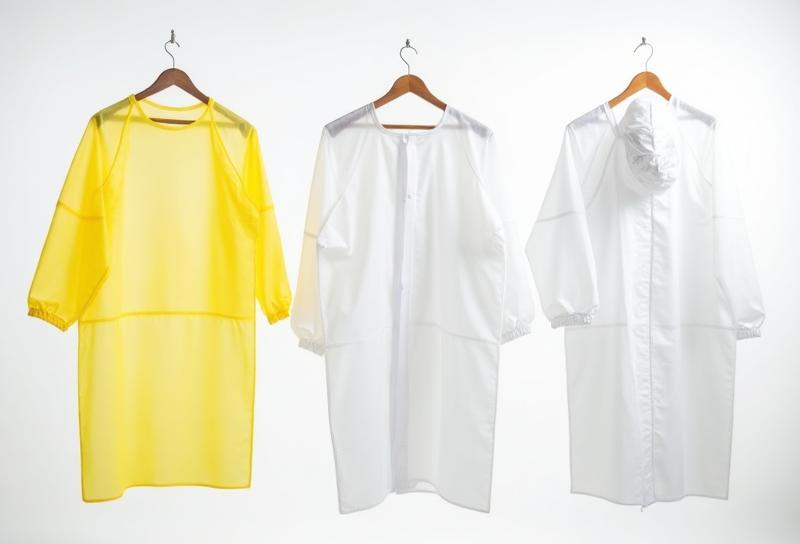
PPE includes items such as gloves, gowns, masks, and eyewear. Each piece serves a specific purpose in minimizing exposure risks. For example, when you administer compounded hazardous medications, you should wear double chemotherapy gloves and an impermeable gown. This combination protects you from potential spills and splashes. The use of closed-system drug-transfer devices (CSTDs) further reduces the risk of exposure during administration.
The integration of PPE with engineering controls improves compliance with USP 800 standards. Here’s how:
|
Description |
|
|---|---|
|
Handling Requirements |
Comprehensive procedures for receiving, storing, compounding, dispensing, administering, and disposing of hazardous drugs. |
|
Use of Personal Protective Equipment |
Mandates appropriate PPE like gloves, gowns, masks, and eyewear to minimize exposure risks. |
|
Environmental Control |
Enforces measures like containment secondary engineering controls (C-SECs) and primary engineering controls (C-PECs) to prevent contamination. |
Monitoring Contamination
Monitoring contamination is essential for maintaining a safe environment when handling hazardous drugs. You need to implement effective methods to ensure that both surfaces and air remain free from harmful residues. Regular monitoring helps you identify potential risks and take corrective actions promptly.
Several methods exist for monitoring contamination in USP 800-compliant environments:
-
Surface Monitoring: Tools like ChemoSure are designed for surface residue monitoring of hazardous drugs. They support compliance with USP <800> by ensuring that surfaces remain uncontaminated.
-
Single-Swab Method: This method utilizes a single swab and a 50/50 methanol/water solution to sample a 100 cm² area. It simplifies the process and ensures accurate results.
-
Wide Analyte Coverage: Some monitoring kits can detect up to 19 hazardous drugs, including specific platinum compounds like cisplatin and carboplatin.
-
Comprehensive Kit: Each kit includes all necessary materials for sampling, ensuring a uniform methodology.
-
Ease of Workflow: Streamlining sampling logistics reduces training burdens for staff and enhances efficiency.
-
Turnkey Logistics: A complete package avoids delays in sampling execution, enhancing routine monitoring efforts.
By combining PPE with engineering controls and effective monitoring, you create a robust safety framework. This multi-faceted approach not only protects you but also ensures compliance with USP 800 standards.
Considerations for Integration
Cost Implications
Integrating PPE and engineering controls for USP 800 compliance involves significant financial considerations. Budgeting for compliance can be challenging for healthcare facilities. Here are some key points to consider:
-
Defined Timeframe: New regulations create urgency for hospitals to allocate funds quickly.
-
Scope of Needs: Understanding the full scope of construction and operational needs is crucial for accurate budgeting. Avoid using traditional dollar per square foot values until you fully grasp the entire construction scope.
-
Operational Challenges: Maintaining pharmacy operations during renovations poses challenges. You may need careful planning and temporary setups.
-
HVAC Systems: Evaluate the condition and capacity of existing HVAC systems. Deficiencies can lead to substantial costs.
Ergonomics
Ergonomics plays a vital role in ensuring the safety and comfort of healthcare workers when using PPE and engineering controls. Here are some strategies to enhance ergonomic practices:
-
Heavy Loads: Require that heavy loads are lifted by two people to limit force exertion.
-
Job Rotation: Establish systems where workers rotate away from tasks to minimize repetitive motions and awkward postures.
-
Mechanical Aids: Use mechanical lifting devices to reduce heavy manual handling.
-
Ergonomic Tools: Design tools with ideal diameters to reduce strain on hands and wrists. Height-adjustable desks and ergonomic chairs can also improve comfort.
Cleaning Needs
Cleaning and maintenance are critical for the effectiveness of integrated safety measures. Regular monitoring and cleaning protocols help identify contamination and ensure safety. Consider these points:
-
Regular Monitoring: A study showed a 56% decrease in contamination levels with consistent monitoring.
-
Protocol Changes: Approximately 75% of the monitoring group adjusted their cleaning protocols based on findings.
-
Work Procedure Adjustments: About 67% of pharmacies reported changing their work procedures due to monitoring results.
By addressing cost implications, ergonomics, and cleaning needs, you can create a safer and more compliant environment for handling hazardous drugs.
Effectiveness of Controls

Comparative Analysis
When evaluating the effectiveness of engineering controls, you should consider how they compare to personal protective equipment (PPE). Research shows that engineering controls generally outperform PPE in reducing exposure to hazardous drugs. Here’s a summary of the effectiveness of various controls:
|
Engineering Control |
Effectiveness Evidence |
|---|---|
|
Closed Systems |
Debate exists due to lack of reliable research; Cochrane review could neither support nor refute their use. |
|
Personal Protective Equipment |
Varies by hospital; full PPE is mandated in the US under USP <800>, contrasting with UK practices. |
|
Extraction Systems |
Recommended by HSE as a control measure, but not mandated, leading to variability in implementation. |
You will find that healthcare workers using FFP2 or FFP3 respirators experience an 86% to 95% reduction in risk. Ventilated headboards and filtered airhood respirators provide an even greater reduction, ranging from 91% to 99%. This data highlights the importance of integrating engineering controls with PPE for optimal safety.
Case Studies
Several case studies illustrate successful integration of PPE and engineering controls for USP 800 compliance. Compounding hazardous drugs requires dedicated areas with specific classifications. Facilities must maintain negative pressure to direct airflow from ‘dirty’ to ‘clean’ areas. Personnel should don PPE in an anteroom before entering the cleanroom. Continuous environmental monitoring is essential to minimize contamination risks. HEPA filters capture hazardous particles, ensuring a safer compounding environment.
Key findings from these case studies include:
-
Better awareness and improved engineering controls have contributed to decreases in contamination.
-
Closed-system transfer devices for hazardous drugs enhance safety.
-
Robotics, although still developing, represent a future integration of technology in handling hazardous drugs.
-
Healthcare organizations should create a hazardous drug list and assess risk for exposure.
-
Training personnel on the use of PPE, including impermeable gowns and double gloves, is essential.
-
Facilities must ensure proper venting and negative pressure in hazardous drug handling areas.
By implementing these strategies, you can significantly improve safety and compliance in your facility.
Integrating PPE with engineering controls is essential for ensuring safety and compliance with USP <800>. Here are the key takeaways:
-
Protection: USP <800> aims to safeguard healthcare workers, patients, and the environment from hazardous drugs.
-
Comprehensive Approach: Combining engineering controls, PPE, and surface sampling helps monitor contamination risks effectively.
-
Continuous Improvement: Regularly review and update your hazardous drug safety protocols to maintain compliance.
You should evaluate your current practices and consider improvements. Frequent training and adherence to updated guidelines can significantly enhance safety in your facility.
Remember, a proactive approach to safety not only protects you but also ensures a healthier environment for everyone involved.
FAQ
What is USP 800?
USP 800 sets standards for handling hazardous drugs in healthcare settings. It aims to protect healthcare workers, patients, and the environment from exposure to these drugs.
Why is PPE important in hazardous drug handling?
PPE provides an additional layer of protection against exposure to hazardous drugs. It helps you minimize risks during compounding, administration, and disposal processes.
How often should I monitor contamination levels?
You should monitor contamination levels regularly. Frequent checks help you identify potential risks and adjust cleaning protocols as needed to maintain a safe environment.
What are the key components of engineering controls?
Key components include primary controls like Biological Safety Cabinets, secondary controls like negative pressure rooms, and supplemental controls like Closed-System Transfer Devices (CSTDs).
How can I ensure compliance with USP 800?
To ensure compliance, integrate PPE with engineering controls, conduct regular training, and implement effective monitoring and cleaning protocols. Regularly review your practices to stay updated.