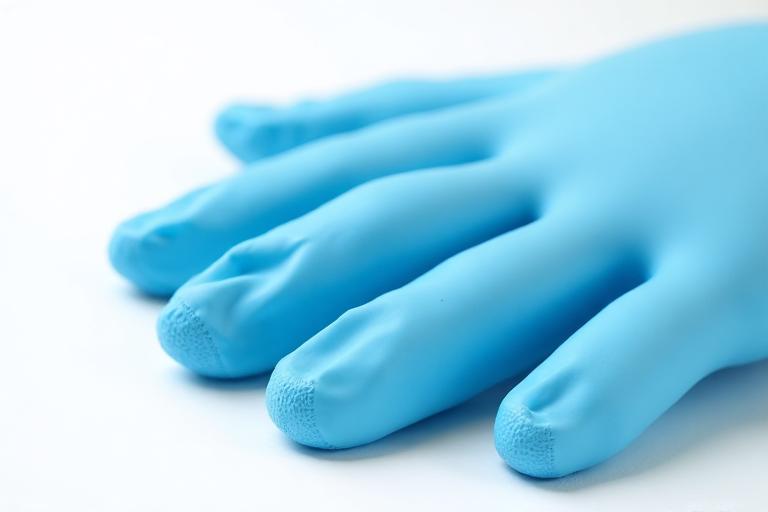
In healthcare, the safe disposal of hazardous waste is crucial for protecting public health and the environment, particularly under the ‘Safe Disposal: USP 800 Hazardous Waste PPE Management Protocols.’ Statistics show that high-income countries generate an average of 11 kg of hazardous waste per bed per day, while low-income countries produce around 6 kg. This highlights the urgent need for effective safety measures. The United States Pharmacopeia (USP) 800 establishes essential guidelines for managing hazardous drugs, minimizing risks associated with exposure and waste. Personal protective equipment (PPE) plays a vital role in ensuring your safety while handling hazardous materials, making it an indispensable part of the ‘Safe Disposal: USP 800 Hazardous Waste PPE Management Protocols.’
Key Takeaways
-
Follow USP 800 guidelines to ensure safe handling and disposal of hazardous drugs in healthcare settings.
-
Always wear appropriate personal protective equipment (PPE) to protect yourself from hazardous materials.
-
Regularly train all staff on hazardous waste management to enhance safety and compliance.
-
Conduct audits at least once a year to identify compliance gaps and improve waste management practices.
-
Properly segregate hazardous waste to prevent contamination and ensure safe disposal.
USP 800 Overview
Definition and Significance
USP 800 provides essential guidelines for the safe handling of hazardous drugs in healthcare settings. This standard defines what constitutes hazardous drugs and outlines necessary procedures and precautions. The significance of USP 800 lies in its aim to protect healthcare workers, patients, and the environment from the risks associated with hazardous drugs. Here are some key points regarding its importance:
-
USP 800 establishes best practices for the storage, compounding, administration, and disposal of hazardous drugs.
-
Compliance with USP 800 reduces occupational risks for healthcare workers and enhances safety in pharmaceutical care.
-
Exposure to hazardous drugs can lead to acute health effects, such as skin rashes, and chronic health effects, including cancer and adverse reproductive outcomes.
Key Requirements for Compliance
To ensure compliance with USP 800, healthcare facilities must adhere to several critical requirements. These requirements help maintain a safe environment for both staff and patients. The following table outlines the key compliance requirements:
|
Compliance Requirement |
Description |
|---|---|
|
Personal Protective Equipment (PPE) |
Double gloves must be worn when handling hazardous drugs, including during receipt, storage, transport, compounding, administration, deactivation, cleaning, and waste disposal. |
|
Labeling of Hazardous Drugs |
All containers of hazardous drugs must be properly labeled with the identity of the material and appropriate hazard warnings. |
|
Adherence to Laws |
Disposal of hazardous drugs and contaminated materials must comply with federal, state, and local laws. |
Failure to comply with these standards can lead to serious consequences. Regulatory agencies, such as the Joint Commission and OSHA, conduct inspections and enforce compliance. Potential penalties include letters of reprimand, costly fines, sanctions, or even facility closure until compliance is achieved. Additionally, Boards of Pharmacy may impose regulatory penalties during inspections, which could result in fines or license suspension.
By understanding and implementing the requirements of USP 800, you contribute to a safer healthcare environment for everyone involved.
Importance of PPE in Waste Management

Types of PPE Required
When managing hazardous waste, you must wear appropriate personal protective equipment (PPE) to ensure your safety. USP 800 mandates specific types of PPE for handling hazardous drugs. Here are the essential items you should use:
-
Chemotherapy Gloves: You need to wear two pairs of chemotherapy gloves that meet the American Society for Testing Materials standard D6978. These gloves protect your hands from exposure to hazardous substances.
-
Coveralls: Full-body protection is crucial. Use ‘bunny suit’ coveralls to shield your skin from spills and contamination.
-
Face Masks: A mask is necessary to prevent inhalation of harmful particles. Ensure it fits securely over your nose and mouth.
-
Goggles: Protect your eyes with goggles or safety glasses to prevent exposure to splashes.
-
Shoe Covers: Slip shoe covers over your footwear to avoid tracking hazardous materials outside the work area.
Proper Use and Maintenance
Proper use and maintenance of PPE are vital for your safety. Follow these guidelines to ensure your equipment remains effective:
-
Inspect PPE before each use. Look for defects such as tears or pinholes that could compromise safety.
-
Clean reusable gloves according to manufacturer guidelines. This practice minimizes contamination and extends usability.
-
Store PPE in a safe, sanitary condition. Avoid degrading conditions that could damage the equipment.
-
Replace worn-out or damaged PPE immediately. Using compromised equipment increases the risk of exposure to hazardous materials.
By adhering to these practices, you can significantly reduce the risks associated with hazardous waste management. Remember, the effectiveness of PPE relies on your diligence in maintaining and using it correctly.
Safe Disposal: USP 800 Hazardous Waste PPE Management Protocols
Protocols for Disposing of PPE
When you handle hazardous waste, following proper protocols for disposing of personal protective equipment (PPE) is essential. Adhering to these protocols minimizes the risk of contamination and ensures safety for everyone involved. Here are the step-by-step protocols for disposing of PPE according to USP 800:
-
Separate Waste: First, sort your used PPE into hazardous or general waste categories. PPE from healthcare settings or contaminated areas is typically regarded as hazardous.
-
Use the Proper Bins: Place the PPE in your facility’s designated waste bins. Ensure these bins are clearly labeled, such as ‘biohazard’ for PPE that has come into contact with blood or bodily fluids.
-
Seal Properly: Securely seal your waste bags. Use puncture-resistant bags and double-bag if necessary to prevent leaks.
-
Dispose Responsibly: Your facility’s waste management company will handle this hazardous waste. They will ensure it is incinerated or processed in a manner that does not harm the environment or contaminate others.
-
Wash Your Hands Again, Just in Case: Always wash your hands with soap and water after handling used PPE to eliminate any potential contaminants.
Following these protocols not only protects you but also safeguards your colleagues and patients from exposure to hazardous materials.
Proper Sequence for Doffing PPE
Doffing PPE correctly is crucial to prevent self-contamination during hazardous waste disposal. Here’s the proper sequence you should follow:
-
Remove Protective Eyewear or Face Shield: Handle face protection by the headband or ear pieces to avoid touching the front of the piece.
-
Remove Mask or Respirator: For masks, remove them by handling the ear loops or ties, starting with the bottom tie if applicable, then the top tie. Ensure you do not touch the front of the mask. For respirators, tilt your head slightly forward, grasp the bottom strap, and bring it up over your head, followed by the top strap. Remove the respirator forward and away from your face, disposing of it appropriately.
-
Perform Hand Hygiene: Once all PPE is removed, perform a final hand hygiene step to ensure your hands are clean.
-
Final Checks: Report any contamination incidents to your supervisor or as per your facility’s protocol.
Common errors during the doffing process can lead to contamination. These include improper hand hygiene between steps, incorrect doffing sequence, and touching contaminated surfaces. By following the correct procedures, you can significantly reduce these risks.

Research shows that enhanced doffing protocols can dramatically lower contamination rates. For instance, simulations indicate that the contamination rate dropped from 72.7% to 22.7% when improved protocols were implemented. This highlights the importance of adhering to the proper sequence and procedures for doffing PPE.
By mastering these protocols, you contribute to a safer healthcare environment and ensure compliance with USP 800 standards.
Hazardous Waste Disposal Methods

Segregation of Hazardous Waste
Effective segregation of hazardous waste is crucial for maintaining safety and compliance in healthcare settings. You should accurately identify and separate waste as close to the source as possible. Here are some best practices for segregating hazardous waste:
|
Best Practice |
Description |
|---|---|
|
Accurate Identification |
Identify waste types correctly to ensure proper disposal. |
|
Clear Labeling |
Use biohazard symbols on containers to indicate hazardous waste. |
|
Secure Storage |
Store containers in secure areas accessible only to authorized personnel. |
|
Segregation of Waste Types |
Keep hazardous waste completely separate from non-hazardous waste. |
|
Compliance with Regulations |
Follow state and federal guidelines for waste disposal. |
|
Training for Staff |
Provide adequate training for all employees handling medical waste. |
Using color-coded bins can further enhance segregation efforts. For example, yellow bins can be designated for infectious waste, while red bins can be used for sharps. This system reduces the risk of cross-contamination.
Disposal Methods for Different Types
Once you have segregated hazardous waste, you must choose the appropriate disposal method. Here are some recommended methods:
|
Disposal Method |
Description |
Best Use Case |
|---|---|---|
|
Incineration |
Burning waste material to destroy it. |
Large volume of waste, disposal costs not a concern. |
|
Landfill |
Burying waste material to prevent environmental contamination. |
Small volume of waste, disposal costs not a concern. |
|
Recycling |
Reusing waste material to avoid disposal. |
Small volume of waste, disposal costs are a concern. |
Each method has its environmental impacts. For instance, incineration can release toxic substances into the air, while improper landfill practices can lead to soil and water contamination.
Importance of Documentation
Documentation is critical in hazardous waste disposal processes. Accurate completion of hazardous waste manifests helps avoid delays and penalties. You must ensure compliance with state-specific requirements to prevent fines. Common errors, such as incorrect waste codes or incomplete information, can jeopardize compliance.
Regulations from local, state, and federal authorities aim to minimize risks during hazardous waste handling and disposal. Attention to facility-specific rules, alongside federal regulations, is essential for ensuring safety and compliance.
By following these disposal methods and maintaining thorough documentation, you contribute to a safer healthcare environment and uphold the standards set by USP 800.
Training for Healthcare Professionals
Importance of Training
Training plays a vital role in ensuring the safety of healthcare workers when managing hazardous waste. Effective training programs equip you with the knowledge and skills necessary to handle hazardous materials safely. Here are key components of effective training programs:
-
Develop clear policies and procedures for waste management, including classification, handling, storage, transportation, and disposal.
-
Provide comprehensive training for all staff members on waste disposal policies and procedures.
-
Conduct regular audits and inspections of waste management practices.
-
Implement reporting systems for waste spills or other incidents related to waste management.
-
Provide staff members with the resources and support needed to properly manage waste.
Regular training significantly impacts compliance rates with hazardous waste management protocols. For instance, OSHA mandates a minimum of eight hours of hazardous waste training annually for compliance. This training can reduce fatalities by approximately 50% during emergencies. Moreover, consistent training helps avoid potential OSHA fines, which can reach $14,502 per violation.
Resources for Ongoing Education
Ongoing education is essential for maintaining up-to-date knowledge in hazardous waste management. Various resources are available to support your continuous learning:
|
Resource |
Description |
|---|---|
|
Education Solutions |
Tailored and engaging educational resources for staff training to optimize waste segregation and enhance safety. |
|
Hazardous Waste Management Plan |
A course designed to educate healthcare staff on minimizing exposure to hazardous materials and implementing prevention guidelines. This includes a chemical spill response plan and guidelines for hazardous materials management. |
Additionally, online training modules offer flexibility and convenience. You can access course material from anywhere and schedule training at your convenience. These modules are often more affordable than in-person training and provide updated content regularly.
By prioritizing training and utilizing available resources, you can enhance safety and compliance in hazardous waste management, ultimately protecting yourself and your colleagues.
Monitoring Compliance with USP Standards
Need for Regular Audits
Regular audits are essential for ensuring compliance with USP standards. These audits help you assess your facility’s adherence to safety protocols and identify areas for improvement. It is recommended to conduct these audits at least once every 12 months. Here are some key benefits of regular audits:
-
Identify Non-Compliance: Audits reveal gaps in compliance, allowing you to address issues before they escalate.
-
Enhance Safety: Regular assessments help maintain a safe environment for both staff and patients.
-
Improve Practices: Audits provide insights into best practices, enabling continuous improvement in hazardous waste management.
During these audits, common findings often include:
|
Finding Description |
Issue Type |
|---|---|
|
Improper segregation of hazardous waste |
Waste Management Practices |
|
Incorrect waste descriptions or codes on hazardous waste manifests |
Compliance Issues |
|
Lack of proper labeling leading to commingling of hazardous waste streams |
Labeling Violations |
|
Unauthorized treatment of hazardous waste without proper records |
Regulatory Violations |
|
Mismanagement of hazardous waste across multiple departments leading to generator status issues |
Generator Status Misclassification |
Consequences of Non-Compliance
Non-compliance with USP standards can have serious repercussions for healthcare facilities. Here are some potential consequences you should be aware of:
-
Fines and Sanctions: Facilities may face significant fines or sanctions for failing to comply with regulations.
-
Facility Closure: In severe cases, non-compliance can lead to temporary or permanent closure of the facility.
-
License Penalties: The pharmacy license and pharmacist-in-charge may incur penalties, affecting their ability to operate.
Adhering to USP guidelines protects healthcare personnel handling hazardous drugs. It ensures safe storage and transportation of these drugs while maintaining compliance with federal safety regulations. Non-compliance can lead to serious health risks for both workers and patients. Increased exposure due to non-compliance can result in occupational health issues for workers and compromise patient safety during treatment with hazardous drugs.
By prioritizing compliance with USP standards, you demonstrate a commitment to the safety and well-being of your staff and patients.
In summary, adhering to USP 800 standards is vital for your safety and the safety of your colleagues in healthcare. Key takeaways include:
-
Establishing standard operating procedures for handling hazardous drugs.
-
Emphasizing the importance of personal protective equipment (PPE).
-
Training all personnel involved in hazardous drug management.
Ongoing education is essential. You can promote waste reduction initiatives, conduct regular audits, and develop emergency preparedness plans. By committing to these practices, you ensure compliance and contribute to a safer healthcare environment for everyone.
FAQ
What is hazardous waste in healthcare?
Hazardous waste in healthcare includes any waste that poses a risk to human health or the environment. This includes materials contaminated with infectious agents, chemicals, or pharmaceuticals that can cause harm if not disposed of properly.
Why is PPE important in hazardous waste management?
Personal protective equipment (PPE) protects you from exposure to hazardous materials. It minimizes the risk of contamination and ensures your safety while handling, disposing of, or working near hazardous waste.
How should I segregate hazardous waste?
You should segregate hazardous waste at the point of generation. Use clearly labeled containers for different waste types, such as sharps, infectious waste, and chemical waste, to prevent cross-contamination.
What are the consequences of non-compliance with USP 800?
Non-compliance with USP 800 can lead to fines, sanctions, or even facility closure. It may also result in health risks for staff and patients due to improper handling of hazardous drugs.
How often should training on hazardous waste disposal occur?
Training on hazardous waste disposal should occur at least annually. Regular training ensures that all staff members remain informed about best practices and compliance requirements, enhancing safety in the workplace.