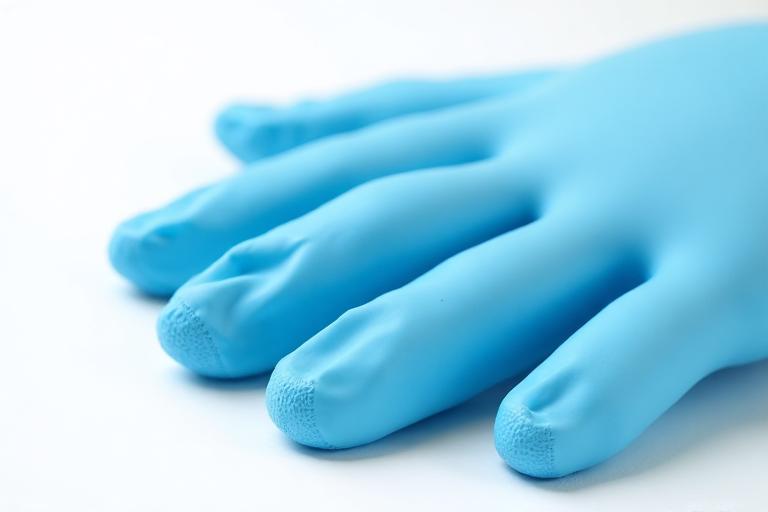
You play a crucial role in ensuring safety in healthcare settings, especially when navigating hazardous drug handling with USP 800 PPE. Approximately 8 million healthcare workers in the U.S. are potentially exposed to these drugs annually, which can lead to serious health risks. A table from OSHA shows that over 400 studies document significant workplace exposure risks due to improper handling practices.
Strict adherence to USP 800 guidelines is essential. These guidelines help you navigate hazardous drug handling safely, protecting both you and your patients.
Key Takeaways
-
Follow USP 800 guidelines to ensure safe handling of hazardous drugs. This protects both healthcare workers and patients from exposure risks.
-
Use proper personal protective equipment (PPE) like double gloves and gowns to minimize contamination. Change gloves every 30 minutes to maintain safety.
-
Implement engineering controls such as specialized hoods and closed-system devices. These tools help contain hazardous drugs during preparation.
-
Regular training and education are essential for compliance. Stay updated on safe handling practices and ensure all staff are trained.
-
Conduct compliance audits to identify gaps in procedures. Regular checks help maintain safety standards and improve handling practices.
USP 800 Overview

Key Components of USP 800
USP 800 outlines essential guidelines for handling hazardous drugs safely in healthcare settings. These guidelines focus on protecting healthcare workers, patients, and the environment from the risks associated with hazardous drug exposure. Here are the primary components of USP 800:
|
Component |
Description |
|---|---|
|
Use specific ASTM D6978-05 chemotherapy-tested gloves and gowns when handling hazardous drugs. |
|
|
Engineering Controls |
Implement hoods and closed-system transfer devices during medication preparation. |
|
Policies and Procedures |
Develop comprehensive policies covering all aspects of hazardous drug handling. |
Compliance Importance
Compliance with USP 800 is crucial for several reasons. First, it helps prevent contamination in healthcare environments. Over 100 studies have documented hazardous drug contamination, which poses serious health risks. More than 50 studies have shown hazardous drugs in the urine of healthcare workers, indicating actual exposure.
Additionally, USP 800 compliance protects both patients and healthcare professionals. The standard emphasizes careful handling and storage of drugs that are carcinogenic or toxic. It mandates engineering controls, personal protective equipment (PPE), and surface sampling to monitor contamination risks.
Healthcare facilities must also develop policies for hazardous drug management. This includes creating a list of hazardous drugs, implementing facility and engineering controls, and ensuring personnel are trained in safe handling practices. Failure to comply can lead to administrative sanctions, fines, or even facility closure until compliance is achieved.
By adhering to USP 800 guidelines, you contribute to a safer healthcare environment for everyone involved.
Navigating Hazardous Drug Handling with USP 800 PPE

Engineering Controls
Engineering controls play a vital role in minimizing exposure to hazardous drugs. These controls include specialized equipment designed to contain or eliminate hazards. According to USP 800, specific engineering controls are necessary for different compounding types. Here’s a summary of the required devices:
|
Compounding Type |
Device Type |
|
|---|---|---|
|
Nonsterile |
C-PEC |
Externally ventilated or contain redundant HEPA filters; Containment Ventilated Enclosure, Class I or II Biological Safety Cabinet (BSC), or Compounding Aseptic Containment Isolator (CACI). |
|
|
C-SEC |
Externally ventilated; 12 ACPH; 0.01 – 0.03 wc negative pressure |
|
Sterile |
C-PEC |
Externally vented providing ISO Class 5 or better air quality; Class II (type A2, B1, or B2) or Class III Biological Safety Cabinet (BSC) or Compounding Aseptic Containment Isolator (CACI). |
|
|
C-SEC |
ISO Class 7 buffer room with ISO Class 7 ante-room; Externally ventilated; 30 ACPH; 0.01 – 0.03 wc negative pressure or Unclassified containment segregated compounding area; Externally ventilated; 12 ACPH; 0.03 wc negative pressure |
Implementing these engineering controls significantly reduces the risk of hazardous drug exposure. However, studies show mixed results regarding their effectiveness. The UK Oncology Nursing Society found insufficient evidence to support or refute the effectiveness of closed systems in clinical settings. In contrast, USP 800 mandates full PPE for handling hazardous drugs, emphasizing a structured approach to safety.
Personal Protective Equipment (PPE) Guidelines
PPE is essential when handling hazardous drugs. USP 800 outlines specific requirements to ensure your safety. Here are the key PPE guidelines:
-
Gloves: You must wear two pairs of chemotherapy gloves that meet ASTM D6978 standards. Change them every 30 minutes if they become contaminated.
-
Gowns: Long-sleeved gowns that are open in the back are required. Change them every 2-3 hours.
-
Eye and Face Protection: Goggles are necessary to protect against spills or splashes.
Additionally, surgical masks are not sufficient. You need an N95 or P-100 respirator to protect against hazardous drug exposure.
Proper glove usage is critical. Studies show that double-gloving significantly reduces glove perforations and enhances protection against hazardous substances. For instance, research indicates that double layers of gloves extend breakthrough times against toxic drugs.
To minimize exposure during doffing, follow these best practices:
-
Establish a doffing area immediately inside the HD buffer room.
-
Remove outer sterile gloves inside the C-PEC.
-
Carefully take off the outer HD gown without contaminating other surfaces.
-
Sit to remove outer shoe covers, disposing of them properly.
-
Remove inner gloves by creating a packet to contain them.
-
Perform hand hygiene thoroughly after doffing.
By adhering to these PPE guidelines, you can significantly reduce the risk of hazardous drug exposure and ensure a safer working environment.
Facility Design and Staff Safety
Design Requirements
To comply with USP 800, your facility must meet specific design requirements for hazardous drug storage and preparation. Here are the key elements:
-
Walls and Surfaces: For non-sterile compounding, ensure surfaces are smooth, impervious, and free from cracks. This prevents contamination and facilitates cleaning.
-
Negative Pressure: Maintain negative pressure in the buffer room. This design ensures hazardous particles are exhausted externally, protecting the pharmacy environment.
-
Dedicated Spaces: Create designated areas for hazardous drug handling. These areas must have at least 12 air changes per hour to contain airborne contaminants.
-
Storage Solutions: Include a refrigerator and chemical storage in the hazardous drug room. While sinks and dishwashers are not required, using storage cabinets with doors is recommended for safe chemical storage.
Implementation Challenges
Implementing these design standards can be challenging. Here are some common obstacles you may face:
-
Facility Upgrades: Upgrading pharmacy spaces can disrupt healthcare operations. You must plan carefully to minimize interruptions.
-
HVAC Compliance: Meeting tightened HVAC requirements adds complexity. Proper engineering controls are necessary to maintain negative pressure.
-
Complex Regulations: Compliance with USP 797 and USP 800 can be lengthy and complicated. Understanding the nuances of both standards is essential.
-
Cost Implications: Upgrading facilities to meet USP 800 requirements involves significant operational and capital costs. For example, modifications to air handling systems and exhaust systems can lead to extensive expenses.
By addressing these design requirements and challenges, you can create a safer environment for handling hazardous drugs. This proactive approach not only protects you but also enhances patient safety.
Ongoing Compliance and Oversight
Training and Education
Continuous training and education are vital for maintaining compliance with USP 800 guidelines. You must stay informed about the latest practices and protocols for handling hazardous drugs. Regular training sessions help reinforce safe handling techniques and ensure that all staff members understand their responsibilities.
Here are some key training requirements specified by USP 800:
|
Training Requirement |
Description |
|---|---|
|
Recurring Competencies |
Identify the recurring competencies required by USP 800. |
|
Personal Protective Equipment |
Identify the PPE required when working with hazardous drugs. |
|
Disposal Requirements |
Identify the requirements for disposal of hazardous drugs and trace contaminated materials. |
|
Deactivation Solutions |
Identify the solutions needed to deactivate, decontaminate, clean, and disinfect/sanitize areas where hazardous drugs are handled. |
|
Spill Response |
List the steps to take if a hazardous drug spill occurs. |
|
Hazardous Drug List |
Summarize the list of hazardous drugs and their risk for exposure. |
|
Exposure Opportunities |
Identify potential hazardous drug exposure opportunities. |
|
Exposure Routes |
Identify the four ways that exposure to hazardous drugs can occur. |
|
Engineering Controls |
List the three types of engineering controls. |
|
Medical Surveillance |
Conduct medical surveillance of staff at baseline and continue until exit assessment, including a medical history and follow-up plan for employees demonstrating changes. |
Regular training not only enhances knowledge but also improves the use of personal protective equipment (PPE). Studies show that feedback about hazardous drug exposures can lead to increased PPE use among nurses. This highlights the importance of creating a culture of safety and accountability within your facility.
Compliance Audits
Regular compliance audits are essential for ensuring adherence to USP 800 guidelines. These audits help identify gaps in procedures and training, allowing you to address issues before they escalate. Common findings from USP 800 compliance audits include:
|
Finding Type |
Description |
|---|---|
|
Environmental Controls |
Hospitals often struggle with maintaining environmental controls in compounding areas. |
|
Staff Training |
Ensuring consistent staff training is a common challenge. |
|
Hazardous Drug Handling |
Managing the complexities of hazardous drug handling is frequently problematic. |
|
Resource Constraints |
Staffing, financial resources, and technology limitations impact compliance efforts. |
Many hospitals experience significant procedural gaps in the appropriate aseptic operation of their facilities. These gaps can lead to compliance issues during audits. Therefore, you must prioritize ongoing education and training to mitigate these risks.
To maintain compliance, consider implementing the following strategies:
-
Standardized Procedures: Use consistent formats across departments to ensure uniformity and clarity for staff.
-
Accessible SOPs: Store standard operating procedures (SOPs) in easily accessible locations to prevent staff from bypassing important information.
-
Thorough Training: Provide clear communication and training during SOP implementation to ensure success across disciplines.
-
Multidisciplinary Collaboration: Engage a team approach that includes various healthcare professionals to enhance compliance.
By focusing on continuous training and regular audits, you can create a safer environment for handling hazardous drugs. This proactive approach not only protects you but also enhances patient safety.
You must continuously adhere to USP 800 guidelines to ensure safety for everyone involved in hazardous drug handling. This commitment fosters a culture of safety and enhances risk mitigation. It leads to better health outcomes for both staff and patients.
To stay informed about updates, follow these steps:
-
Conduct Hazardous Drug rounds to assess compliance with policies.
-
Review your facility’s NIOSH hazardous drug list regularly.
-
Ensure your hazardous drug SOPs and training are up to date.
By prioritizing compliance, you protect yourself and your patients while reducing liability for your healthcare facility.
FAQ
What are hazardous drugs?
Hazardous drugs are medications that can pose risks to healthcare workers and patients. These drugs may cause cancer, reproductive toxicity, or organ toxicity. You must handle them with care to minimize exposure.
Why is USP 800 important?
USP 800 provides guidelines for safely handling hazardous drugs. Compliance protects healthcare workers, patients, and the environment from contamination and exposure risks. Following these guidelines ensures a safer healthcare setting.
How often should I change my gloves?
You should change your gloves every 30 minutes or immediately if they become contaminated. Double-gloving is recommended to enhance protection against hazardous substances.
What training is required for handling hazardous drugs?
You must undergo training on personal protective equipment (PPE), disposal requirements, spill response, and exposure routes. Regular training sessions help reinforce safe handling practices.
What should I do if I experience a spill?
If a hazardous drug spill occurs, follow your facility’s spill response protocol. Ensure you wear appropriate PPE, contain the spill, and notify your supervisor immediately for assistance.