

Hospital CSSD DecontaminationBiosafety Compendium
Evidence-based protection strategies built on AAMI ST79:2017 mandatory standards and OSHA 1910.1030 compliance. Addressing the “Deadly Triad” of decontamination zones—impact penetration, hydrostatic pressure, and heat stress—with CoverU™ Microporous Breathable Viral Barrier technology.
CoverU™ IL-4036YKTP
Microporous Breathable Viral Barrier Isolation Gown
The Decontamination Zone Is A Battlefield.Are You Armed For The Invisible War?
Central Sterile Processing teams face threats that standard PPE cannot stop. We provide the only AAMI Level 4 barrier engineered for the physics of hydrostatic pressure and the biology of viral penetration.
The Invisible Heroes: Redefining Professional Value in CSSD Decontamination
CSSD Decontamination Area technicians are the true 'gatekeepers' of hospital infection control systems, yet they endure a 'high risk, low recognition' occupational paradox.
Processing hundreds of critical surgical instruments daily in humid, high-temperature environments. Facing constant exposure to contaminated fluids while wearing inadequate PE gowns that feel like 'plastic garbage bags' — creating both physical discomfort and psychological stress.
Decontamination Zone: The Invisible Frontline
Where infection control professionals deserve surgeon-level protection and recognition
"I process hundreds of life-saving instruments every day. Why does my protective gown feel like a cheap plastic bag?"— Real testimony from a CSSD Decontamination Technician
Professional Identity & the 'Identity Crisis'
Root Cause of the Identity Crisis
When technicians are expected to handle million-dollar, precision-complex da Vinci robotic arms, they're dressed in non-breathable, ill-fitting, easily-torn cheap plastic gowns (PE Gown). This creates physical discomfort while psychologically signaling "Your safety doesn't matter."
Before: Traditional Equipment
- ✗Oversized, plastic yellow gowns
- ✗Drenched in sweat, frustrated expression
- ✗Treated as "highly-educated janitors"
- ✗Professional value eroded
After: Medtecs Upgrade
- ✓Well-fitted, breathable CoverU™ gear
- ✓Dry, confident work conditions
- ✓Surgeon-level dignity and protection
- ✓Pride as Infection Control Experts
Medtecs Brand Promise: We use medical-grade microporous fabric and ergonomic design equivalent to premium surgical gowns, enabling decontamination technicians to feel the same dignity and protection as surgeons when handling high-risk instruments.“Your Expertise Deserves Our Best Protection”
Burnout & High Turnover: The Underlying Logic
Retention Investment
Given that recruiting and training a qualified SPD technician costs over $20,000(including time costs and initial efficiency losses), purchasing Medtecs high-breathability (High MVTR) isolation gowns isn't just consumable spending—it's the most cost-effective "retention investment." It significantly reduces staff turnover caused by physical discomfort, stabilizing your hospital's core operational capacity.
The Gold Standard of Legal Compliance: AAMI ST79 & OSHA Mandatory Requirements
For CSSD Managers and Infection Control Practitioners (ICP), all procurement decisions must be built on solid regulatory foundations. AAMI and OSHA have established clear red lines for decontamination area protection. These are not 'suggestions'—they're legally binding mandatory obligations.
- Decontamination Zone Insights:
- How to Optimize ER Trauma Responses Using AAMI Level 4 Isolation Gowns
- How to Maintain Infection Control Using Isolation Gowns for ICU Settings
- How to Manage Elderly Infection Risks with Isolation Gowns for Long-Term Care
- How to Ensure Safety During Rounds with Isolation Gowns for Patient Care & Visitor Use
- How to Accelerate Emergency Responses Using Over-the-Head Design Isolation Gowns
Joint Commission (TJC) and CMS auditors scrutinizing PPE compliance documentation. AAMI ST79:2017 Section 4.5.2 mandates 'liquid-proof' attire for high-risk decontamination operations. OSHA 1910.1030 Pass-through Clause requires zero blood/pathogen penetration — a single strike-through event constitutes employer violation.
Regulatory Compliance Zone: The Legal Foundation
AAMI ST79 and OSHA 1910.1030 define the minimum standard — Level 4 is the only compliant choice
All health care facilities must comply with federal and state regulations governing Infection control procedures. The Occupational Safety and Health Administration (OSHA) and the Centers for Disease Control and Prevention (CDC) have established mandatory guidelines that define minimum PPE requirements for personnel handling contaminated instruments. Non-compliance results in citations, fines, and increased liability exposure.
AAMI ST79 Section 4.5.2: Physical Barrier Definition for Decontamination Attire
"PPE for decontamination areas must provide either'liquid-resistant'or'liquid-proof'performance based on anticipated contamination levels. When cleaning operations involve high-pressure rinsing, manual scrubbing, or potential for significant liquid splashing, liquid-proof attire must be used."— AAMI ST79:2017 Section 4.5.2
This is a critical distinction: Standard Level 2/3 isolation gowns only “resist” liquid, but in the extreme conditions of decontamination areas, only AAMI Level 4 achieves “liquid-proof” status.
L3Level 2/3: Liquid-Resistant
- • Suitable for minor liquid splashing
- • General ward nursing tasks
- • Cannot withstand sustained pressure
- ✗ Not suitable for decontamination
L4Level 4: Liquid-Proof
- • Passes ASTM F1670 synthetic blood test
- • Passes ASTM F1671 viral penetration test
- • Resists sustained pressure and impact
- ✓ Meets ST79 decontamination requirements
Medtecs CoverU™ (IL-4036YKTP) Compliance
Passes rigorous ASTM F1670 (synthetic blood) and ASTM F1671 (viral penetration) testing, fully meeting ST79's highest specifications for high-risk decontamination operations.
OSHA 1910.1030 Pass-Through Clause
Strike-through = Violation
The Occupational Safety and Health Administration (OSHA)'s Bloodborne Pathogens Standard (29 CFR 1910.1030) contains the famous "Pass-through Clause." It mandates that appropriate PPE must ensure blood or other potentially infectious materials "do not pass through" to reach employees' work clothing, skin, or mucous membranes during normal use.
This means a single "liquid strike-through" event—whether from pressure, time, or chemical corrosion—constitutes employer violation of federal Infection control procedures.
The Centers for Disease Control and Prevention (CDC) reinforces OSHA requirements through its Infection control procedures guidelines. All health care facilities must implement engineering controls, work practice controls, and appropriate PPE as part of their comprehensive exposure control plan.
Traditional Level 2/3 isolation gowns easily fail under prolonged sink-leaning pressure. Medtecs’ monolithic BVB fabric and heat-sealed taped seam technology provides the only physical guarantee to keep hospitals free from OSHA violations while protecting workers from HIV/HBV infection risks.
Physiological Limits & Heat Stress: Breaking the 'Sauna Effect'
Decontamination areas are often called the hospital's 'sauna room' by frontline staff. Even with HVAC systems maintaining recommended 16°C-18°C room temperatures, technicians in full-body PPE face severe physiological heat challenges.
Technicians in non-breathable PE gowns experience core temperatures exceeding 38.8°C within 30 minutes of heavy labor. Steam from washer-disinfectors, combined with body-wrapped plastic, creates a life-threatening 'sauna effect' that impairs cognitive function and increases sharps injury risk.
Heat Stress Zone: The Silent Danger
Core temperature determines cognitive function — breathability determines your protection choice
CSSD Zoning & Environmental Control Standards
Per APSIC Guidelines and CDC recommendations, the Sterile Services Department (also known as CSSD/TSSU or SPD/CSSD) must maintain strict zoning segregation to prevent cross-contamination. The Decontamination Area represents the highest-risk Restricted Area, with environmental controls creating an unexpected physiological paradox for personnel working in health care facilities.
Personnel moving from unrestricted areas through semi-restricted areas to restricted areas must change attire at each transition point.
- • Room: 18°C per ASHRAE standards
- • Negative air pressure in decontamination
- • Positive air pressure in sterile storage
- • Restricted areas protocol active
- • Inside gown: >40°C microclimate
- • Sweat cannot escape non-breathable PE
- • Heat stroke risk despite cold room
- • Cognitive impairment in restricted areas
The Sterile Services Department‘s environmental controls protect instruments, not technicians—only breathable PPE can solve the microclimate paradox.
Microporous Film Technology
Medtecs CoverU™ uses proprietary Microporous Film Technology, with billions of micron-sized pores precisely calculated throughout the fabric:
Medtecs breathability is over 4x that of traditional PE gowns
Core Temperature Rise: When Body Temperature Exceeds 38.8°C (101.8°F)
According to CDC and NIOSH heat stress guidelines, when a worker’s core temperature exceeds 38°C (100.4°F), cognitive function, focus, and fine motor skills begin significant decline. Above 38.8°C (101.8°F), they face direct threats of heat stroke and heat exhaustion.
Core Temperature vs. PPE Type Chart
Cognitive Decline Risk
In decontamination areas, wearing non-breathable equipment during heavy tasks like moving orthopedic trays, technicians can reach critical temperature thresholds within 30 minutes. This increases heat stroke risk while significantly raising contaminated sharps injury probability due to impaired focus.
Medtecs CoverU™ Tested Results: Compared to traditional PE gowns, significantly delays temperature rise, reduces heart rate strain, allowing technicians to stay alert, calm, and comfortable through 4-hour continuous shifts.
Sweat vs. Contaminated Water: Psychology of Strike-Through Anxiety
Anxiety State
"My leg feels wet—is this my sweat, or has virus-laden contaminated water penetrated through?"
- • Cannot determine moisture source
- • Constant psychological burden
- • Frequent PPE changes
- • Reduced efficiency & material waste
Confident State
"I know my CoverU is venting moisture out while contaminated water can't get in."
- • High MVTR rapidly expels moisture
- • Inner scrubs stay dry
- • Full focus on cleaning tasks
- • Psychological Safety achieved
This unverifiable “Strike-through Anxiety” creates massive psychological burden. When wearing non-breathable gear, heavy condensed sweat soaks inner scrubs— a sensation virtually indistinguishable from external contaminated water penetration.
Dryness = Psychological Safety
Medtecs' high MVTR breathable technology rapidly expels moisture, keeping inner scrubs dry. This "dryness" fundamentally eliminates psychological doubt, allowing technicians to focus entirely on their cleaning work instead of constantly worrying about their safety.
Physics of Failure: Three Pathways of Liquid Strike-Through
To choose the right protective gown, you must first understand how they fail. In CSSD decontamination areas, liquid penetration isn't a random accident—it's an inevitable result of fluid physics laws.
Technicians leaning against sinks filled with enzymatic detergent for extended periods. Body weight creates up to 2 psi hydrostatic pressure at the abdominal 'critical zone,' while surfactants reduce liquid surface tension — the perfect conditions for breakthrough penetration in Level 2/3 gowns.
Fluid Dynamics Zone: The Physics of Failure
Understanding hydrostatic pressure, impact penetration, and capillary action determines your protection standard
Hydrostatic Pressure
Sustained pressure from leaning against sinks
Impact Penetration
Instant breakthrough from high-pressure spray guns
Capillary Action
Passive liquid absorption through needle holes in seams
The Lean Hazard (Hydrostatic Pressure)
Pressure Vector Analysis

- • Leaning on sink edge → ~2 psi pressure
- • Surfactants lower surface tension
- • Water pushes through SMS fabric
- • AATCC 127 hydrostatic test passed
- • Withstands >50cm H₂O pressure
- • AAMI Level 4 certified
Impact Penetration (High-Pressure Spray)

Water forces through fiber gaps
Water rolls off cleanly
High-velocity fluid jets from cleaning guns carry enormous kinetic energy. When impacting gown surfaces, instantaneous “impact penetration” occurs in standard SMS fabric.
- • Fiber gaps temporarily forced open
- • Liquid instantly penetrates fabric
- • Cannot withstand high kinetic energy impacts
- • Extremely high surface tension & toughness
- • Effectively absorbs and disperses impact energy
- • Liquid forms spheres and rolls off (Beading Effect)
Fully meets AATCC 42 Impact Penetration Test requirements and achieves AAMI Level 4 viral penetration resistance standards.
Capillary Action in Seams
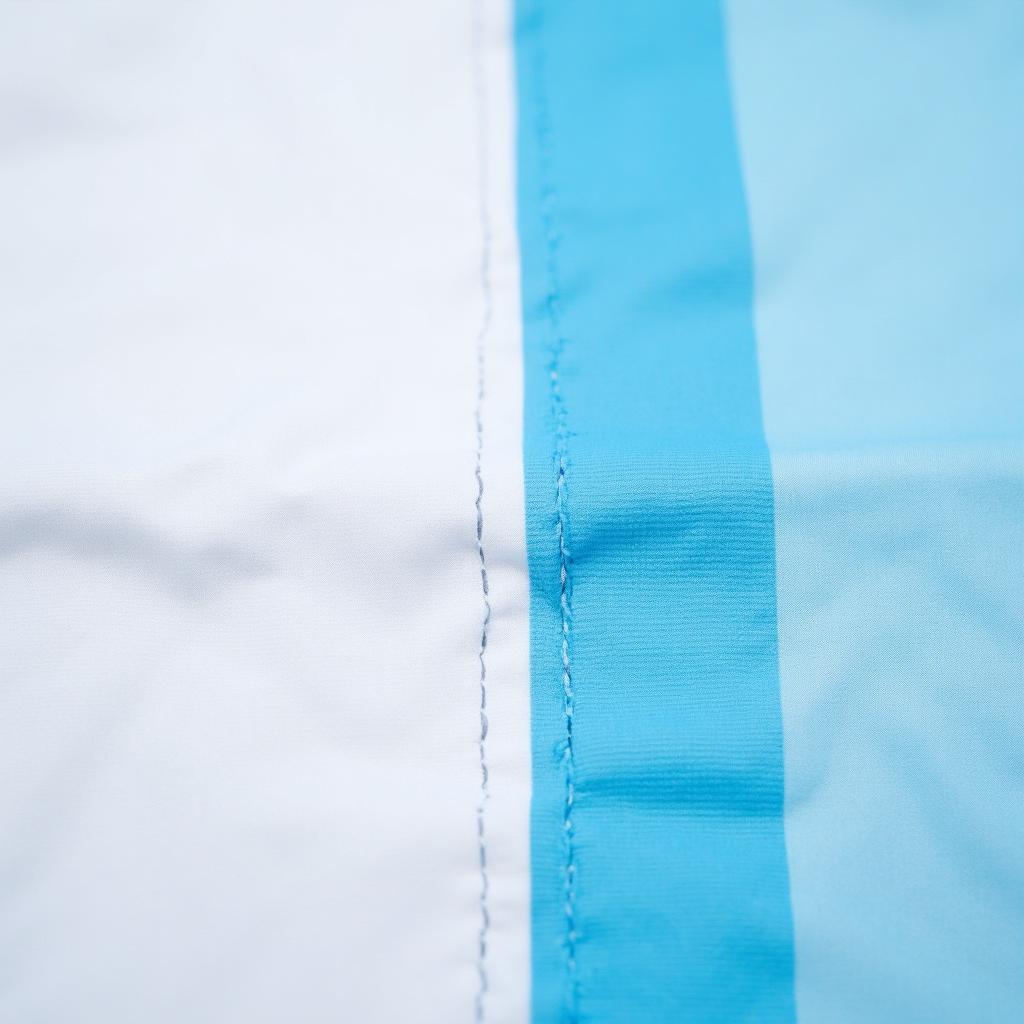
Visible needle holes
Blue tape barrier
- • Thousands of needle holes create pathways
- • Capillary action wicks water inward
- • Pathogen "highways" through fabric structure
- • Blue tape covers all seams completely
- • High-temperature welding seals all holes
- • 100% liquid barrier achieved
"No Holes, No Leaks, No Compromise."
CSSD Workflow Failure Points: From 'Siphoning Effect' to 'Blind Reach Risk'
Within the standard decontamination workflow defined by AAMI ST79, every seemingly minor operational gap can expand into a fatal infection breach under fluid physics.
Fluid Dynamics & Barrier Technology:
- How to Prevent Cross-Contamination Using ASTM F1671 Viral Barrier Gowns
- How to Stop Microscopic Viral Penetration Using Isolation Gowns with Taped Seams
- How to Manage Airborne Fluid Spray with Isolation Gowns for Aerosol Generating Procedures
- How to Optimize Dental Safety with Customized Isolation Gowns for Aerosol Management
- How to Prevent Bloodborne Pathogen Transmission with Impervious Gowns for High-Risk Surgery
- How to Manage Mild to Moderate Fluid Exposure with PE Coated Isolation Gowns
Technicians reaching into 8-10 inch deep sinks with standard 9-inch gloves. When glove cuffs slip below gown sleeves, contaminated water actively 'siphons' up inner clothing through capillary action — even with intact gloves, pathogens bypass defenses to contact skin directly.
Manual Cleaning Zone: The Wrist Gap Danger
Glove length and thumb loop design determine whether the siphon pathway is blocked
Wrist Gap & 'Siphoning Blockade Mechanism'
The “Wrist Gap” is the biggest physical vulnerability in decontamination area infection control. Standard cleaning sinks are typically 8-10 inches deep, while standard exam gloves are only 9 inches long.

Short gloves create siphon pathway
Extended gloves with secure overlap
Siphoning Effect (FAIL)
- • Short gloves can't cover sleeve cuff
- • Contaminated water climbs up inner clothing
- • Wicking accelerates penetration
- ✗ Pathogens directly contact skin
Siphon Blockade (PASS)
- • 12-inch (300mm) extended gloves
- • Minimum 3-inch overlap coverage
- • Thumb loop prevents sleeve retraction
- ✓ Physically cuts off siphon pathway
The Physics of the Siphoning Effect
When there's sweat inside the glove and contaminated water outside, and they contact through the gown sleeve cuff, a liquid bridge forms. If external liquid level is higher (deep sink operations), dirty water gets actively "siphoned" into the glove— this is the Siphoning Effect. Even with intact gloves, contaminated water bypasses defenses to contact skin.
Medtecs Siphon Blockade Mechanism: Dual Defense Lines
Ensures minimum 3-inch overlap coverage
Prevents sleeve retraction during extension
Sharps Injury Anxiety: Threats Hidden Under Enzymatic Foam
To effectively break down bioburden, decontamination sinks are typically filled with dense enzymatic cleaner foam. This turns the sink into a “Visual Blind Spot.” Technicians must reach into murky water to retrieve critical medical and surgical instruments with zero visibility.
High-Risk Equipment in Blind Reach Operations
- Ultrasonic Cleaners — Submerged sharps retrieval
- Manual Cleaning Sinks — 8-10" deep immersion
- Washer-Disinfectors — Hot steam exposure
- Endoscopes & Duodenoscopes — Complex channels
- Orthopedic Instruments — Heavy, sharp edges
- Surgical Scissors & Bone Chisels — Hidden blades

"You can't see them, but our gown protects you from them."
Reprocessing Reusable Medical Devices: The Hidden Danger
When reprocessing reusable medical devices, technicians retrieve sharp instruments from ultrasonic cleaners and autoclaves without visibility. Complex devices like duodenoscopes require channel brushing that increases exposure time. This "not knowing when you'll get hurt" anxiety severely impacts work efficiency and contributes to CSSD technician burnout.
Medtecs CoverU™ Puncture Resistance
Standardized Protocols: Hand Hygiene & Safe Doffing
Protection relies not just on wearing gear, but on safe removal. Improper donning and doffing of PPE is a primary cause of self-contamination. Per CDC guidelines and facility Policies and Procedures, technicians must follow the “dirty to clean” sequence to ensure cross-contamination prevention.
Hand Hygiene Protocol
- Antiseptic hand rub after each PPE layer removal
- Before entering semi-restricted areas
- After any blood and body fluid exposures
- Final defense against Work Practice failures
Medtecs Easy-Doff Design
- Front-opening design minimizes outer contact
- Tear-away features for rapid removal
- Thumb loop releases cleanly during doffing
- Reduces self-contamination risk by design
CDC Doffing Reminder
After doffing, immediate Hand Hygiene using an antiseptic hand rub is the critical final line of defense for cross-contamination prevention. Hazardous chemicals and blood and body fluid residues must not transfer to clean zones or sterile storage areas.
Dispatching & Transport: Case Cart Safety
Proper handling of reusable medical equipment during dispatching is critical for maintaining Event-related sterility. Each sterilization cycle represents significant investment— damaged packaging means re-processing and surgical delays.
📋 Dispatching Safety Checklist
👟 Transport Zone PPE
When handling Genesis Sterilization Containers or STERIS Sterilization Pouches, the snag-free CoverU™ exterior provides superior Instrument Protection, reducing Packaging materials damage and maintaining Event-related sterility through the entire sterilization cycle and dispatch process for all reusable medical equipment.
Invisible Chemical Killers: Enzymatic Detergent & HLD Toxicology Defense
Decontamination area hazards come not only from patient blood (Biohazard), but equally from high-intensity chemicals (Chemical Hazard). This is the 'second battlefield' many procurement decision-makers overlook.
Manual Cleaning Safety:
Endoscope reprocessing with high-level disinfectants (Glutaraldehyde 3.4%, OPA 0.55%). Technicians experience prolonged exposure to volatile chemicals that penetrate standard latex gloves within 10 minutes. Enzymatic detergents actively 'digest' unprotected skin proteins, causing chemical burns.
Chemical Defense Zone: The Invisible Second Battlefield
Breakthrough time data determines whether your 8-hour shift is protected or exposed
Enzymatic Burn Warning
Enzymatic detergents work by using protease to break down blood, mucus, and tissue proteins. However, human skin's keratin layer is also made of protein. When PPE fails and high-concentration enzyme solution contacts skin, it starts "digesting" the skin surface layer, causing contact dermatitis or even chemical burns.
CSSD Killer Chemicals: Breakthrough Time Comparison
Based on ASTM D6978 / EN 16523 Permeation Testing Standards
| Chemical Agent | Concentration | Application | Medtecs Nitrile | Standard Latex |
|---|---|---|---|---|
Glutaraldehyde | 3.4% | Endoscope High-Level Disinfection | > 480 min | < 10 min |
OPA (Ortho-phthalaldehyde) | 0.55% | Medical Device Disinfection | > 480 min | < 15 min |
Hydrogen Peroxide | 30% | Plasma Sterilization | > 480 min | < 30 min |
Ethylene Oxide (EtO) | Vapor | Gas Sterilization (Carcinogenic) | > 480 min | < 5 min |
Peracetic Acid | 0.2% | Low-Temp Sterilization | > 480 min | < 20 min |
Custom Formulation Available: While our standard nitrile gloves are tested against common CSSD chemicals per ASTM D6978, we understand facilities may use specialized reagents or proprietary disinfectant blends. As a manufacturer, Medtecs can adjust nitrile formulation and dipping thickness to provide customized permeation protection for your specific chemical formulary. This capability is grounded in our understanding of the OSHA Hazard Communication Standard and alignment with Safety Data Sheets (SDS).
Need a specific breakthrough time report for your chemical inventory? Contact our R&D Team for project-based customization.
Beyond Cleaning: Protection for Chemical Sterilization Processes
While enzymatic cleaners are a risk, Chemical Sterilization methods in Sterilization Systems pose severe respiratory and dermal threats. Staff must consult Safety Data Sheets (SDS) and use Heavy duty disposable gloves specifically tested against these agents in compliance with the OSHA Hazard Communication Standard. Common disinfectants like Sodium hypochlorite (bleach) used for environmental cleaning also require appropriate PPE.
- • Ethylene oxide sterilization carcinogenic risk
- • Aeration phase off-gassing
- • EtO cartridge handling exposure
- • Requires respiratory protection
- • Hydrogen peroxide plasma systems
- • Vaporized H₂O₂ splash during loading
- • STERRAD® Sterilization Systems
- • Cartridge change chemical exposure
- • Steam sterilization at 121-134°C
- • Flash sterilization burn hazards
- • Autoclaves door opening burns
- • Hot condensate scalds
- • Biologic indicators handling
- • Sterilization cycle verification
- • Spore test incubation safety
- • Documentation compliance
Medtecs nitrile gloves protect against decontamination-area Glutaraldehyde/OPA, Sodium hypochlorite, sterilization-area ethylene oxide sterilization and hydrogen peroxide plasma exposure, AND provide heat resistance for steam sterilization and Flash sterilization unloading tasks—one glove solution for the entire CSSD workflow. Always verify Biologic indicators after each sterilization cycle.
Medtecs rigorously tests per ASTM D6978 standards against CSSD’s most common killer chemicals, providing up to 8-hour (480-minute) golden protection period. All products comply with OSHA Hazard Communication Standard requirements.
Cross-Industry Proof: Veterinary, Mortuary & Laboratory Extreme Validation
To prove Medtecs product reliability in hospital CSSD, we extend our perspective to non-traditional medical fields with even harsher conditions. This cross-industry 'stress testing' logic: if our PPE survives these extremes, hospital decontamination operations have abundant safety margins.
Chemical & Oncology Safety:
From veterinary clinics handling Parvovirus outbreaks to mortuary embalmers facing arterial spray, Medtecs PPE undergoes the most demanding real-world tests. If it survives these extremes, your CSSD sink operations are easily within safe margins.
Cross-Industry Evidence: Extreme Stress Testing
If our PPE withstands arterial spray and large-animal bathing, your decontamination sink is a walk in the park
Veterinary Clinics
Parvovirus Outbreak & High-Pressure Medicated Baths
Large dogs shaking off water during medicated baths
360° dynamic spray at unpredictable angles, full-body saturation risk
Field feedback: Inner scrubs remain dry after intense bathing sessions
Mortuary Embalming
Cavity Aspiration & Formaldehyde Exposure
High-pressure arterial injection and cavity aspiration
Sudden high-pressure blood/fluid spray, combined chemical exposure (formaldehyde)
Dual protection: Blocks body fluids AND resists formaldehyde permeation
BSL Laboratories
Autoclave Operations & Biohazard Handling
Steam autoclave loading/unloading at elevated temperatures
High-temperature steam exposure, potential biohazard splash during transfers
Heat-resistant microporous film maintains integrity under thermal stress
"Before switching to Medtecs BVB gowns, bathing a Golden Retriever felt like taking a shower myself. Now my scrubs stay completely dry even after the most chaotic grooming sessions. If this gown can handle a 90-pound dog shaking off medicated water, hospital sinks are nothing."— Veterinary Technician, Large Animal Clinic
The Stress Test Logic
"If Medtecs PPE can withstand high-pressure arterial spray during embalming, it will absolutely handle your CSSD decontamination sink with massive safety margins."
These extreme scenarios provide side-channel evidence for hospital procurement committees—real-world durability that exceeds any controlled laboratory test.
Clinically Proven Solution: Medtecs CoverU™ Technical Specifications
After analyzing all regulatory requirements, physical mechanisms, and scenario pain points, all evidence points to one core solution: Medtecs CoverU™ Microporous Breathable Viral Barrier (BVB) technology with heat-sealed taping process.
Extreme Stress Testing Insights:
Complete ecosystem protection: CoverU™ IL-4036YKTP isolation gown with heat-sealed taped seams, 12-inch extended nitrile gloves with ASTM D6978 chemical resistance, and thumb loop design for siphon blockade. Every component engineered for CSSD decontamination extremes.
Medtecs Total Solution: The Complete Ecosystem
ASTM F1671 viral barrier + MVTR > 2000 + Heat-sealed seams = Zero compromise protection
Virus Size Defense Spectrum
Medtecs BVB technology blocks 27nm Phi-X174 bacteriophage— meaning all larger viruses are completely blocked
CSSD Decontamination Protection Technical Comparison
Objective comparison based on ASTM test data
| Criteria | Medtecs CoverU™AAMI Level 4 | Standard SMS Gown |
|---|---|---|
Viral Penetration (ASTM F1671) | Pass ✓ | Fail / Not Tested |
Synthetic Blood (ASTM F1670) | Pass ✓ | Pass |
Seam Treatment Needle hole sealing method | Heat-Sealed Taped | Serged (Sewn) |
MVTR (Breathability) | > 2000 g/m²/24h | < 500 g/m²/24h |
Chemical Breakthrough Glutaraldehyde 3.4% | > 480 min | < 10 min |
Hydrostatic Pressure (AATCC 127) | > 50cm H₂O | < 20cm H₂O |
Reusable vs Disposable: The Invisible Degradation
Why washable fabric gowns are NOT suitable for decontamination areas
| Evaluation Criteria | Washable Reusable Gowns | Medtecs DisposableZERO DEGRADATION |
|---|---|---|
| Protection Consistency | Degrades with each wash cycle | 100% new performance every use |
| Management Tracking Cost | Grid-marking to track wash counts | Zero tracking overhead |
| Cross-Contamination Risk | Residue may remain after washing | Completely eliminated |
| DWR Coating Integrity | Micro-cracks after 50 washes | Factory-sealed coating |
| Lean-Against Penetration | Coating failure = instant strike-through | Level 4 hydrostatic protection |
| Inventory Complexity | Track individual garment lifespan | Simple FIFO (First-In-First-Out) |
| Quality Documentation | Manual logging, human error risk | Lot-traceable, zero admin burden |
Zero Degradation = Every CoverU™ out of packaging is brand new, performance-perfect Level 4 protection
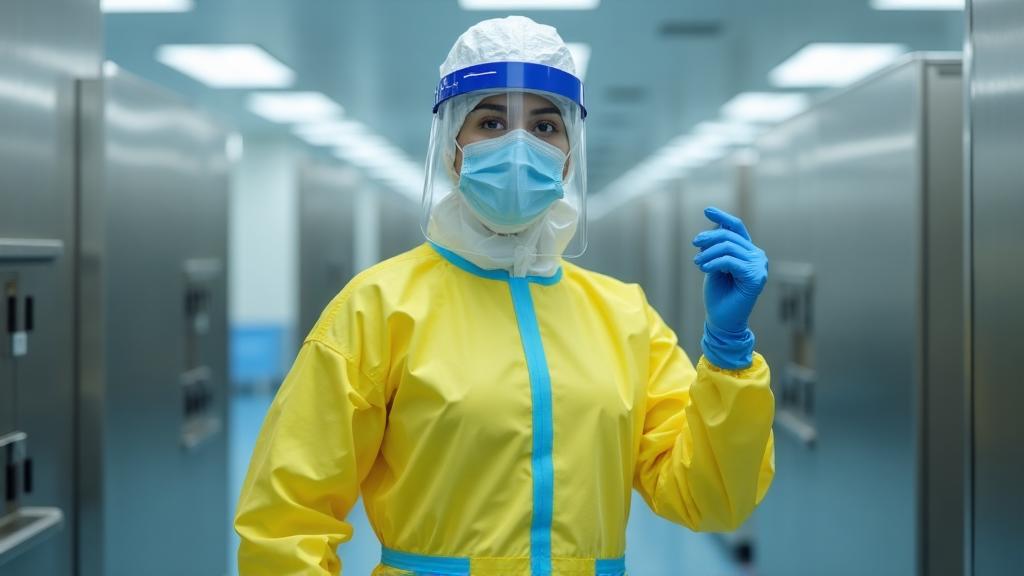
Head-to-Toe Zero-Gap Protection
Complete PPE integration for CSSD decontamination workflows
Complete Protection Ecosystem Design
Integrated solution consulting — every zone covered, every gap sealed
As an Ecosystem Integrator: Medtecs provides core protection (isolation gowns, extended gloves) and offers design recommendations and manufacturing capability for complementary accessories. For facilities requiring fully integrated sourcing, we can manufacture or co-source items to your specifications through our supply chain partnerships.
Head Protection
Face & Eye Protection
Body Protection
Foot Protection
PPE Attire Code Compliance
Per APSIC Guidelines and facility Policies and Procedures, all CSSD personnel in health care facilities must:
Medtecs CoverU™ gowns or jumpsuits are designed for comfortable layering over uniforms and surgical scrubs, with optional beard covers and disposable bouffant-type head covering for complete coverage.

Training & Documentation Compliance
Simplify Policies and Procedures with standardized PPE systems for interdisciplinary teams
Microlearning & CEU Resources
Professional Certification
- HSPA (International Association of Healthcare Central Service Materiel Management) certification
- CBSPD credentialing support
- Central sterile supply technician training
- Certified operating room nurse resources
Record Keeping
- Certificate of completion tracking
- Contact hours documentation
- Audit-ready compliance records
- Healthcare information management integration
Disposable PPE = Simplified Quality Control
- • Manual wash-cycle counting
- • Complex record keeping
- • Degradation assessment training
- • Audit liability risk
- • Zero tracking—always Level 4
- • Simplified policies and procedures
- • Auto quality control compliance
- • Reduced admin burden
Educational Partners & Resources
Our content aligns with industry standards championed by experts like Torres Teakell RN and Brenda Kozak, helping sterile processing technicians and certified operating room nurses build a common language within interdisciplinary teams.
Use our technical resources as supplementary learning materials for accumulating contact hours and earning your certificate of completion toward HSPA or CBSPD certification.
Leverage clinical experience-based training modules for in-service training, supporting your healthcare information management and compliance documentation needs.
Partnering for Professional Growth
International Association of Healthcare Central Service Materiel Management (now HSPA) standards form the foundation of our educational approach.
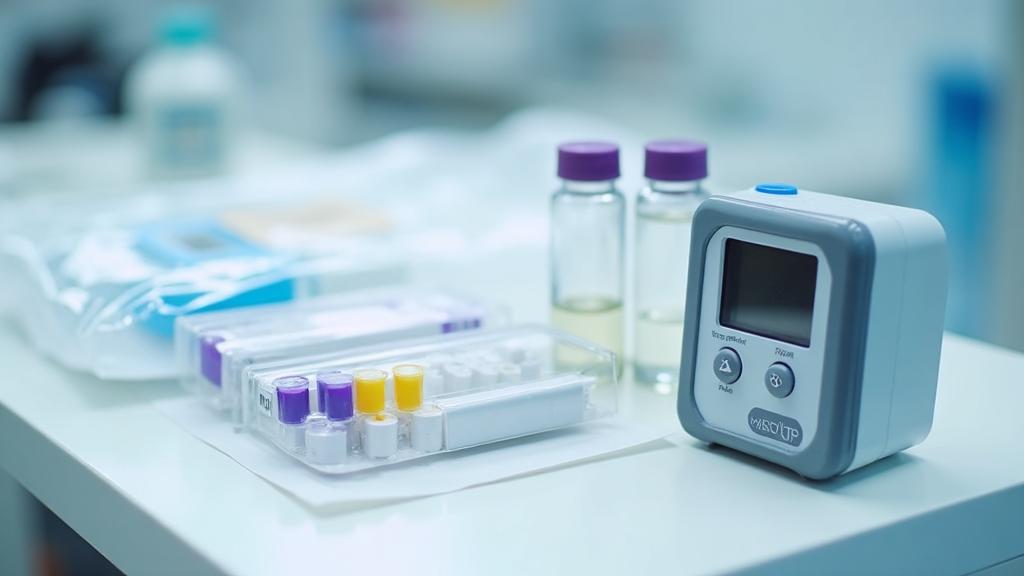
Quality Assurance & Sterilization Monitoring
Ensuring patient safety through rigorous validation protocols
Beyond proper PPE usage, sterile processing departments must maintain comprehensive quality assurance programs. Biological Monitoring and Chemical Monitoring are standard practices for validating the safety of reprocessing reusable medical devices.
Biological Monitoring
- Biological Indicators (BIs) for each sterilizer
- Spore testing for Steam Sterilization
- Flash sterilization validation
- Weekly routine testing cycles
Chemical Monitoring
- Chemical Indicators (CIs) in each pack
- Integrator placement protocols
- Sterilization pouches indicator verification
- Temperature/time parameter checks
Load Documentation
- Load contents record keeping
- Sterilizer cycle parameters
- Genesis Sterilization Containers tracking
- Instrument traceability logs
High-Risk Device Reprocessing: Critical Medical and Surgical Instruments
- Duodenoscopes — Complex channel cleaning
- Endoscopes — Lumen verification required
- Automated Endoscope Reprocessors (AERs)
- Every load requires BI/CI verification
- Implant loads held pending BI results
- Documentation for patient health traceability
Interdisciplinary teams rely on properly protected technicians to handle Critical medical and surgical instruments without contamination. Medtecs disposable PPE ensures consistent protection quality—supporting quality control standards by eliminating the degradation variables inherent in reusable garments. When PPE protection is predictable, sterilization facilities can focus on process excellence rather than equipment worries.
Standardized Donning & Doffing Protocols
Safe removal is the critical final defense against cross-contamination
Per CDC guidelines and APSIC recommendations, proper donning and doffing of PPE is essential for cross-contamination prevention. Improper removal is a primary cause of self-contamination—even the best protective equipment fails if removed incorrectly. Adhering to these Work Practices ensures that hazardous chemicals and pathogens remain isolated in the decontamination area.
Safe Doffing Sequence (Dirty → Clean)
Hand Hygiene: The Final Defense
Hand Hygiene using antiseptic hand rub (alcohol-based) or soap and water is the critical final step after any PPE removal sequence.
- Before and after patient contact zones
- After removing each layer of PPE
- Before entering semi-restricted areas
- Before handling sterile storage items
Common Doffing Errors
- ✗Touching outer gown surface with bare hands
- ✗Pulling gown over head (spreading contaminants)
- ✗Removing mask/face shield before gown
- ✗Skipping hand hygiene between steps
Glove Change Frequency Guidelines
- • Visible contamination or tears
- • After handling heavily soiled items
- • Blood and body fluid exposures
- • Every 30-60 minutes during heavy work
- • Between different instrument sets
- • When switching task zones
- • Sharp instrument handling
- • Extended chemical exposure
- • High-risk pathogen protocols
CoverU™ gowns feature front-opening designs and reinforced tear-away points that minimize contact with the outer contaminated surface during removal. The thumb loop design keeps sleeves secured during work, then releases cleanly during the doffing sequence—reducing the risk of accidental contact with blood and body fluid residues on cuffs.
CoverU™ IL-4036YKTP Product Specifications
OEM/ODM Manufacturing Capability
Factory-Direct Customization for Facility-Specific Requirements
While our standard product line meets AAMI Level 4 and ASTM F1671 viral barrier requirements, Medtecs operates as a vertically-integrated manufacturer with full control over material sourcing, fabric lamination, and heat-sealing processes. This enables us to customize barrier specifications for facilities with unique protocol requirements.
Orthopedic & Trauma
Reinforced critical zones (abdomen/forearms) with secondary barrier layers for high-splash surgical trays
Chemical Formulary
Adjusted nitrile formulations to meet specific ASTM F739 or EN 374 breakthrough times for your chemical inventory
Extended Sizes
Custom sizing matrices and length modifications for diverse workforce anthropometrics
Manufacturing Partner Advantage: Need a specific permeation test report, custom barrier weight, or specialized seam reinforcement? Our R&D and production teams work directly with hospital Value Analysis Committees to develop specifications that address your exact clinical scenarios.
Integrated Ecosystem Solutions:
ROI & Cost-Benefit Verdict
Comprehensive reusable vs. disposable PPE analysis for procurement decision-makers and CFOs
Reusable vs Disposable: The Invisible Degradation
Why washable fabric gowns are NOT suitable for decontamination areas
| Evaluation Criteria | Washable Reusable Gowns | Medtecs DisposableZERO DEGRADATION |
|---|---|---|
| Protection Consistency | Degrades with each wash cycle | 100% new performance every use |
| Management Tracking Cost | Grid-marking to track wash counts | Zero tracking overhead |
| Cross-Contamination Risk | Residue may remain after washing | Completely eliminated |
| DWR Coating Integrity | Micro-cracks after 50 washes | Factory-sealed coating |
| Lean-Against Penetration | Coating failure = instant strike-through | Level 4 hydrostatic protection |
| Inventory Complexity | Track individual garment lifespan | Simple FIFO (First-In-First-Out) |
| Quality Documentation | Manual logging, human error risk | Lot-traceable, zero admin burden |
Zero Degradation = Every CoverU™ out of packaging is brand new, performance-perfect Level 4 protection
The Final Verdict: Complete Protection Ecosystem
See how Medtecs Total Solution eliminates every protection gap that piecemeal PPE purchasing creates
Medtecs Ecosystem Advantage Matrix
Piecemeal Generic PPE vs. Medtecs Integrated Protection System
Protection Metric | Generic Piecemeal PPE | Medtecs Total Solution |
|---|---|---|
| Wrist Protection | High Risk (Glove Slippage) | 12" Gloves + Thumb Loop = Siphon Blocked |
| Viral Barrier | Blood Only / Untested | ASTM F1671 Pass (27nm Phi-X174) |
| Chemical Resistance | < 10 min breakthrough | > 480 min (Full 8-hr shift) |
| Heat Stress (MVTR) | < 500 g/m²/24h (Sauna Effect) | > 2000 g/m²/24h (Breathable) |
| Seam Protection | Serged (Needle Holes) | Heat-Sealed Taped (100% Seal) |
| Performance Degradation | Degrades with washing/reuse | Zero Degradation (Always New) |
| Compliance Documentation | Mixed certifications, gaps | Full AAMI L4 + ASTM Suite |
| Ecosystem Integration | Piecemeal (coverage gaps) | Complete Head-to-Wrist System |
Medtecs Total Solution= Zero gaps, zero compromise, complete protection ecosystem
Operational ROI Insights:
Protect CSSD Heroes: Upgrade to AAMI ST79 Compliant Equipment
Main CSSD Decontamination Solution:
Related CSSD Decontamination Resources:
Compliance & Regulatory StandardsHow to Meet Bloodborne Pathogens Standards with OSHA Compliant Decontamination PPE
How to Navigate Hospital Procurement with FDA 510(k) Cleared Isolation Gowns
How to Prevent Cross-Contamination Using ASTM F1671 Viral Barrier Gowns
How to Ensure Oncology Safety with USP 800 Compliant Oncology PPE
How to Implement Zonal Safety Using a Yellow AAMI Level 4 Isolation Gown
How to Choose Between SMS and Microporous Laminate Isolation Gowns for CSSD
How to Balance Comfort and Protection with 36 GSM Isolation Gowns
How to Prevent Wrist Exposure Using Isolation Gowns with Thumb Loops
How to Accelerate Emergency Responses Using Over-the-Head Design Isolation Gowns
How to Stop Microscopic Viral Penetration Using Isolation Gowns with Taped Seams
How to Manage Mild to Moderate Fluid Exposure with PE Coated Isolation Gowns
How to Optimize ER Trauma Responses Using AAMI Level 4 Isolation Gowns
How to Maintain Infection Control Using Isolation Gowns for ICU Settings
How to Prevent Bloodborne Pathogen Transmission with Impervious Gowns for High-Risk Surgery
How to Manage Airborne Fluid Spray with Isolation Gowns for Aerosol Generating Procedures
How to Optimize Dental Safety with Customized Isolation Gowns for Aerosol Management
How to Ensure Full-Body Protection with Disposable Coveralls for Decontamination
CSSD Decontamination Protection Technical Comparison
Objective comparison based on ASTM test data
| Criteria | Medtecs CoverU™AAMI Level 4 | Standard SMS Gown |
|---|---|---|
Viral Penetration (ASTM F1671) | Pass ✓ | Fail / Not Tested |
Synthetic Blood (ASTM F1670) | Pass ✓ | Pass |
Seam Treatment Needle hole sealing method | Heat-Sealed Taped | Serged (Sewn) |
MVTR (Breathability) | > 2000 g/m²/24h | < 500 g/m²/24h |
Chemical Breakthrough Glutaraldehyde 3.4% | > 480 min | < 10 min |
Hydrostatic Pressure (AATCC 127) | > 50cm H₂O | < 20cm H₂O |
Head-to-Toe Zero-Gap Protection
Complete PPE integration for CSSD decontamination workflows
Complete Protection Ecosystem Design
Integrated solution consulting — every zone covered, every gap sealed
As an Ecosystem Integrator: Medtecs provides core protection (isolation gowns, extended gloves) and offers design recommendations and manufacturing capability for complementary accessories. For facilities requiring fully integrated sourcing, we can manufacture or co-source items to your specifications through our supply chain partnerships.
Head Protection
Face & Eye Protection
Body Protection
Foot Protection
PPE Attire Code Compliance
Per APSIC Guidelines and facility Policies and Procedures, all CSSD personnel in health care facilities must:
Medtecs CoverU™ gowns or jumpsuits are designed for comfortable layering over uniforms and surgical scrubs, with optional beard covers and disposable bouffant-type head covering for complete coverage.
CoverU™ IL-4036YKTP Product Specifications
OEM/ODM Manufacturing Capability
Factory-Direct Customization for Facility-Specific Requirements
While our standard product line meets AAMI Level 4 and ASTM F1671 viral barrier requirements, Medtecs operates as a vertically-integrated manufacturer with full control over material sourcing, fabric lamination, and heat-sealing processes. This enables us to customize barrier specifications for facilities with unique protocol requirements.
Orthopedic & Trauma
Reinforced critical zones (abdomen/forearms) with secondary barrier layers for high-splash surgical trays
Chemical Formulary
Adjusted nitrile formulations to meet specific ASTM F739 or EN 374 breakthrough times for your chemical inventory
Extended Sizes
Custom sizing matrices and length modifications for diverse workforce anthropometrics
Manufacturing Partner Advantage: Need a specific permeation test report, custom barrier weight, or specialized seam reinforcement? Our R&D and production teams work directly with hospital Value Analysis Committees to develop specifications that address your exact clinical scenarios.
Protect CSSD Heroes: Upgrade to AAMI ST79 Compliant Equipment
Request complete ASTM test reports and clinical comparison checklists to support your procurement decisions
Medtecs Group — Global Custom Isolation Gown Manufacturing & Factory OEM/ODM Services
-
BY Protection Level (AAMI) Isolation Gowns:
AAMI Level 1 Isolation Gowns,
AAMI Level 2 Isolation Gowns,
AAMI Level 3 Isolation Gowns,
AAMI Level 4 Isolation Gowns,
Yellow AAMI Level 4 Isolation Gowns
-
BY Color Isolation Gowns:
Blue Isolation Gowns,
White Isolation Gowns,
Yellow Isolation Gowns
-
BY Sterility Isolation Gowns:
Non-Sterile Isolation Gowns
-
BY Feature Isolation Gowns:
Isolation Gowns with Knit Cuffs,
Tie Neck Isolation Gowns,
Isolation Gowns with Thumb Loops
-
BY Compliance Standard Isolation Gowns:
FDA 510(k) Cleared Isolation Gowns,
ASTM F1670 Compliant Isolation Gowns (Synthetic Blood),
ASTM F1671 Compliant Isolation Gowns (Viral Penetration)
-
BY Fabric Weight (GSM) Isolation Gowns:
25 gsm Isolation Gowns,
36 gsm Isolation Gowns,
63 gsm Isolation Gowns
-
BY Back Style Isolation Gowns:
Open Back Isolation Gowns,
Over-the-Head Design Isolation Gowns
-
BY Material Isolation Gowns:
SMS Isolation Gowns,
PE Coated Isolation Gowns,
Microporous Laminate Isolation Gowns
-
BY Usability Isolation Gowns:
Disposable Isolation Gowns
-
BY Seam Style Isolation Gowns:
Isolation Gowns with Taped Seams
-
BY Application / Use Case Isolation Gowns:
Isolation Gowns for ICU(Intensive Care Unit),
Isolation Gowns for ER (Emergency Room) & Trauma,
Isolation Gowns for Decontamination,
Isolation Gowns for Basic Patient Care & Visitor Use,
Isolation Gowns for Long-Term Care Facilities
-
BY Solution :
ER & Trauma Center PPE: Impervious Gowns for High-Risk Surgery
(Trauma Surgeons,
Triage Nurses,
ICU Staff,
Procurement
),USP Oncology PPE: Gowns & Gloves >480 Min Carmustine Protection
(Pharmacy,
Nursing,
EVS,
Procurement
),Hospital CSSD Decontamination Biosafety Compendium
(Technicians,
Compliance Officers,
OHS Personnel,
Procurement
)

