
Business Solutions

Business Solutions

Understanding ASTM D6978 Certification for Oncology PPE

Understanding ASTM D6978 Certification for Oncology PPE
Image Source: pexels

Certification Matters: Decoding ASTM D6978 PPE Certification for Oncology ensures that personal protective equipment (PPE) meets rigorous safety standards for handling hazardous drugs. This certification matters greatly in oncology settings. Healthcare professionals like you face risks when dealing with chemotherapy agents. Properly certified PPE protects you from exposure and ensures compliance with safety regulations. By prioritizing certified products, you contribute to a safer environment for yourself and your patients.

Key Takeaways

  • ASTM D6978 certification ensures PPE effectively protects healthcare workers from hazardous drugs, especially chemotherapy agents.

  • Always choose ASTM D6978-certified gloves and PPE to minimize exposure risks and enhance safety in oncology settings.

  • Certification involves rigorous testing for permeation resistance, confirming that materials withstand exposure to toxic substances.

  • Using certified PPE not only safeguards your health but also contributes to a safer environment for patients and colleagues.

  • Regularly check for ASTM D6978 certification when purchasing PPE to ensure you are using the most effective protective equipment.

ASTM D6978 Certification Overview

ASTM D6978 Certification Overview
Image Source: pexels

Importance of Certification Matters

ASTM D6978 certification plays a crucial role in ensuring the safety of personal protective equipment (PPE) used in oncology settings. This certification specifically addresses the need for PPE that protects healthcare workers from hazardous drugs, particularly chemotherapy agents. The certification process involves rigorous testing to confirm that the materials used in gloves and other PPE can withstand exposure to these toxic substances.

The certification process includes several key steps:

  1. Material Testing: Manufacturers must submit samples of their PPE for testing against specific chemotherapy drugs. This testing evaluates the resistance of the materials to permeation and degradation.

  2. Compliance Verification: Independent laboratories assess the results to ensure that the PPE meets the ASTM D6978 standards.

  3. Certification Issuance: Once a product passes the tests, it receives certification, allowing it to be marketed as safe for use in oncology.

By adhering to ASTM D6978 standards, you significantly enhance your safety while handling chemotherapy drugs. The certification ensures that gloves and other PPE are resistant to these highly toxic substances. This resistance minimizes your risk of exposure, which can lead to serious health issues.

Moreover, certified PPE not only protects you but also impacts patient care positively. When healthcare workers use ASTM D6978-certified products, they reduce the likelihood of contaminating the environment or inadvertently exposing patients to hazardous drugs. This compliance with safety standards fosters a safer healthcare environment for everyone involved.

ASTM D6978 and PPE Products

ASTM D6978 and PPE Products
Image Source: pexels

Testing Protocols for Gloves

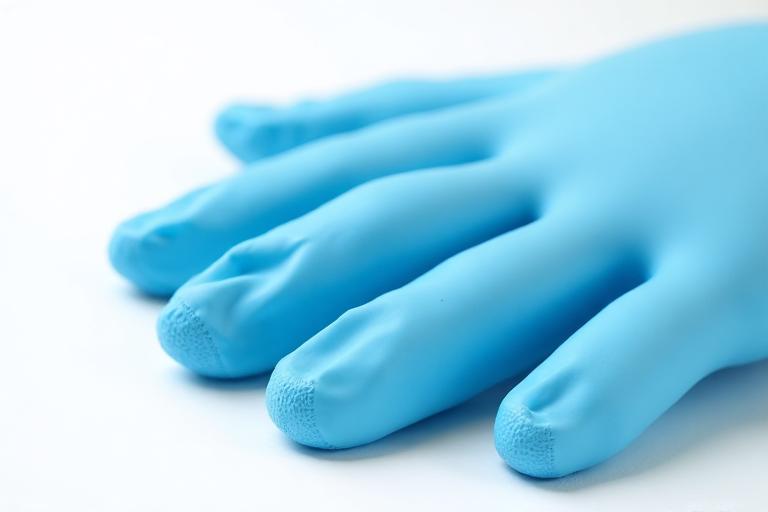
Gloves play a critical role in chemotherapy settings. They protect you from hazardous drugs, ensuring your safety while you care for patients. ASTM D6978 certification specifically addresses the effectiveness of gloves against chemotherapy agents. However, gloves are not the only PPE items that require certification. Other relevant PPE includes:

These items also undergo rigorous testing to ensure they meet safety standards.

The testing protocols for glove materials under ASTM D6978 are comprehensive. They evaluate how well gloves resist permeation by chemotherapy agents. Permeation resistance is crucial because it determines how effectively the glove material prevents harmful substances from passing through.

To measure permeation resistance, ASTM D6978 protocols expose disposable medical gloves to chemotherapy agents in aqueous solutions at their highest concentrations for four hours. The testing occurs in a permeation cell under continuous contact conditions at a temperature of 35 ± 2 °C. The breakthrough detection time is set at 0.010 μg/cm²/min, focusing on the thinnest part of the glove. A minimum of nine chemotherapy agents, including carmustine and cyclophosphamide, must be tested.

You may wonder how ASTM D6978-certified gloves compare to non-certified gloves. Here’s a quick look at the differences:

Feature

ASTM D6978-Certified Gloves

Non-Certified Gloves

Testing for permeation resistance

Yes, against chemotherapy drugs and fentanyl

Not necessarily applicable

Standard compliance

Meets ASTM D6978-05 standard

Varies, may not meet any specific standard

Duration of effective barrier

Effective for 240 minutes against fentanyl

Varies, not specifically tested

In real-world clinical settings, ASTM D6978-certified gloves provide an effective barrier against fentanyl exposure for up to 240 minutes. This testing includes simulations that mimic scenarios first responders may encounter, demonstrating the gloves’ reliability in dynamic environments.

By choosing ASTM D6978-certified gloves, you ensure that you have the best protection available while handling hazardous materials. This choice not only safeguards your health but also enhances the overall safety of your workplace.

Global Relevance of ASTM D6978

ASTM D6978 certification holds significant importance in the United States and beyond. In the U.S., healthcare facilities widely adopt this standard to ensure the safety of their staff. You can find ASTM D6978 certification prominently featured in hospitals, clinics, and laboratories where healthcare professionals handle hazardous drugs. This certification helps you select appropriate PPE, minimizing the risk of exposure to toxic substances.

Globally, ASTM D6978 has gained recognition as an essential standard for evaluating medical gloves against chemotherapy drugs. Here are some key points about its international relevance:

  • Specific Focus: ASTM D6978 specifically evaluates gloves for their resistance to chemotherapy drugs. This focus is vital for selecting the right gloves in healthcare settings.

  • Effective Barrier: The standard outlines methods for assessing permeation resistance, ensuring gloves act as effective barriers against harmful substances like fentanyl.

  • Safety Assurance: By focusing on permeation resistance, ASTM D6978 plays a crucial role in ensuring safety in environments where exposure to hazardous drugs is a concern.

Many countries recognize ASTM D6978 as a benchmark for PPE safety. This recognition encourages manufacturers worldwide to comply with these rigorous standards. As a result, you can trust that ASTM D6978-certified products provide reliable protection, regardless of where you practice.

In summary, ASTM D6978 certification is vital for ensuring safety and compliance in oncology PPE. This certification guarantees that your protective equipment effectively shields you from hazardous drug exposure. Here are some key points to remember:

Key Point

Description

Effectiveness

Ensures PPE is effective against chemotherapy drug exposure.

Standards Compliance

Indicates compliance with specific resistance standards.

Protection

Essential for protecting healthcare workers during drug handling.

You should prioritize certified products in your practice. By doing so, you enhance your safety and contribute to a healthier environment for your patients and colleagues. Always choose ASTM D6978-certified PPE to ensure you are well-protected.

FAQ

What does ASTM D6978 certification ensure for PPE?

ASTM D6978 certification ensures that PPE, like gloves, effectively protects you from hazardous drugs, particularly chemotherapy agents. It confirms that the materials resist permeation and degradation.

How often should I check for ASTM D6978 certification?

You should check for ASTM D6978 certification each time you purchase PPE. This ensures that you always use the most current and effective protective equipment available.

Are all gloves suitable for handling chemotherapy drugs?

No, not all gloves are suitable. Only ASTM D6978-certified gloves have undergone rigorous testing to ensure they provide adequate protection against chemotherapy agents.

Can I use non-certified gloves in oncology settings?

Using non-certified gloves in oncology settings is risky. They may not provide the necessary protection against hazardous drugs, increasing your exposure risk.

Where can I find ASTM D6978-certified PPE?

You can find ASTM D6978-certified PPE at medical supply stores, online retailers, and directly from manufacturers. Always verify the certification before purchasing.



Main Oncology Solution:

Related USP 800 PPE Resources:

I. Compliance & Strategic Facility Management

II. Role-Specific Protection & Equipment Selection

III. Operational Safety & Handling Protocols

IV. Workforce Training & Safety Culture

FDA 510(k) K222907 Cleared | Tested for Use with Chemotherapy Drugs

USP <800> Compliant Hand Protection Solutions

Chemotherapy-tested gloves are the most frequently contacted PPE in hazardous drug handling. USP <800> mandates Double Gloving for all compounding and administration tasks. Medtecs N1000 Nitrile Series provides ASTM D6978 tested protection as the foundation of your hand protection protocol.

⚠️ Procurement Warning: Not All "Exam Gloves" Are Equal

Many facilities mistakenly use standard ASTM D6319 exam gloves for chemotherapy handling. This is non-compliant with USP <800>. Only gloves tested to ASTM D6978(chemotherapy-specific permeation standard at 35°C body temperature) are acceptable for antineoplastic drugs.

Medtecs N1000 Series Specifications

Technical Specifications

  • 100% Nitrile (NBR)— Superior chemical resistance vs. latex
  • FDA 510(k) K222907— Specifically labeled 'Use with Chemotherapy Drugs'
  • ASTM D6978 Tested— 35°C body temperature simulation (not 23°C room temp)
  • 9 Chemotherapy Agents— Including Carmustine & Thiotepa (hardest to block)
  • 4-5 mil Thickness— Balance of protection and tactile sensitivity
  • AQL 1.5 (EU) / 2.5 (US)— Pinhole defect rate per ISO 2859-1
  • Size Range— XS-XL (N1000-1 to N1000-5)
  • Finger-Textured Design

    Why N1000? Standard gloves fail as skin heats up. Medtecs N1000 series is tested at 35°C (Body Temperature Simulation) rather than standard room temp (23°C), ensuring the ASTM D6978 chemical barrier holds firm during real-world oncology operations.

    Precision grip on glass vials and syringes without compromising the chemical barrier. Critical for Containment Aseptic Compounding Isolators where tactile feedback is essential.


    Micro-Textured

    Fingertip Pattern

    4-5 mil

    Optimal Thickness

    ASTM D6978 Breakthrough Times

    Tested at 35°C (body temperature simulation)

    DrugBreakthroughStatus
    Carmustine

    Highest permeation challenge

    > 30 minPass
    Thiotepa

    High lipophilicity

    > 30 minPass
    Cyclophosphamide

    Common alkylating agent

    > 240 minPass
    Cisplatin

    Nephrotoxic platinum compound

    > 240 minPass
    Doxorubicin

    Anthracycline cardiotoxin

    > 240 minPass
    Paclitaxel

    Taxane microtubule inhibitor

    > 240 minPass
    5-Fluorouracil

    Antimetabolite

    > 240 minPass
    Methotrexate

    Folate antagonist

    > 240 minPass
    Etoposide

    Topoisomerase inhibitor

    > 240 minPass

    Note: Carmustine and Thiotepa are the most challenging due to their small molecular size and high lipophilicity. > 30 min is the minimum ASTM D6978 requirement; Medtecs N1000 exceeds this threshold.

    USP <800> Double Gloving Protocol by Scenario

    Recommended chemotherapy gloves configuration for healthcare personnel

    ScenarioInner GloveOuter GloveChange Frequency
    Sterile Compounding (USP <797>/<800>)N1000 (Chemotherapy-tested) under gown cuffASTM D6978 compliant glove over cuff (sterile-ready options available)Every 30 min or immediately if compromised
    Non-Sterile CompoundingN1000 (Size M) under gown cuffN1000 (Size L) over gown cuffEvery 30 min or between patients
    Administration (Infusion Nurses)N1000 tucked under gownN1000 extending over gown cuffBetween each patient
    Spill Response (>5ml)N1000 Nitrile (chemical barrier)Utility-grade Chemical Resistant GloveAfter spill cleanup complete

    Pro Tip: Using a larger size for the outer glove (e.g., inner M + outer L) reduces hand fatigue during extended compounding sessions—a practice endorsed by experienced oncology pharmacists.


    Medtecs Solution Matrix: Tiered Protection for Every Role

    Pharmacy Directors need a tiered approach. From pharmacy techs compounding daily to spill response teams handling waste containment systems—choose the right protection level based on drug categories and workflow requirements.

    Tier 1

    Compounding

    Tier 2

    Surgery/HIPEC

    Tier 3

    Spill/Waste

    Tier 1: Compounding

    IL-4036YKTP (Yellow)

    Oncology Pharmacists, Pharmacy Techs

    Specifications

    Engineered PPSB+PE Laminate: Moisture-Vapor Breathable Technology (MVTR) optimizes thermal comfort while maintaining full barrier protection against oral chemo and routine admixtures.

    Use Case

    Daily Admixture in C-SCA, Handling Oral Chemotherapy, Virtual Hybrid IV Certification.

    Key Features

  • 36gsm PPSB+PE fabric
  • >480 min breakthrough (19 drugs)
  • Heat-sealed seams with tape
  • Knit cuff for glove tuck
  • Low-linting for cleanroom supplies
  • Permeation Test Results*

    carmustine:>480 min
    cyclophosphamide:>480 min
    thiotepa:>480 min

    🧤 The Perfect Pair: Gown + N1000 Gloves

    Double Gloving (Non-Sterile)
    Inner:N1000 (Size M) under gown cuff
    Outer:N1000 (Size L) over gown cuff

    Under-and-Over Technique: Larger outer size reduces hand fatigue

    Tier 2: Surgery/HIPEC

    IL-4063WKTP (White)

    Surgeons, OR Nurses

    Specifications

    63gsm Heavy Duty, AAMI Level 4, ASTM F1671 Viral Barrier.

    Use Case

    HIPEC Surgery, Trauma with Chemo Patients, High-fluid procedures.

    Key Features

  • 63gsm heavy-duty construction
  • ASTM F1671 viral barrier
  • AAMI Level 4 certified
  • Reinforced critical zones
  • Dual chemical + biological protection
  • Permeation Test Results*

    carmustine:>480 min
    viral Barrier:ASTM F1671 Pass
    blood Barrier:ASTM F1670 Pass

    🧤 The Perfect Pair: Gown + N1000 Gloves

    Chemotherapy-Tested Protocol
    Inner:N1000 (ASTM D6978 tested) under gown
    Outer:ASTM D6978 compliant glove (sterile-ready configurations available)

    Under-and-Over Technique: Maintains sterile field + chemo protection

    Tier 3: Spill/Waste

    IL-3063WEHTP (Coverall)

    EVS Staff, Spill Response Teams

    Specifications

    Type 5-B/6-B, Hooded, Taped Seams, Full body coverage. Compatible with Daniels' Sharpsmart protocols.

    Use Case

    Cytotoxic Drug Spills (>5ml), Waste Disposal, Disposing of HD. 100% Polyolefin material ensures Eco-Friendly Incineration (No toxic fumes).

    Key Features

  • Type 5-B/6-B certified
  • Full hood coverage
  • Taped seams throughout
  • Elastic wrists & ankles
  • EN 14126 biological protection
  • Permeation Test Results*

    carmustine:>480 min
    particle Protection:Type 5-B Pass
    spray Protection:Type 6-B Pass

    🧤 The Perfect Pair: Gown + N1000 Gloves

    Heavy Duty Protection
    Inner:N1000 Nitrile (chemical barrier)
    Outer:Utility-grade Chemical Resistant Glove

    Under-and-Over Technique: Outer protects against sharps (broken glass)

    Mandatory Add-ons (USP <800>)

  • Double shoe covers (2 pairs) per USP <800>
  • Chemical-resistant gloves (double gloving)
  • Elastomeric half-mask with multi-gas cartridge
  • Product Specification Comparison Table

    SpecificationIL-4036YKTPIL-4063WKTPIL-3063WEHTP
    Product TypeIsolation GownIsolation GownCoverall
    Weight (gsm)366363
    MaterialPPSB+PEPPSB+PESMS+PE
    AAMI LevelLevel 3Level 4N/A
    Permeation Resistance (19 drugs)*>480 min>480 min>480 min
    ASTM F1671 (Viral)✓ Pass✓ Pass
    Type 5-B/6-B✓ Yes
    Heat-Sealed Seams✓ Yes✓ Yes✓ Yes
    Primary Use CaseCompounding, AdministrationHIPEC, Surgery, TraumaSpill Control, Waste Disposal
    * Permeation resistance tested per ASTM protocols against 19 chemotherapy drugs including Carmustine and Thiotepa. Contact Medtecs for detailed test reports and testing conditions.


    Like this post? Tell a friend!

    Copyright Notice

    You may not reproduce, modify, publish, display, transmit, or in any way exploit any content on this website, or use such content to construct any kind of database without prior express written approval by Medtecs Group. For permission to use the content, please contact: pr@medtecs.com 

    Disclaimer 

    The information contained in this article is for general information purposes only. The Company does not guarantee the accuracy, relevance timeliness or completeness of any information, and the Company assumes no responsibility for errors or omission in the content of this article.

    Related Articles
    Scroll to Top
    Welcome to explore the corporate website of Medtecs Group. If you are an investor or a consumer, we kindly invite you to visit the following website for information browsing.

    Contact Us

    Catalog Download

    A short description that introduces visitors to your portfolio.

    Lorem ipsum dolor sit amet, consectetur adipiscing elit. Ut elit tellus, luctus nec ullamcorper mattis, pulvinar dapibus leo.

    Lorem ipsum dolor sit amet, consectetur adipiscing elit. Ut elit tellus, luctus nec ullamcorper mattis, pulvinar dapibus leo.

    © 2026 All Rights Reserved.

    我們使用 Cookies 分析技術以提升您的使用者體驗。

    我們使用Cookie分析技術,分析您使用網站的方式,以提升您的使用體驗。若您要繼續使用本網站,您將同意我們使用您的Cookie資訊。更多有關Cookie的使用資訊,可參閱我們的「隱私權政策(EN)」與「使用條款」。

    Thank You for Contacting Medtecs

    Your form has been sent. We will contacting you shortly. Medtecs, Safeguarding Every Tomorrow!