


Minimizing doffing contamination in emergency rooms is crucial for patient and healthcare worker safety. Recent studies recorded 65 contamination incidents during doffing, averaging 2.2 incidents per person. What fatal factors contribute to the 46% doffing contamination rate in emergency rooms? The most vulnerable processes include removing respirators and shoe covers. You face challenges in adhering to protocols due to the urgent nature of emergency situations. Understanding these factors helps you implement effective strategies to reduce contamination risks.
Key Takeaways
Follow a structured doffing process to minimize contamination risks. Proper techniques can significantly lower self-contamination rates.
Utilize checklists during doffing to reduce errors. They provide clear guidance and ensure no steps are missed.
Regular training is essential for maintaining compliance with doffing protocols. Frequent education boosts confidence and skills.
Monitor doffing performance to identify improvement areas. Real-time feedback helps refine techniques and enhance safety.
Invest in user-friendly PPE designs. Comfortable and easy-to-remove gear reduces contamination risks during doffing.
Doffing Best Practices
Step-by-Step Doffing
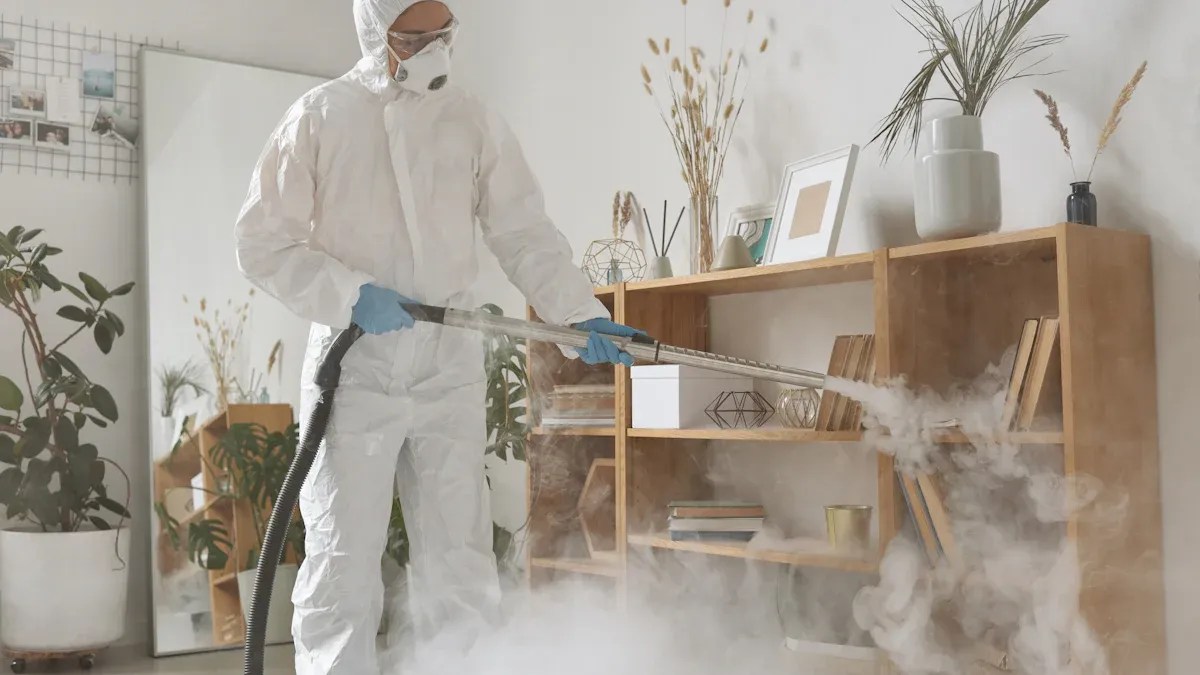
Proper doffing techniques are essential to minimize contamination risks in emergency rooms. Following a structured approach can significantly reduce the chances of self-contamination. Here’s a step-by-step guide to effective doffing:
Prepare Your Area: Ensure you have a clean space to doff your PPE. This area should be free from any potential contaminants.
Remove Gloves: Grasp the outside of one glove with the opposite hand. Peel it off, turning it inside out. Hold the removed glove in the gloved hand. Slide your fingers under the remaining glove and peel it off, enclosing the first glove inside the second.
Doff the Gown:
For a Reusable Fabric Gown: Unfasten the ties from the back, pull the gown away from your shoulders, and fold it inside out into a bundle.
For a Disposable Gown: Pull the gown from the front until the ties break. Roll the gown inside out while removing gloves with it.
Remove Face Protection: Carefully remove your face shield or goggles by handling the straps. Avoid touching the front of the face shield.
Doff the Respirator: Grasp the bottom ties of the respirator and pull it away from your face. Avoid touching the front of the respirator.
Wash Hands: Immediately wash your hands with soap and water or use hand sanitizer.
Following these steps can help you avoid the common pitfalls that lead to contamination. Improper doffing techniques can lead to a self-contamination rate of 28.28% among healthcare workers, even after formal training.
Importance of PPE Design
The design of personal protective equipment (PPE) plays a crucial role in the safety and efficiency of doffing. Effective PPE must be user-friendly to minimize contamination risks during removal. Here are some key considerations regarding PPE design:
User-Friendliness: PPE should allow for easy removal without compromising safety. Complex designs can lead to confusion and increase contamination risks.
Comfort: Healthcare providers need to focus on patient care without being hindered by uncomfortable gear. A balance between protection and comfort is vital for efficient doffing.
Enhanced Protocols: Studies show that enhanced PPE protocols can significantly reduce doffing contamination rates. For example, contamination rates dropped from 72.7% to 22.7% when improved PPE designs were implemented.
Technological innovations also support safe doffing. For instance, the HoloLens2 Mixed Reality Headset enhances communication and reduces contamination risks. Similarly, the SXR AI-PPE Platform provides real-time feedback on PPE donning and doffing, improving accuracy rates.
By prioritizing effective doffing techniques and investing in well-designed PPE, you can significantly reduce contamination risks in emergency rooms.
Fatal Factors in Doffing Contamination
Compliance Issues
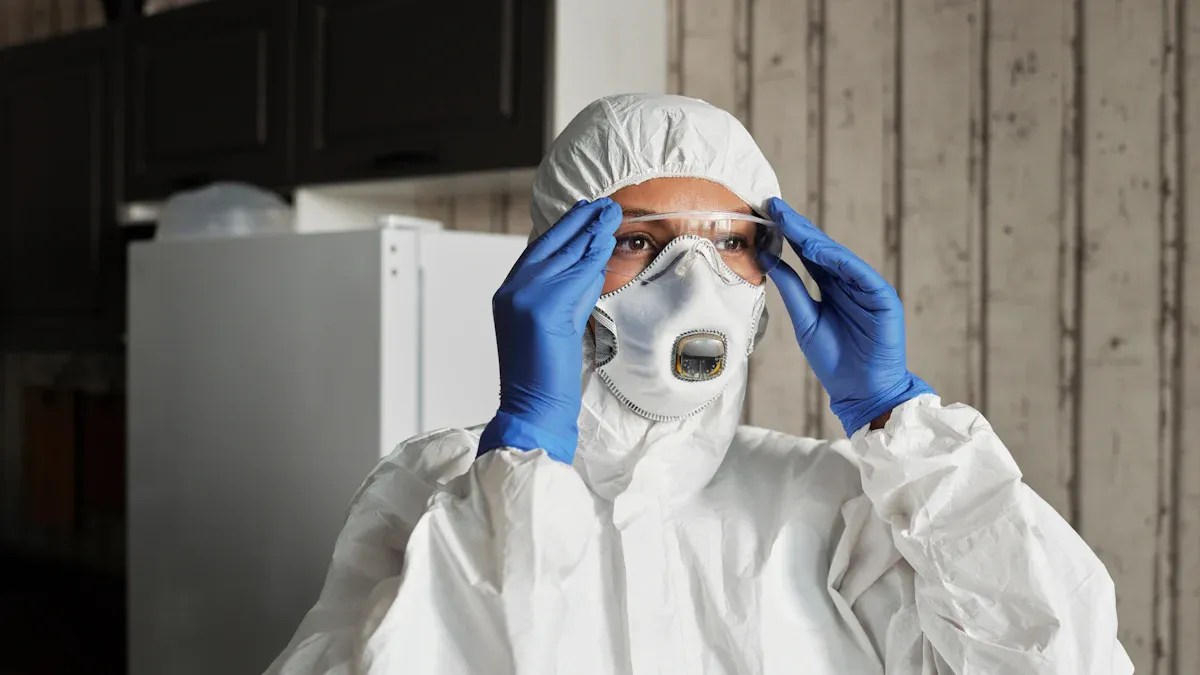
Compliance with doffing protocols is critical in minimizing contamination risks. Unfortunately, studies reveal that only 56% of healthcare workers follow correct doffing procedures. This low compliance rate leads to self-contamination rates of 40% among mixed healthcare workers. High-stress conditions in emergency departments, such as patient volume and acuity, often lead to deviations from established protocols.
Key Factors Affecting Compliance:
Workplace culture significantly impacts adherence to doffing protocols.
Support from managers is crucial for compliance with safety guidelines.
The physical environment can either facilitate or hinder proper doffing practices.
To illustrate the impact of training on compliance, consider the following table:
Metric | Before Training | After Training | Change |
|---|---|---|---|
Donning Compliance | 60% | 90% | +30% (P < 0.001) |
Doffing Compliance | 48% | 68% | +20% (P < 0.001) |
Overall Contamination Rate | 70% | 40% | -30% (P = 0.029) |
Multiple Site Contamination | 46% | 6% | -40% (P = 0.013) |
These statistics highlight the critical need for improved compliance to reduce contamination risks. Regular training and structured support, such as buddy systems or designated ‘dofficers,’ can significantly enhance adherence to doffing protocols.
Checklist Utilization
Utilizing checklists during the doffing process can drastically reduce errors. Research shows that the mean error rates for PPE doffing decreased from 9.81% to 2.88% after implementing checklists. The most significant reduction in errors, 22.57%, occurred specifically in the category of PPE doffing errors.
Benefits of Checklists:
They provide a clear, step-by-step guide for healthcare workers.
They help ensure that no steps are overlooked during the doffing process.
They can serve as a reminder for critical safety measures.
Incorporating checklists into your doffing routine can enhance safety and efficiency. By addressing compliance issues and utilizing checklists, you can significantly reduce the 46% doffing contamination rate in emergency rooms.
Training and Maintenance
Regular Training Importance
Ongoing training is vital for maintaining safety standards in emergency rooms. Regular training programs help you stay updated on the latest doffing techniques and protocols. A study showed that healthcare workers who participated in a training program established in 2016, informed by experiences from the Ebola epidemic, significantly reduced contamination risks. This program emphasizes the importance of continuous practice to enhance your skills.
Consider these points regarding the frequency of training:
Less than half of hospitals provide annual or regular refresher education for PPE training.
Staff often show reduced compliance with doffing procedures after just a few days of regular PPE use.
Compliance improves when a senior supervisor is present, highlighting the need for ongoing oversight.
Ongoing training not only boosts your confidence but also enhances your proficiency in doffing procedures. It allows you to improve your knowledge and skills, leading to better patient outcomes and lower rates of healthcare-associated infections (HAIs).
Monitoring Performance
Monitoring your doffing performance is essential for identifying areas of improvement. Video surveillance has proven effective in assessing doffing practices. This method reduces error rates and enhances safety during PPE removal. By utilizing video monitoring, you can pinpoint compliance issues and systematically improve your doffing techniques.
Real-time feedback during doffing also plays a crucial role in reducing contamination rates. It helps you focus on executing correct procedures without cognitive overload. AI-assisted training can provide automated feedback, allowing you to refine your doffing techniques and potentially lower contamination rates.
Incorporating regular training and effective monitoring methods can significantly enhance your doffing practices. By committing to ongoing education and performance assessment, you contribute to a safer environment for both patients and healthcare workers.
To minimize doffing contamination in emergency rooms, you must focus on several key strategies:
Provide adequate training and frequent monitoring of healthcare workers during doffing.
Implement real-time monitoring in the doffing zone with a designated ‘dofficer’ to ensure proper PPE disposal.
Ensure hand hygiene with alcohol-based sanitizers at every step of PPE removal.
Design the doffing zone optimally to reduce biological infective load.
Continuous education plays a vital role in improving safety practices. It fosters teamwork and enhances communication among healthcare workers. Regular training helps you reflect on your practices, leading to better care and safety for everyone involved.
Embrace these strategies to create a safer environment in your emergency room.
FAQ
What is doffing contamination?
Doffing contamination occurs when healthcare workers improperly remove personal protective equipment (PPE), leading to exposure to pathogens. This can result in infections for both staff and patients.
Why is proper doffing important?
Proper doffing minimizes the risk of contamination. It protects you and your patients from potential infections, ensuring a safer environment in emergency rooms.
How often should training occur?
You should conduct training regularly, ideally every six months. Frequent training helps reinforce proper doffing techniques and keeps you updated on best practices.
What role do checklists play in doffing?
Checklists provide a clear guide for doffing procedures. They help you remember each step, reducing errors and ensuring compliance with safety protocols.
How can I improve my doffing skills?
You can improve your doffing skills through regular practice, participation in training sessions, and seeking feedback from supervisors or peers. Continuous learning enhances your proficiency.


