


In mass casualty incidents (MCI), the layout of personal protective equipment (PPE) is crucial. An optimal setup ensures your safety and enhances efficiency during triage. When you arrange PPE effectively, you minimize risks and streamline operations. You should consider factors like accessibility and flow to create an environment that supports quick response. This setup plays a significant role in answering the question, “Where is the optimal layout for an MCI triage PPE setup when mass casualties arrive?”
Key Takeaways
An optimal PPE layout in MCI enhances safety and efficiency. Organize equipment for quick access to minimize risks.
Training is essential. Ensure all responders know how to use PPE properly to prevent injuries and contamination.
Establish clear zones: hot, warm, and cold. Each zone has specific PPE requirements and roles to ensure safety.
Implement effective decontamination protocols. Quick access to decontamination areas reduces health risks for responders and patients.
Use the START triage system for quick patient assessment. This method helps prioritize care based on injury severity.
PPE Importance in MCI

In mass casualty incidents (MCI), personal protective equipment (PPE) plays a critical role in ensuring the safety of responders. You must prioritize your safety and the safety of your team when responding to emergencies. Proper use of PPE can significantly reduce the risk of injury and contamination during triage operations.
Safety Measures
Using PPE effectively involves several safety measures. Here are some key points to consider:
Training: Ensure all responders receive training on how to use PPE properly. Many injuries occur because responders lack pre-event training on PPE and hazardous materials.
Proper Fit: Make sure that PPE fits well. Ill-fitting equipment can lead to exposure to harmful substances.
Regular Inspections: Conduct regular inspections of PPE to ensure it is in good condition. Damaged equipment can compromise safety.
Decontamination Protocols: Follow strict decontamination protocols. Immediate decontamination at the scene is essential to mitigate risks from chemical agents.
From 1996 to 1998, there were 348 reported injuries among responders across 126 incidents. This data shows that 0.7% of a total of 16,986 incidents resulted in injuries, primarily among law enforcement officers and firefighters. Most injuries included nausea and respiratory irritation. Hospital admissions occurred in 6.6% of these cases, but thankfully, no fatalities were reported. These statistics highlight the importance of PPE in protecting responders during MCIs.
Types of PPE
Different types of PPE are essential for various situations in MCI triage. Each type serves a specific purpose in protecting you from potential hazards. Here are some common types of PPE you should be familiar with:
Gloves: Protect your hands from contaminants and infectious materials.
Masks and Respirators: Shield your respiratory system from harmful airborne particles and chemicals.
Goggles: Safeguard your eyes from splashes and debris.
Gowns and Coveralls: Provide full-body protection against hazardous materials.
The effectiveness of PPE in protecting responders during MCIs is underscored by the necessity of establishing hot, warm, and cold zones to prevent contamination. You must wear PPE when entering these zones, especially during decontamination processes. These processes are critical due to the rapid onset of chemical agents that can cause harm.
Optimal Zones for MCI Triage
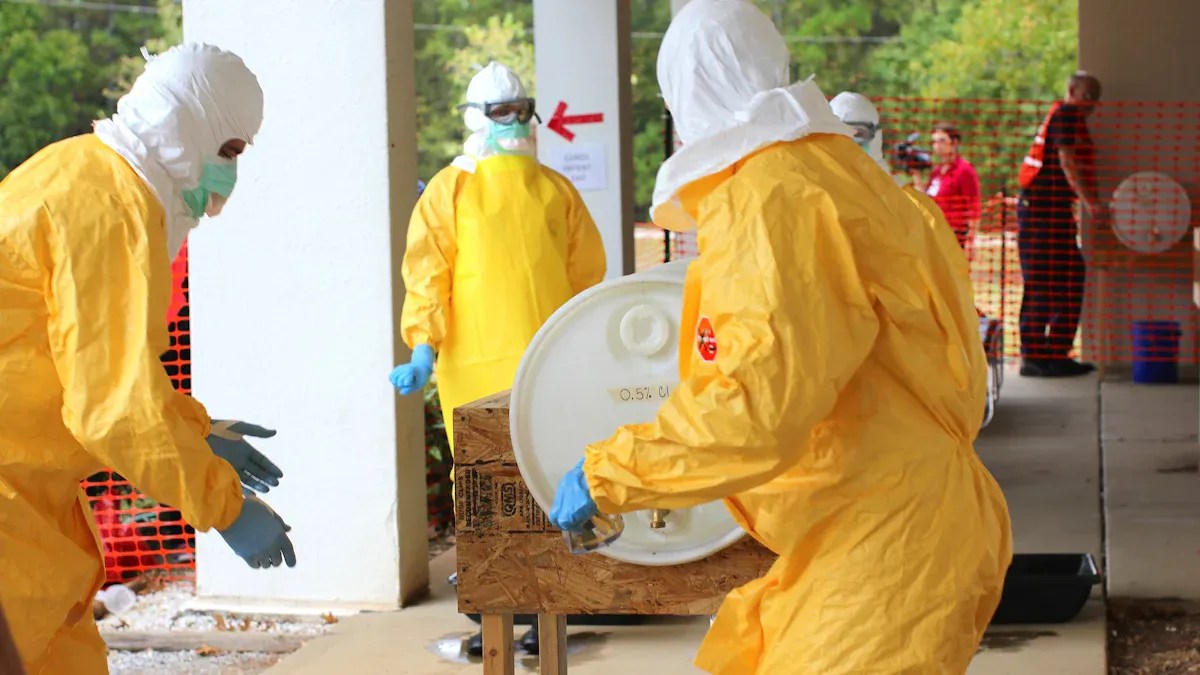
When you respond to a mass casualty incident (MCI), understanding the different zones is essential. Each zone has specific roles and PPE requirements. You must know how to navigate these areas to ensure safety and efficiency.
Hot Zone
The hot zone is the most critical area during an MCI. This zone contains actual or potential contamination. You must wear the highest level of PPE here to protect yourself from exposure. The layout of the hot zone should allow for clear access to patients while minimizing the risk of spreading contaminants.
Tip: All patients should enter through a single triage area to prevent confusion. A decontamination station should be set up nearby to ensure a one-directional flow of patients.
Warm Zone
The warm zone acts as a transition area between the hot and cold zones. Here, you will find specific decontamination protocols in place. This zone is where responders enter and exit the hot zone. It is crucial to have PPE stations arranged effectively in this area. The arrangement of these stations impacts triage speed and safety. Well-structured stations enable rapid decontamination, which is critical for protecting both responders and victims.
Zone Type | PPE Requirements | Layout Description |
|---|---|---|
Hot Zone | Highest level of PPE due to contamination | Area with actual or potential contamination and highest potential for exposure. |
Warm Zone | Specific decontamination protocols | Transition area for responders entering/exiting the hot zone and where decontamination occurs. |
Cold Zone | Minimal PPE requirements | Area free from contamination, used for planning and staging. |
Cold Zone
The cold zone is the safest area during an MCI. This zone is free from contamination, allowing you to plan and stage your operations. In the cold zone, you will need minimal PPE. This area is essential for coordinating efforts and ensuring that all responders can work effectively without the risk of exposure.
Understanding these zones helps you answer the question, “Where is the optimal layout for an MCI triage PPE setup when mass casualties arrive?” By organizing your response according to these zones, you enhance safety and efficiency during critical operations.
Key Components of the Layout
In an effective MCI triage PPE setup, several key components ensure safety and efficiency. Understanding these elements helps you create a well-organized response plan.
Decontamination Areas
Decontamination areas play a vital role in minimizing health risks during an MCI. Their primary goal is to remove contaminants from responders and patients. Here are some important points about decontamination areas:
Timely and effective decontamination reduces harm and limits secondary contamination.
Effective communication during decontamination is crucial for compliance and overall effectiveness.
Decontamination practices can be complex and resource-intensive, influenced by the number of exposed individuals and the chemical properties involved.
Setting up a decontamination area near the hot zone allows for quick access. This setup ensures that you can decontaminate individuals before they enter the warm or cold zones.
PPE Stations
PPE stations are essential for ensuring that responders can don and doff their equipment correctly. Proper procedures prevent contamination and enhance safety. Here are some key aspects of PPE stations:
Correct Donning and Doffing Procedures: You must follow critical steps to wear and remove PPE properly. This practice prevents contamination and protects you from exposure.
Training and Inspection: Regular training and inspections ensure that PPE remains effective and safe. You should check equipment frequently to maintain its integrity.
Triage Areas
Triage areas are where you assess and categorize patients based on their medical needs. The arrangement of these areas significantly affects the efficiency of PPE use and patient sorting. Consider the following:
Effective patient segmentation based on acuity is crucial during high-volume situations.
Designated areas for different patient types help manage PPE use effectively. For example, you can create separate streams for COVID and non-COVID patients.
Different patient categories include:
Fast Track for least sick patients.
Mid Track for moderately sick patients.
Major Care for severely ill patients.
Critical Care for very ill patients.
Admission Holding Area for stable patients waiting for a bed.
By understanding these key components, you can better answer the question, “Where is the optimal layout for an MCI triage PPE setup when mass casualties arrive?” A well-structured layout enhances safety and improves response times.
Spatial Arrangement for Efficiency
Accessibility
Accessibility is vital in your MCI triage setup. You must ensure that all zones are easy to reach. This arrangement allows responders to move quickly between areas. Here are some tips to enhance accessibility:
Clear Pathways: Maintain clear pathways between the hot, warm, and cold zones. Remove any obstacles that could slow down movement.
Signage: Use clear signs to guide responders. This helps everyone know where to go and what to do.
Equipment Placement: Position equipment and supplies within arm’s reach. This minimizes the time spent searching for necessary items.
Tip: Regularly review your layout. Make adjustments based on feedback from responders to improve accessibility.
Flow of Operations
The flow of operations is crucial for maintaining efficiency during an MCI. You want to create a logical sequence that responders can follow. Here’s how to optimize the flow:
One-Way Traffic: Establish a one-way flow for patients and responders. This reduces confusion and prevents cross-contamination.
Designated Areas: Clearly define areas for triage, treatment, and decontamination. This separation helps responders focus on their tasks without distractions.
Communication: Ensure that communication lines remain open. Use radios or other devices to keep everyone informed about patient status and needs.
Element | Importance |
|---|---|
Clear Pathways | Facilitates quick movement between zones |
One-Way Traffic | Reduces confusion and contamination risks |
Designated Areas | Helps responders focus on specific tasks |
By prioritizing accessibility and flow, you enhance the overall efficiency of your MCI triage setup. A well-organized layout allows you to respond effectively to emergencies, ensuring safety for both responders and patients.
Workflow Optimization in Triage
START Triage System
The START (Simple Triage and Rapid Treatment) system is a vital tool for managing mass casualty incidents. This method allows you to quickly assess patients and prioritize their treatment based on the severity of their injuries. Here’s how it works:
Assess Breathing: Check if the patient is breathing. If not, open the airway. If they still do not breathe, tag them as “deceased.”
Assess Circulation: Check for a pulse. If the patient has no pulse, tag them as “deceased.” If they have a pulse, move to the next step.
Assess Mental Status: Ask the patient to follow simple commands. If they cannot respond, tag them as “immediate.” If they can respond, tag them as “delayed.”
Tagging: Use color-coded tags to indicate the patient’s status:
Red: Immediate care needed
Yellow: Delayed care
Green: Minor injuries
Black: Deceased
Tip: Practice the START system regularly. Familiarity with this method enhances your speed and accuracy during real incidents.
Quick Assessment Techniques
Quick assessment techniques are essential for effective triage. You need to gather information rapidly to make informed decisions. Here are some techniques to consider:
Visual Assessment: Quickly scan the scene for patients. Look for those who need immediate attention based on their appearance and behavior.
Focused Questions: Ask patients simple questions to gauge their condition. Questions like “What hurts?” or “Can you move?” provide valuable insights.
Use of Checklists: Implement checklists to ensure you don’t overlook critical assessments. A checklist can help you remember key steps in the triage process.
Technique | Purpose |
|---|---|
Visual Assessment | Identify patients needing immediate care |
Focused Questions | Gather quick information on patient status |
Use of Checklists | Ensure thorough assessments |
By mastering the START triage system and employing quick assessment techniques, you can optimize workflow during an MCI. These strategies enhance your ability to respond effectively and ensure that every patient receives the care they need.
Real-Life Examples of Effective Setups
Lessons from Past Incidents
Learning from past incidents is crucial for improving your MCI triage PPE setup. Several studies highlight the importance of effective layouts and responder safety. Here are some key insights:
Source | Description |
|---|---|
The Past, Present, and Future of Responder Safety at Roadway Incidents | This workshop summary reflects on past lessons learned in roadway incident response safety and traffic incident management. |
Traffic Hazards to Fire Fighters While Working Along Roadways | This resource discusses hazards for firefighters, includes case studies, and offers prevention recommendations. |
Traffic Incident Management Area Reference Diagram and Emergency Responder Checklist | This document provides a diagram of Traffic Incident Management Area layout and essential responder actions. |
The Dangerous Five: Steering Clear of Roadside Recovery Mistakes | This source highlights key factors in struck-by incidents and strategies to mitigate risks. |
These resources emphasize the need for clear communication and proper layout to enhance responder safety. You can apply these lessons to your own MCI triage setups.
Best Practices
Implementing best practices can significantly improve your MCI triage PPE layout. Here are some effective strategies:
Establish Clear Zones: Clearly define hot, warm, and cold zones. This organization helps responders navigate safely.
Regular Training: Conduct frequent training sessions. Familiarity with procedures enhances efficiency during real incidents.
Use Visual Aids: Incorporate diagrams and signage. Visual aids guide responders and reduce confusion.
Feedback Mechanism: Create a system for responders to provide feedback on the layout. Continuous improvement is key to success.
By following these best practices, you can create an optimal layout for your MCI triage PPE setup. This approach ensures that you are prepared when the question arises: “Where is the optimal layout for an MCI triage PPE setup when mass casualties arrive?”
In summary, an optimal MCI triage PPE setup includes several critical elements that enhance safety and efficiency. You should focus on:
Level A PPE: Use fully encapsulated suits in unknown hazardous environments.
Level B PPE: Employ hooded suits with self-contained breathing apparatus for decontamination in hot zones.
Monitoring Staff in PPE: Track time spent in PPE to ensure safety and timely replacements.
Additionally, remember that different types of PPE are necessary based on the scenario. Use color codes for triage categories to prioritize patient care effectively. A well-organized layout is essential for a successful emergency response.
FAQ
What is the purpose of PPE in MCI triage?
PPE protects you from exposure to hazardous materials during mass casualty incidents. It minimizes the risk of contamination and injury, ensuring your safety while you provide care.
How do I know which PPE to use?
Choose PPE based on the zone you are in. In the hot zone, wear the highest level of PPE. In the warm zone, use specific decontamination gear. The cold zone requires minimal PPE.
What should I do if my PPE gets damaged?
If your PPE gets damaged, exit the hot zone immediately. Replace the damaged equipment before continuing your duties. Always prioritize your safety and the safety of others.
How often should I train on PPE usage?
You should train on PPE usage regularly. Frequent training helps you stay familiar with procedures and ensures you can respond effectively during real incidents.
What are the key components of an effective triage layout?
An effective triage layout includes clear zones (hot, warm, cold), decontamination areas, PPE stations, and designated triage areas. These components enhance safety and improve response times.


