

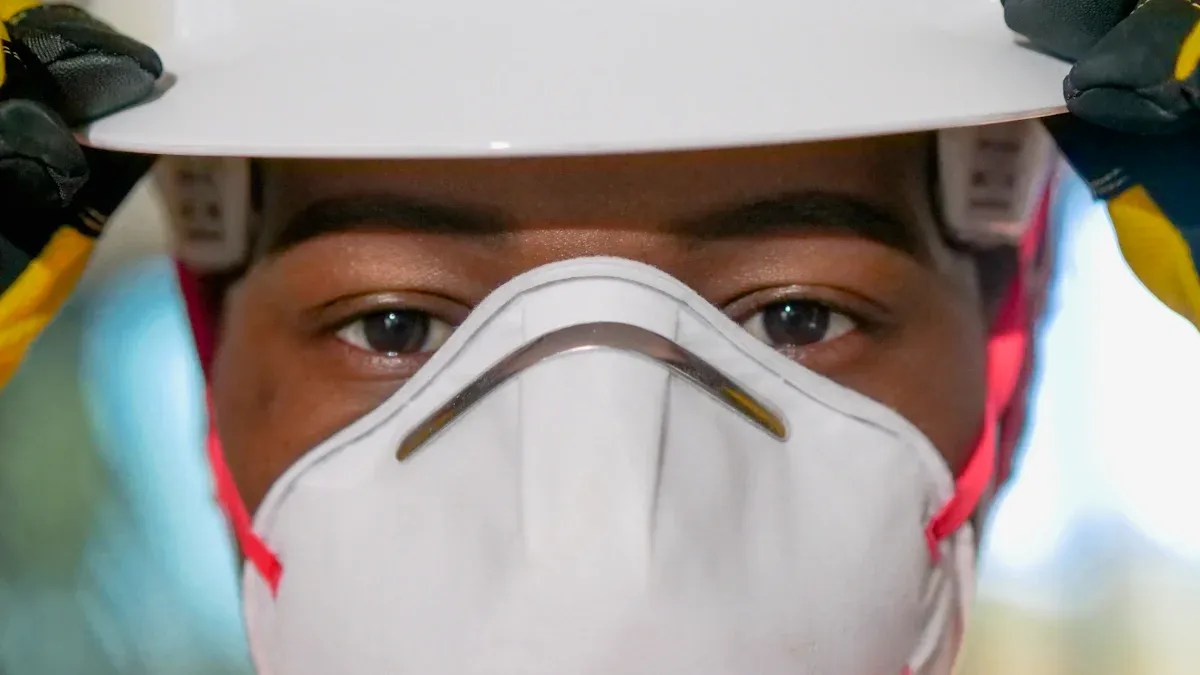
Personal protective equipment (PPE) plays a critical role in high-risk trauma situations. You must stage your gear effectively to ensure safety and readiness. Improper staging can lead to delays, increased exposure to hazards, or even severe injuries. Being well-prepared enhances your response time and protects you from potential dangers. Remember, knowing where you should stage your gear according to high-risk trauma PPE storage guidelines is essential for maintaining a safe environment.
Key Takeaways
Understand the types of PPE and their importance for safety in trauma situations.
Thoroughly assess your environment for hazards before staging your PPE.
Organize your gear for quick access, using clear labels and designated compartments.
Regularly inspect your PPE for damage and ensure proper training for effective use.
Implement these practices to enhance your readiness and protect yourself and your patients.
PPE Components
Types of PPE
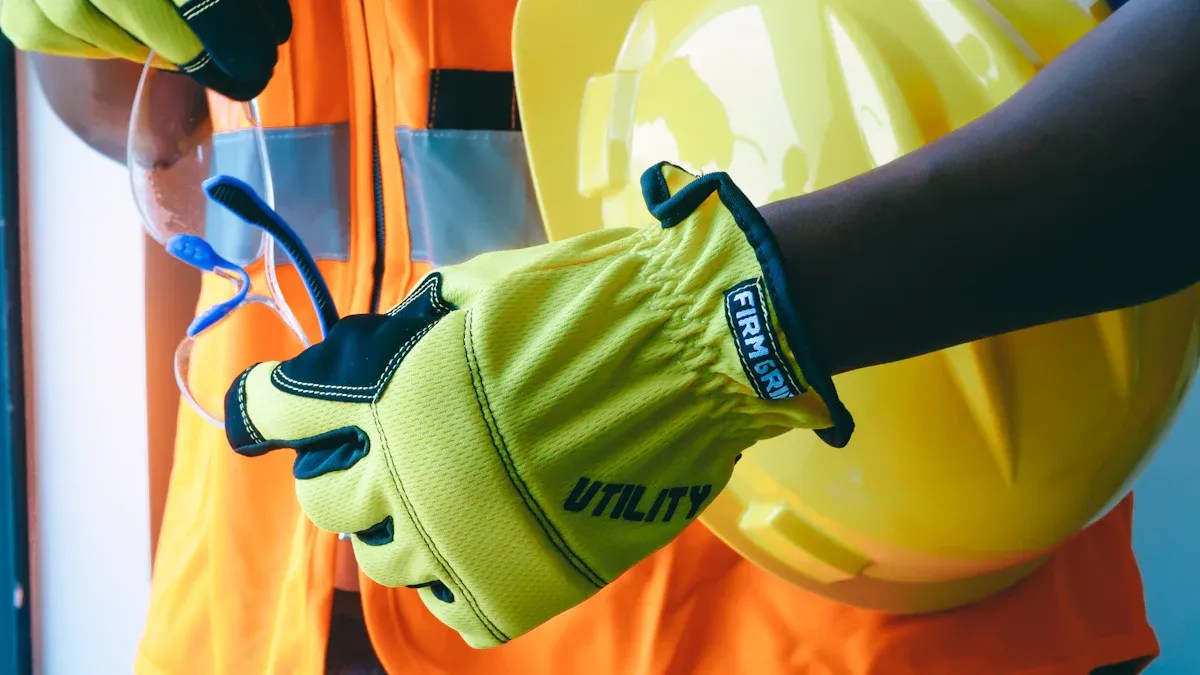
In high-risk trauma situations, you must use various types of personal protective equipment (PPE) to ensure your safety. Here are the essential types of PPE recommended by international safety guidelines:
Eye and Face Protection: Safety glasses, goggles, and face shields protect your eyes and face from exposure to harmful substances.
Head Protection: Hard hats and bump caps shield your head from falling objects and impacts.
Hearing Protection: Earplugs and earmuffs help prevent hearing loss in noisy environments.
Hand Protection: Work gloves protect your hands from cuts, abrasions, and contamination.
Body Protection: High-visibility clothing, disposable suits, and reusable gowns keep you safe from hazardous materials and ensure you are visible in emergency situations.
Foot Protection: Safety shoes and boots provide support and protect your feet from injuries.
Respiratory Protection: Dust masks, surgical masks, and respirators guard against airborne pathogens and harmful particles.
Importance of Each Component
Each component of PPE plays a vital role in ensuring your safety during trauma care. For example, masks and respirators serve as your first line of defense against airborne pathogens. Surgical masks block large droplets, while N95 respirators filter out at least 95% of airborne organisms. This protection is crucial in high-risk environments.
Face shields and goggles protect your eyes from exposure to pathogens. Face shields cover your entire face, while goggles provide additional eye protection. Protective clothing, such as gowns and coveralls, prevents contact with bodily fluids and hazardous materials. These garments are made from materials resistant to liquids and aerosols.
Gloves are essential for preventing the transmission of pathogens through direct contact. They are particularly important when handling contaminated materials. According to CDC guidelines, using gloves, gowns, and face shields or masks during high-risk procedures, like intubation, is necessary. This practice reduces contamination and enhances safety.
The absence of any specific PPE component can significantly impact your safety. Without adequate PPE, you expose yourself to infectious diseases, compromising your health. You may also face moral distress when providing care without sufficient protection, leading to ethical dilemmas about your safety versus patient welfare.
Preparing for Staging
Assessing the Environment
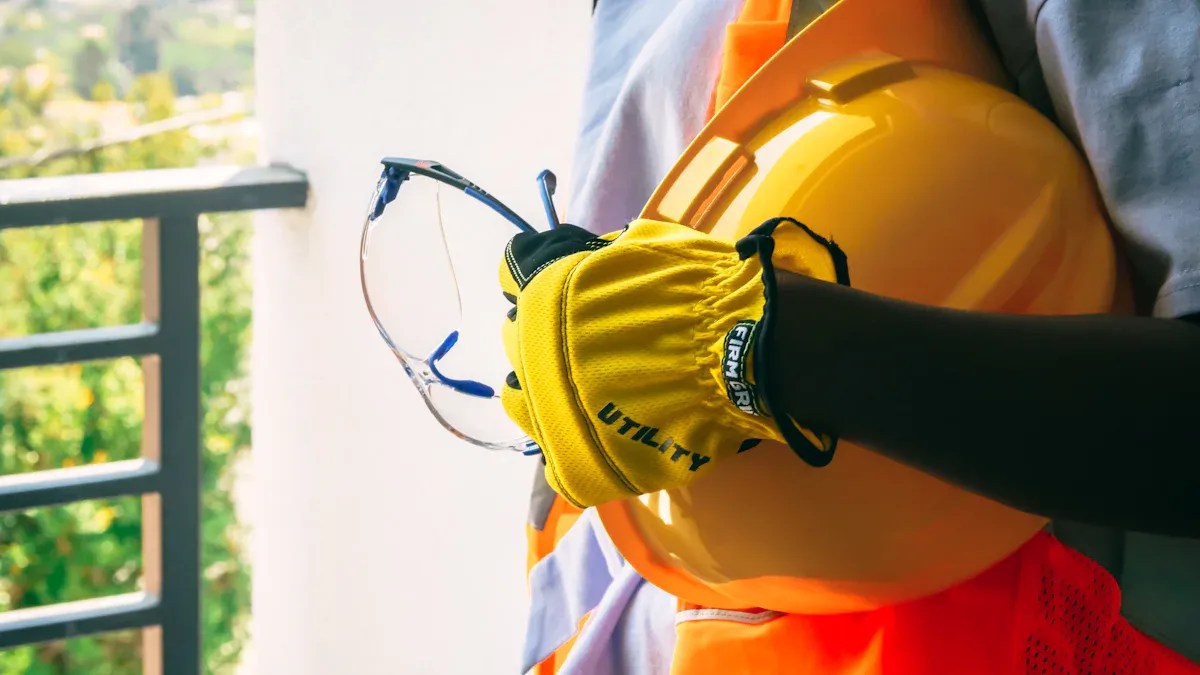
Before staging your PPE, you must assess the trauma environment. This step is crucial for identifying potential hazards. Follow these steps to ensure a thorough evaluation:
Identify Hazards: Look for risks such as sharp objects, chemicals, or electrical hazards.
Evaluate Current PPE Programs: Ensure your PPE meets updated safety requirements.
Implement Controls: Use engineering and work practice controls to reduce hazards before relying solely on PPE.
Conduct Regular Risk Assessments: Regularly check for risks that may not be immediately visible, like psychological stressors.
Regular assessments help you uncover hidden dangers. This proactive approach minimizes risks and enhances safety.
Gathering Equipment
Once you assess the environment, gather the necessary equipment for effective staging. Here’s a checklist of essential items you should have ready:
PPE: Gloves, masks, gowns, and face shields.
Medical Supplies: BLS bags, oxygen cylinders, non-rebreathers, and adult BVMs.
Monitoring Tools: Stethoscopes, BP cuffs, glucose meters, and pulse oximeters.
Trauma Supplies: Splints, stretchers, C-collars, and backboards with straps.
Infection Control Materials: Hand sanitizers and disinfectants.
Make sure to check the expiry dates on your stock and confirm the details of your vehicle and its location. This preparation ensures you have everything you need when responding to a trauma situation.
Having a well-organized inventory saves time and reduces stress during emergencies. Always double-check your supplies before heading out.
By following these steps, you can effectively prepare for staging your PPE, ensuring you are ready to respond safely and efficiently in high-risk trauma situations.
Where Should You Stage Your Gear According to High-Risk Trauma PPE Storage Guidelines?
Organizing PPE Gear
Effective organization of your PPE gear is crucial for rapid access during trauma emergencies. Here are some best practices to follow:
Clear Labeling: Use labels or see-through compartments to help you quickly identify gear.
Velcro Panels: Incorporate Velcro panels for quick customization, allowing you to adapt to different situations.
Fold-Out Flaps: Design your storage with fold-out flaps for full interior access, making it easy to retrieve necessary items.
Top Flap: Store essential items like gloves, CPR masks, and trauma shears for immediate access.
Main Compartment: Keep airway supplies, IV kits, and splints organized in the main compartment.
Side Pockets: Designate side pockets for hemorrhage control tools.
Front Panel: Allocate space for PPE and burn dressings on the front panel.
Internal Loops/Pouches: Use these for medications and diagnostic tools.
Monthly Inventory Checks: Conduct regular checks to ensure all items are up-to-date and stocked.
Storing PPE in clean, dry environments preserves its structural integrity. Exposure to moisture, chemicals, or extreme temperatures can compromise the materials. Quick access and proper organization of PPE gear are vital for effective use in emergency situations.
Proper Donning Procedures
Following proper donning procedures minimizes the risk of contamination or injury during trauma care. Here are the recommended steps:
Minimum PPE Requirements: Always wear eye protection, a fit-tested respirator (N95 or FFP3), a fluid-resistant gown, and gloves.
Aerosol-Generating Procedures: For these situations, use FFP2-type protective filtering masks.
Chest Compressions: During chest compressions, level 3 PPE is advised. This includes an FFP, disposable fluid-resistant gown, disposable apron, gloves, fluid-resistant surgical mask, and eye or full-face protection.
COVID-19 Precautions: When caring for trauma patients with suspected or unknown COVID-19 status, use at least N95 respirators or equivalents.
Understanding the zones during donning can also help reduce contamination risks:
Description | |
|---|---|
Exclusion Zone (Hot) | Area with actual or potential contamination and highest exposure risk. |
Contamination Reduction Zone (Warm) | Transition area for entering/exiting the exclusion zone and where decontamination occurs. |
Support Zone (Cold) | Area free from contamination, used for planning and staging. |
PPE Removal Guidelines | Remove PPE before entering non-clinical areas and always wash hands before and after use. |
By following these guidelines, you can ensure that your PPE is staged effectively and that you minimize exposure during high-risk trauma situations.
Common Mistakes to Avoid
Equipment Inspection
Inspecting your PPE before use is crucial for ensuring safety during trauma care. Many healthcare workers overlook this step, which can lead to serious consequences. Here are some common mistakes related to equipment inspection:
Neglecting Pre-Use Checks: Always inspect your PPE before each shift. Look for visible damage, wear, or expiration dates.
Skipping Periodic Inspections: Schedule regular checks for wear and tear. This practice helps identify issues before they become critical.
Ignoring Documentation: Keep detailed records of inspections. Document the date, PPE type, findings, and actions taken.
Role | Description |
|---|---|
Safety Officers | Oversee PPE inspections and ensure regular checks. |
Supervisors | Monitor daily PPE usage and check for visible wear. |
Competent Persons | Perform detailed inspections and identify issues. |
Failing to inspect PPE can slow reaction times and negatively affect decision-making. Fatigue from wearing PPE can increase medical errors by 22% among fatigued responders. Communication barriers caused by PPE hinder effective teamwork and procedural efficiency.
Training Importance
Proper training in PPE usage is essential for all trauma responders. Many healthcare workers lack adequate training, which can lead to mistakes. Here are some key points regarding training:
Regular Training Sessions: Conduct training programs to improve compliance with PPE protocols. A 90-minute education program can raise compliance rates significantly.
Hands-On Demonstrations: Use presentations and video demonstrations to teach safe handling practices. This approach enhances understanding and retention.
Continuous Education: Regular training correlates with reduced injury rates. Workers without formal safety training are 2.5 times more likely to experience injuries.
Investing in training not only improves knowledge but also boosts confidence in using PPE effectively. This proactive approach enhances safety and ensures better patient care.
Remember, effective PPE usage starts with proper training and thorough inspections. These practices protect you and your patients in high-risk trauma situations.
Effective staging of your PPE is crucial for safety in high-risk trauma situations. Remember these key points:
Know Your PPE: Understand the types and importance of each component.
Prepare Thoroughly: Assess your environment and gather necessary equipment.
Organize Smartly: Store your gear for quick access and follow proper donning procedures.
Avoid Mistakes: Inspect your equipment and prioritize training.
Implement these practices to enhance your readiness and protect yourself and your patients. Your preparation can make all the difference in an emergency! 🚑
FAQ
What is PPE?
PPE stands for personal protective equipment. It includes gear designed to protect you from hazards in high-risk environments, such as trauma situations. Proper use of PPE helps ensure your safety and reduces exposure to harmful substances.
Why is staging PPE important?
Staging PPE ensures quick access during emergencies. Proper organization minimizes delays and enhances your response time. Effective staging also reduces the risk of contamination and injury, allowing you to focus on patient care.
How often should I inspect my PPE?
Inspect your PPE before each use. Regular checks help identify damage or wear. Schedule periodic inspections to maintain safety standards and ensure your equipment remains effective and reliable.
What should I do if my PPE is damaged?
If you find damaged PPE, replace it immediately. Using compromised equipment can expose you to hazards. Always have a backup supply ready to ensure you remain protected during trauma situations.
Can I reuse PPE?
Reusing PPE depends on the type and guidelines provided by your organization. Disposable items should not be reused. Follow your facility’s protocols to ensure safety and compliance with health regulations.


