

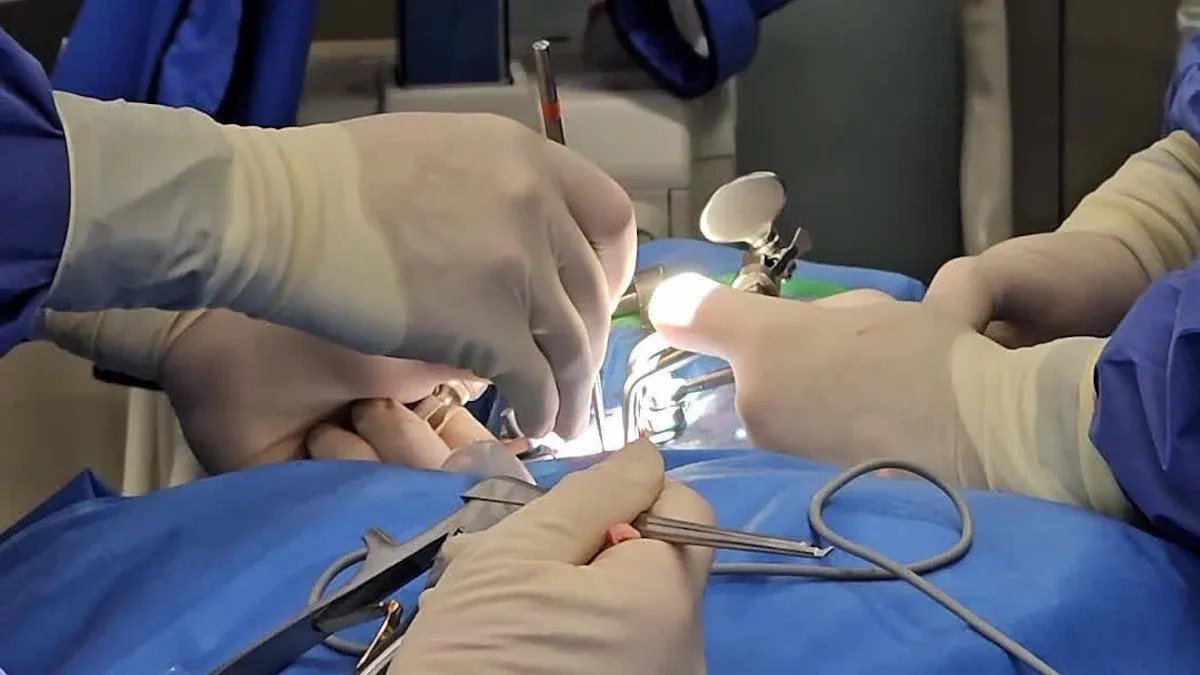
Full-coverage PPE plays a vital role in trauma surgery. It protects you from exposure to infectious materials. This protection enhances your safety and that of your team. When you wear proper PPE, you help maintain a sterile environment during surgeries. This commitment leads to better patient outcomes. You might wonder, who benefits most from a full-coverage trauma surgeon PPE configuration during resuscitation? The answer is everyone involved in trauma care, from surgeons to patients.
Key Takeaways
Full-coverage PPE protects trauma surgeons from infectious materials, enhancing safety for both the surgical team and patients.
Using proper PPE reduces the risk of infections, leading to better patient recovery rates and shorter hospital stays.
Adhering to safety protocols for PPE boosts team morale and fosters a collaborative environment in trauma care.
Compliance with PPE regulations is crucial for hospitals, ensuring safety and building trust with patients.
Investing in quality PPE and training improves overall outcomes in trauma surgery, benefiting everyone involved.
Surgeon Protection

Exposure Reduction
Full-coverage PPE significantly reduces your exposure to infectious materials. When you wear proper PPE, you create a physical barrier against bloodborne pathogens like HIV, Hepatitis B, and Hepatitis C. This protection is crucial, especially in trauma surgery, where you often encounter blood and bodily fluids.
Key Benefits of Full-Coverage PPE:
It protects you from hazardous fluids and pathogens.
It enhances surgical efficiency and patient safety.
Proper selection and usage of PPE are vital for effective hazard mitigation.
Studies show that many trauma surgeons feel unprotected by their current PPE. In fact, 55% reported concerns about their safety during procedures. This highlights the importance of investing in quality surgical PPE to ensure your safety and that of your team.
Infection Prevention
Maintaining a sterile environment during surgeries is essential for preventing infections. Full-coverage PPE plays a critical role in this process. It helps prevent cross-infection, especially in high-risk environments where exposure to infectious substances is likely.
Important Considerations:
Use PPE based on a risk assessment of the tasks involved.
Proper donning and removal of PPE is crucial to maintain sterility.
Inadequate PPE can lead to increased infection rates, affecting patient recovery.
By prioritizing the use of full-coverage PPE, you not only protect yourself but also contribute to better patient outcomes. The commitment to safety and sterility fosters a more effective surgical environment, ultimately benefiting everyone involved in trauma care.
Who benefits most from a full-coverage trauma surgeon PPE configuration during resuscitation? The answer is clear: it is you, your team, and your patients.
Team Safety and Morale

Enhanced Protocols
Full-coverage PPE enhances safety protocols for surgical teams. When you wear proper PPE, you follow guidelines that leading health organizations recommend. These protocols include:
Using PPE according to infection prevention and control guidelines.
Ensuring proper donning and doffing of PPE, especially in emergencies.
Tailoring PPE usage to the risk level of specific procedures.
By adhering to these protocols, you create a safer environment for yourself and your colleagues. Surgical teams have adapted to new PPE protocols by implementing recommendations based on their available resources. In high-resource settings, you might use surgical masks, N95 masks, and powered air-purifying respirators during high-risk procedures. In contrast, low-resource settings may require adaptations, such as using cloth masks or bandanas, despite their lower protective qualities.
Boosted Morale
Prioritizing safety through full-coverage PPE significantly boosts team morale. When you feel safe, your confidence increases, allowing you to focus on patient care. A secure environment fosters teamwork and collaboration.
Training programs at Trauma Services emphasize effective PPE usage. These programs cover:
Proper fitting and inspection for damage.
Safe removal and cleaning of PPE.
When you participate in these training sessions, you gain the knowledge needed to protect yourself and your team. This commitment to safety not only enhances your well-being but also strengthens the overall morale of the surgical team.
Ultimately, when you ask, “Who benefits most from a full-coverage trauma surgeon PPE configuration during resuscitation?” the answer is clear: everyone involved in trauma care, including you and your team.
Patient Outcomes
Recovery Improvement
Full-coverage PPE plays a crucial role in improving patient recovery rates. When you wear this protective gear, you help create a sterile environment that reduces the risk of post-surgical infections. This commitment to safety directly impacts how quickly and effectively your patients heal.
Key Factors in Recovery:
A sterile environment minimizes the chances of complications.
Enhanced safety protocols lead to fewer infections.
Patients experience shorter hospital stays and faster recoveries.
By prioritizing full-coverage PPE, you contribute to a more successful recovery process for your patients. Studies show that hospitals with strict PPE protocols report higher patient satisfaction and better overall outcomes.
Infection Risk Minimization
Minimizing infection risks during trauma resuscitation is vital for patient safety. Full-coverage PPE significantly reduces exposure to contaminated materials. Here are some important points to consider:
Complete body coverage lowers the risk of exposure to bloodborne pathogens.
Head coverings prevent contamination of hair and head areas, which is significant due to hand-to-head contact.
Implementing a PPE monitor ensures correct usage and reduces the number of providers in the resuscitation area, aligning with CDC recommendations.
Specific PPE requirements protect healthcare workers during aerosol-generating procedures, common in trauma resuscitation.
The zone of detectable aerosolized virus can extend up to 4 meters and may linger in the air for up to 3 hours, emphasizing the need for ongoing PPE use.
By understanding these factors, you can see how full-coverage PPE not only protects you but also enhances patient safety. When you ask, “Who benefits most from a full-coverage trauma surgeon PPE configuration during resuscitation?” the answer is clear: it is your patients who gain the most from your commitment to safety and infection control.
Compliance and Reputation
Regulatory Compliance
Full-coverage PPE helps hospitals meet health regulations effectively. You must understand that compliance with these regulations is crucial for your safety and that of your patients. Here are some key points regarding PPE compliance:
Hospitals must implement a PPE program that includes training on proper use and disposal of PPE.
Employers are responsible for providing adequate PPE and ensuring its accessibility to all employees.
Regular training courses are essential for compliance with OSHA regulations, covering the correct use of PPE and the risks of non-compliance.
Failure to wear PPE properly can lead to severe consequences. You risk exposure to harmful pathogens, and hospitals may face fines from OSHA. This highlights the critical need for hospitals to ensure compliance with PPE regulations.
Interestingly, over 80% of healthcare workers know about general PPE use. However, only 50% feel informed about PPE for aerosol-generating procedures in trauma surgery. This gap shows that specific guidelines for trauma surgery remain insufficient.
Institutional Reputation
Your hospital’s reputation hinges on its commitment to safety and compliance. When you prioritize full-coverage PPE, you enhance patient trust and confidence in your institution. Patients want to know that you take their safety seriously. A strong reputation can lead to:
Increased patient satisfaction.
Higher rates of patient retention.
Positive word-of-mouth referrals.
When hospitals demonstrate a commitment to safety through proper PPE usage, they build a solid reputation in the community. This reputation not only attracts patients but also helps retain skilled healthcare professionals.
Full-coverage PPE is essential for trauma surgeons and their teams. You protect yourself and your colleagues from exposure to harmful pathogens. This commitment also enhances patient care.
Consider these points:
Adverse events among healthcare workers occur in 78% of cases due to PPE use.
Common skin reactions include dermatitis and acne.
Prolonged use of PPE can lead to communication challenges and training needs.
By prioritizing full-coverage PPE, you contribute to a safer healthcare environment. This dedication ultimately leads to better patient outcomes and a more effective trauma care system.
FAQ
What is full-coverage PPE?
Full-coverage PPE includes protective gear that covers your entire body. It protects you from exposure to infectious materials during trauma surgeries. This gear typically includes gowns, gloves, masks, and face shields.
Why is PPE important for trauma surgeons?
PPE is crucial for trauma surgeons because it reduces exposure to bloodborne pathogens. It helps maintain a sterile environment, preventing infections and ensuring your safety and that of your team.
How should I properly wear PPE?
To wear PPE correctly, follow these steps:
Wash your hands.
Put on the gown and secure it.
Wear gloves, masks, and face shields.
Ensure a snug fit to prevent exposure.
How often should PPE be replaced?
You should replace PPE after each use or when it becomes damaged or contaminated. Regularly check for signs of wear and tear to ensure maximum protection during surgeries.
Can I reuse PPE?
Generally, you should not reuse disposable PPE. Reusing it can increase the risk of contamination and infection. Always follow your institution’s guidelines for PPE usage and disposal.


