

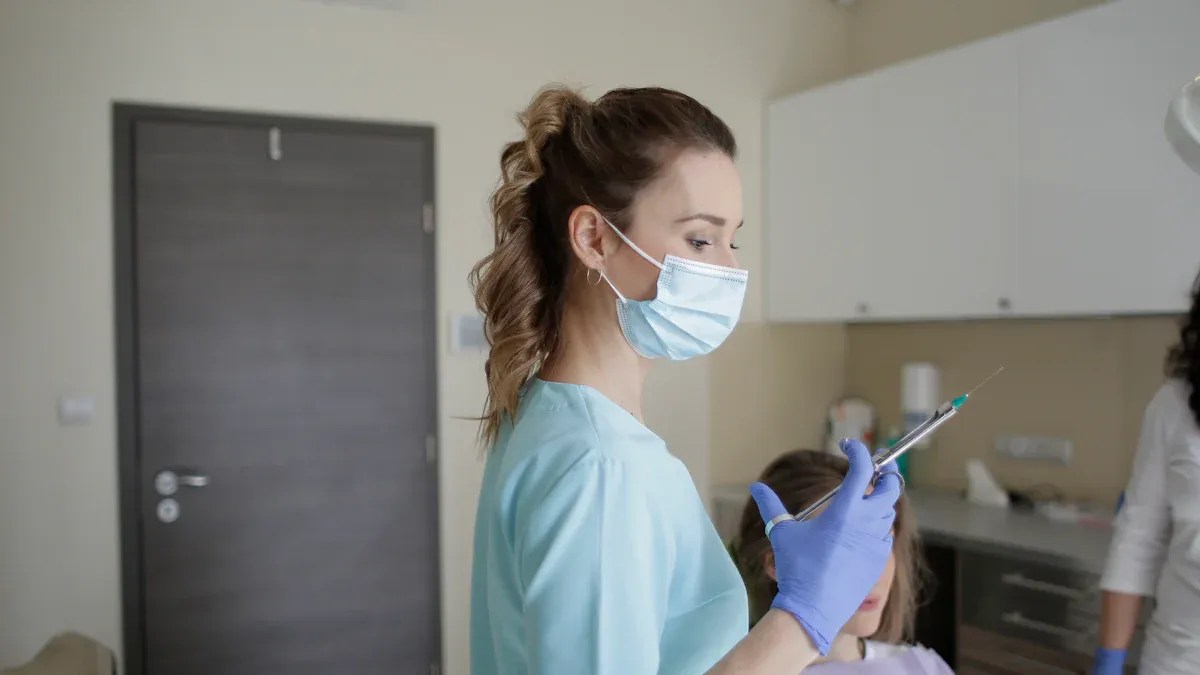
Preventing occult blood exposure in healthcare settings is crucial for both patient and staff safety. This leads us to the question: why is preventing occult blood exposure the primary reason for adopting Level 4 standards? Statistics show that occult hepatitis B infections can pose serious risks. For instance, about 5% of HBsAg-negative individuals may carry this infection, with the prevalence rising to 7% among those who test positive for HBcAb. Such findings emphasize the need for awareness and proactive measures. By understanding the risks and implementing effective strategies, you can significantly minimize potential dangers in your workplace.
Key Takeaways
Use Personal Protective Equipment (PPE) consistently to protect against blood exposure. Proper use of gloves, gowns, and masks is essential.
Follow strict safety protocols for handling and disposing of specimens containing occult blood. This minimizes the risk of exposure and infection.
Participate in regular training programs to stay informed about the latest safety practices. Continuous education enhances your skills and reduces risks.
Adhere to established guidelines for compliance. Following safety protocols protects both healthcare workers and patients from potential infections.
Maintain an adequate inventory of PPE and replace damaged items promptly. This ensures you are always prepared to handle potential blood exposure situations.
Role of PPE
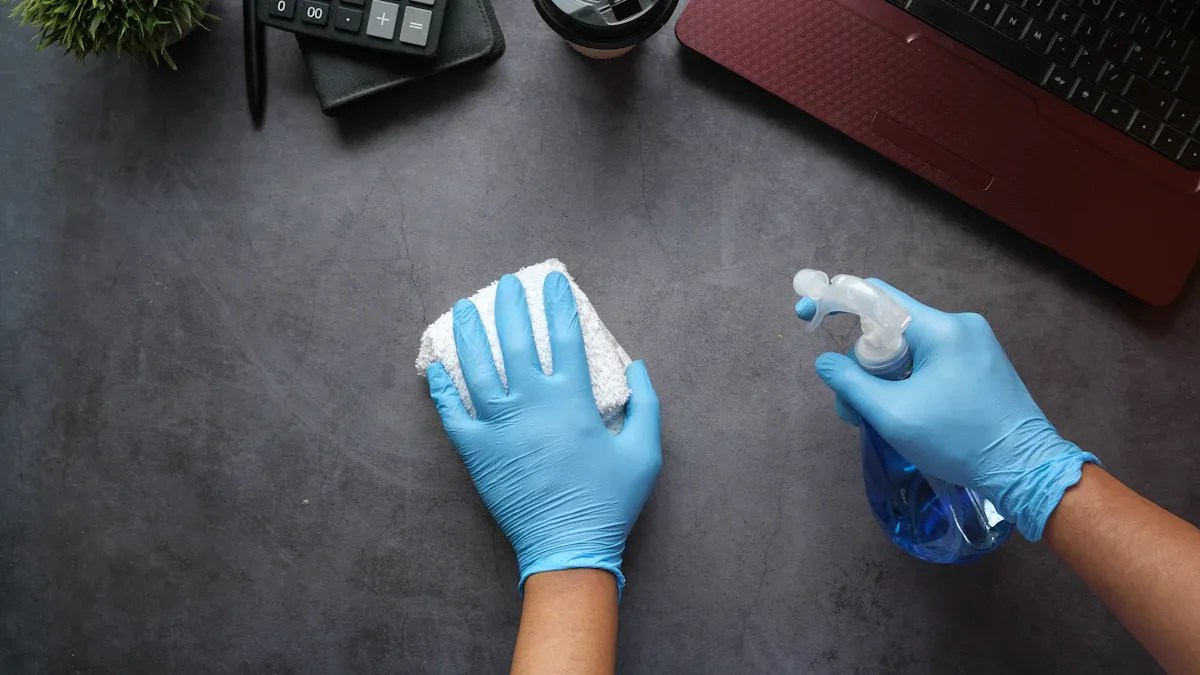
Personal protective equipment (PPE) plays a vital role in safeguarding healthcare workers from blood exposure. Understanding the types of PPE available and how to use them properly can significantly reduce the risk of contamination.
Types of PPE
Different types of PPE serve specific purposes in preventing blood exposure. Here’s a table summarizing the most effective types of PPE used in healthcare settings:
Type of PPE | Purpose |
|---|---|
Gowns | Protects clothing from soiling during activities that may generate splashes or sprays of blood. |
Gloves | Used when touching or coming into contact with blood, body fluids, secretions, or excretions. |
Masks and Face Shields | Protects the eyes, nose, mouth, and mucous membranes from exposure to sprays or splashes of blood and may also protect from airborne pathogens. |
Proper Use
Using PPE correctly is essential for maintaining safety. Here are some key guidelines to follow:
Regular Inspection: Always inspect your PPE before each use. Look for any damage or defects that could compromise its effectiveness.
Cleaning and Disinfection: Follow the manufacturer’s guidelines for cleaning reusable PPE. Dispose of disposable PPE properly to prevent contamination.
Storage: Store PPE in clean, dry areas away from contaminants. Ensure that it is organized and easily accessible.
Replacement: Replace PPE when it becomes damaged, contaminated, or expired. Maintain an adequate inventory to ensure you have enough PPE available.
Additionally, health authorities recommend the following practices to enhance safety:
Use standard precautions for all patient encounters.
Treat any sharp items contaminated with patient blood and saliva as potentially infective.
Establish engineering and work practice controls to prevent injuries.
Implement a comprehensive program designed to minimize and manage exposures to blood and body fluids.
By adhering to these guidelines, you can significantly reduce the risk of blood exposure in your healthcare environment. Remember, consistent and proper use of PPE is your first line of defense against potential hazards.
Safe Handling and Disposal
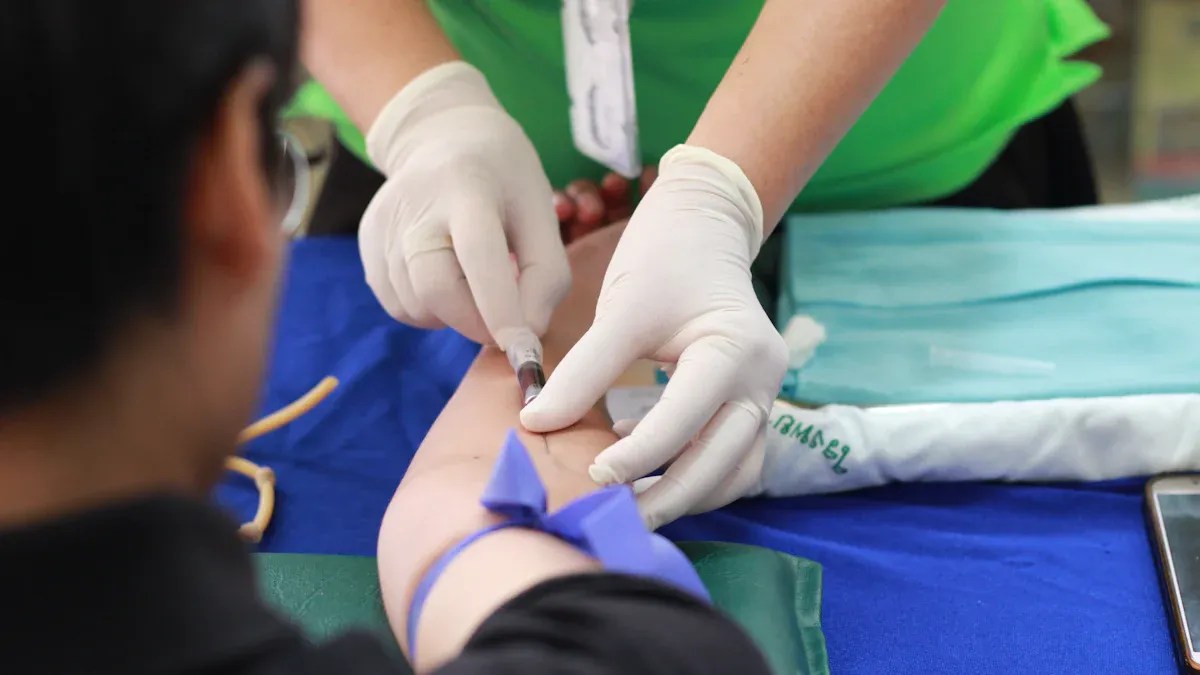
Handling and disposing of specimens containing occult blood requires strict adherence to safety protocols. By following established guidelines, you can minimize the risk of exposure and ensure a safe environment for both patients and healthcare workers.
Specimen Collection Guidelines
When collecting specimens, you must prioritize safety. Here are essential guidelines to follow:
Description | |
|---|---|
Personal Protective Equipment | Use gloves, gowns, and eye protection to prevent exposure to infectious materials. |
Handling Contaminated Materials | Use leak-proof containers, label specimens, and avoid spills during collection. |
Transportation | Securely seal containers and use biohazard-labeled bags for transport. |
Disposal | Dispose of contaminated materials in biohazard waste receptacles and do not reuse disposable items. |
Protocol Compliance | Follow established protocols for specimen collection and testing to ensure safety and accuracy. |
To transport specimens safely, adhere to these best practices:
Handle all specimens according to established procedures for standard precautions.
Use leak-proof primary containers with patient identification.
Place specimens in a secondary container that is securely sealed and labeled with a biohazard symbol.
Limit contents to one patient’s samples per bag when possible.
Transport specimens using specially padded carriers in the pneumatic tube system, ensuring they are securely sealed.
Direct delivery to the laboratory is also an option, with specific locations provided.
Avoid using the pneumatic tube system for specimens from patients with known or suspected prion diseases.
Disposal Methods
Proper disposal of materials contaminated with occult blood is crucial for preventing infection spread. Here are effective disposal methods:
Use a germicidal solution for decontamination of instruments.
Immerse instruments in an enzymatic cleaner for at least 10 minutes, then rinse and decontaminate with a 1:10 bleach solution for another 10 minutes.
For infective cases, use 2% glutaraldehyde or a 1:10 bleach solution for decontamination.
Rinse work surfaces with hot water followed by a 1:10 bleach solution.
Double-bag waste in biohazard bags and store in secure canisters until removal.
Remember, blood-contaminated medical waste is classified as a biohazard. It requires special handling to prevent the spread of infections. Always wear Personal Protective Equipment (PPE) during cleanup and disposal. Hospitals must use specific equipment such as disinfectants, absorbent powders, and biohazard waste bags marked with the biohazard sign for safe disposal.
By following these guidelines, you can significantly reduce the risk of occult blood exposure in your healthcare setting. Your diligence in safe handling and disposal practices protects not only yourself but also your patients and colleagues.
Why is Preventing Occult Blood Exposure the Primary Reason for Adopting Level 4 Standards?
Importance of Compliance
Compliance with safety protocols is essential in preventing occult blood exposure. When you follow established guidelines, you protect yourself and your patients from potential infections. Non-compliance can lead to serious consequences. For example:
Increased risk of exposure to bloodborne pathogens, especially for nurses.
Higher rates of diseases like hepatitis B, hepatitis C, and HIV due to lapses in infection control.
Studies show that low compliance rates among healthcare workers contribute to the transmission of infectious diseases. Adhering to Standard Precautions is the most effective method for preventing bloodborne pathogen transmission. By committing to these protocols, you create a safer environment for everyone.
Continuing Education
Continuing education plays a vital role in maintaining safety standards. Regular training ensures that you stay informed about the latest practices in blood exposure prevention. Here are some effective learning objectives for healthcare workers:
Learning Objective | Description |
|---|---|
OSHA Definition | State the OSHA definition for blood and other potentially infectious materials (OPIM). |
Employer Requirements | Summarize the employer requirements of OSHA’s Bloodborne Pathogens Standard. |
Bloodborne Diseases | Identify bloodborne diseases of concern to healthcare providers in the United States. |
Actions Post-Exposure | Summarize actions to take in case of an occupational exposure to a bloodborne pathogen. |
Regular training should occur frequently. Orientation and reinforcement training help ensure a high level of knowledge among staff. Focus on infection control and prevention topics, as these are crucial for your safety. Many programs offer free training and some even provide continuing education credits. By participating in these programs, you enhance your skills and reduce the risk of exposure.
Preventing occult blood exposure requires your active participation and commitment. Key strategies include using Personal Protective Equipment (PPE), providing employee training, and implementing medical surveillance. These practices help create a safer environment for everyone involved.
Remember, staying informed and proactive is essential. Regular training and adherence to safety protocols significantly reduce the risk of exposure. Studies show that organized training programs led to a notable decrease in blood exposure incidents among healthcare workers.
By prioritizing safety, you protect not only yourself but also your patients and colleagues.
FAQ
What is occult blood exposure?
Occult blood exposure refers to contact with blood that is not visible. It can occur during procedures or handling contaminated materials. Understanding this risk helps you take necessary precautions to protect yourself and others.
How can I reduce the risk of blood exposure?
You can reduce the risk by consistently using Personal Protective Equipment (PPE), following safe handling protocols, and adhering to disposal guidelines. Regular training and awareness also play a crucial role in minimizing exposure.
What should I do if I experience a blood exposure incident?
If you experience a blood exposure incident, immediately wash the area with soap and water. Report the incident to your supervisor and seek medical evaluation as soon as possible. Timely action is essential for your safety.
Are there specific training programs for blood exposure prevention?
Yes, many healthcare organizations offer training programs focused on blood exposure prevention. These programs cover safety protocols, proper PPE use, and emergency response procedures. Participating in these programs enhances your knowledge and skills.
Why is compliance with safety protocols important?
Compliance with safety protocols protects you and your patients from potential infections. Following established guidelines reduces the risk of exposure to bloodborne pathogens, ensuring a safer healthcare environment for everyone involved.


