

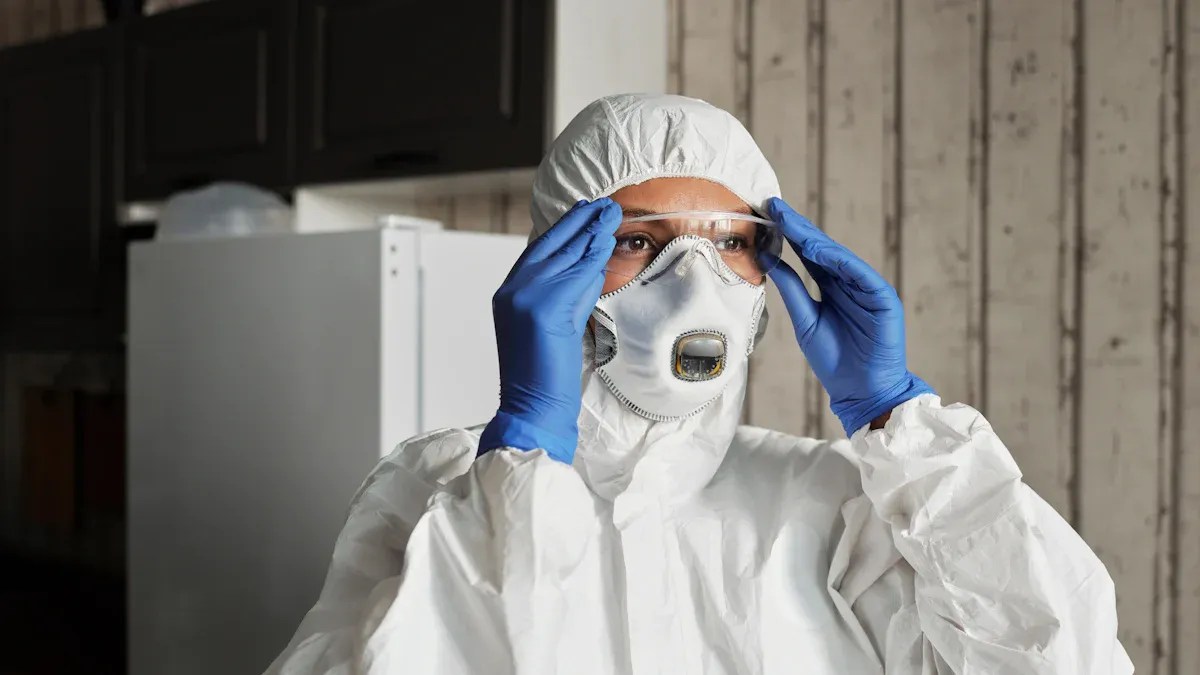
The 2.3 PSI trauma gown hydrostatic pressure threshold is critical for survival as it plays a vital role in keeping you and your patients safe. This standard helps prevent fluid penetration, which can lead to contamination during medical procedures. When healthcare facilities ignore this threshold, they risk exposing patients and staff to harmful pathogens. You must recognize that adhering to this standard significantly impacts overall healthcare outcomes, ensuring a safer environment for everyone involved.
Key Takeaways
The 2.3 PSI threshold prevents fluid penetration, protecting patients and healthcare workers from harmful contaminants.
Adhering to this standard significantly reduces infection risks, leading to better surgical outcomes and faster patient recovery.
Compliance with the 2.3 PSI standard is essential for legal safety and maintaining a high quality of care in healthcare facilities.
Using gowns that meet the 2.3 PSI threshold enhances confidence for healthcare workers, allowing them to focus on patient care without fear of exposure.
Regularly review and select trauma gowns that meet or exceed the 2.3 PSI requirement to ensure a safe medical environment.
What is the 2.3 PSI Threshold?
Hydrostatic Pressure Explained
Hydrostatic pressure refers to the pressure exerted by a fluid at equilibrium due to the force of gravity. In medical contexts, this pressure plays a vital role in how fluids move within the body. Here are some key points about hydrostatic pressure:
It influences the movement of water and electrolytes across capillary walls.
In vaccine development, hydrostatic pressure can help inactivate viruses while keeping their immunogenic properties intact.
This pressure is essential for maintaining fluid balance in tissues, as it drives the filtration of fluids in the intravascular space.
Understanding hydrostatic pressure is crucial for ensuring that trauma gowns meet safety standards. The 2.3 PSI threshold indicates the level of pressure a gown can withstand before fluids penetrate the fabric. This threshold is not just a number; it represents a critical line of defense against contamination during medical procedures.
Importance in Surgical Settings
In surgical environments, the stakes are high. You need to ensure that both patients and healthcare workers remain safe from potential infections. The 2.3 PSI threshold for trauma gowns is essential for several reasons:
Fluid Resistance: Trauma gowns must resist fluid penetration to protect against blood and other bodily fluids. The AATCC 127 Water Resistance test measures how well fabrics hold up under hydrostatic pressure. Higher pressure ratings indicate better resistance, which is vital in surgical settings.
Infection Control: By adhering to the 2.3 PSI threshold, you significantly reduce the risk of contamination. This standard helps maintain a sterile environment, which is crucial for successful surgical outcomes.
Regulatory Compliance: Many healthcare facilities must comply with strict regulations regarding protective equipment. Meeting the 2.3 PSI threshold ensures that you adhere to these standards, promoting a culture of safety within your facility.
By understanding the significance of the 2.3 PSI threshold, you can appreciate how it directly impacts patient care and safety in surgical settings.
Why is the 2.3 PSI Trauma Gown Hydrostatic Pressure Threshold Critical for Survival?
Protection for Healthcare Workers
The 2.3 PSI trauma gown threshold plays a vital role in protecting healthcare workers. In high-risk environments like trauma bays, the potential for exposure to bodily fluids is significant. The gowns must withstand pressures that can exceed 2.3 PSI. Standard gowns typically only resist up to 0.71 PSI, which is insufficient for many medical situations.
Here are some key points about how this threshold protects you:
Fluid Penetration Prevention: The 2.3 PSI threshold is crucial for preventing fluid penetration. Gowns designed for higher pressure provide essential protection against blood and viral penetration. This is especially important during procedures where arterial spray may occur.
Infection Risk Reduction: By wearing gowns that meet this standard, you significantly lower the risk of contamination. This protection is vital for your safety and the safety of your patients.
Enhanced Confidence: Knowing that your gown meets the 2.3 PSI threshold allows you to focus on your work without worrying about potential exposure to harmful pathogens.
Patient Safety Considerations
The safety of patients is equally important when discussing the 2.3 PSI trauma gown threshold. Adhering to this standard ensures that patients receive care in a sterile environment. Here’s how this threshold impacts patient safety:
Contamination Control: The 2.3 PSI threshold helps maintain a barrier against contaminants. This barrier is essential during surgical procedures, where even minor breaches can lead to severe infections.
Improved Surgical Outcomes: When healthcare workers wear gowns that meet this standard, the likelihood of successful surgical outcomes increases. Patients benefit from reduced infection rates and shorter recovery times.
Trust in Healthcare: Patients place their trust in healthcare providers. When you adhere to safety standards like the 2.3 PSI threshold, you reinforce that trust. Patients feel more secure knowing that you prioritize their safety.
Impact on Patient Care

Improved Outcomes in Trauma Situations
Adhering to the 2.3 PSI trauma gown threshold significantly improves outcomes in trauma situations. When you use gowns that meet this standard, you create a safer environment for both patients and healthcare workers. Here are some key benefits:
Reduced Infection Rates: Gowns that withstand 2.3 PSI help prevent fluid penetration. This barrier reduces the risk of healthcare-associated infections, which can complicate recovery.
Faster Recovery: Patients benefit from fewer infections, leading to shorter hospital stays. This efficiency allows healthcare providers to focus on more patients.
Enhanced Surgical Success: When you wear gowns that meet the 2.3 PSI threshold, you maintain a sterile field during procedures. This practice increases the likelihood of successful surgeries.
Evidence from Case Studies
Numerous case studies highlight the importance of the 2.3 PSI threshold in preventing infections. Surgical gowns play a crucial role in providing barrier protection. Here are some findings:
Barrier Performance: Selecting gowns based on anticipated exposure to blood and bodily fluids is essential. Choosing the right gown can significantly reduce infection risks.
Infection Control: Studies show that using gowns with higher hydrostatic pressure ratings correlates with lower rates of healthcare-associated infections. This evidence supports the need for compliance with the 2.3 PSI standard.
By understanding the impact of the 2.3 PSI trauma gown threshold, you can appreciate its role in enhancing patient care and safety during medical procedures.
Compliance and Standards
Regulatory Framework
Understanding the regulatory framework surrounding the 2.3 PSI trauma gown threshold is essential for healthcare facilities. Various organizations set standards to ensure safety and effectiveness in medical environments. The Association for the Advancement of Medical Instrumentation (AAMI) provides guidelines for protective apparel, including trauma gowns. Here are the hydrostatic pressure thresholds established by AAMI:
AAMI Level | |
|---|---|
Level 1 | |
Level 2 | Minimum 50 cm |
Level 3 | Minimum 100 cm |
These levels indicate the minimum resistance required for gowns based on the anticipated exposure to fluids. The AATCC 127 test standard measures how well fabrics resist water penetration under increasing pressure. This testing ensures that gowns meet the necessary safety requirements.
Importance of Adherence
Adhering to these standards is crucial for healthcare facilities. Compliance not only protects patients but also safeguards healthcare workers. Here are some reasons why you should prioritize adherence:
Safety Assurance: Following the 2.3 PSI threshold helps prevent fluid penetration. This protection reduces the risk of infections and contamination during medical procedures.
Legal Compliance: Many healthcare facilities must comply with local and national regulations. Non-compliance can lead to legal repercussions and damage to your facility’s reputation.
Quality of Care: When you use gowns that meet established standards, you enhance the quality of care. Patients benefit from reduced infection rates and improved surgical outcomes.
By understanding the regulatory framework and the importance of adherence, you can contribute to a safer healthcare environment. Compliance with the 2.3 PSI trauma gown threshold is not just a guideline; it is a commitment to excellence in patient care.
In summary, the 2.3 PSI trauma gown threshold is essential for safety in healthcare settings. This standard protects both you and your patients from harmful contaminants. By adhering to this threshold, you reduce infection risks and improve surgical outcomes. Remember, compliance with this standard is not just a guideline; it is a commitment to excellence in patient care. Prioritize safety by ensuring that your facility meets the 2.3 PSI requirement. Your dedication to these standards can make a significant difference in healthcare.
FAQ
What does the 2.3 PSI threshold mean for trauma gowns?
The 2.3 PSI threshold indicates the level of hydrostatic pressure a trauma gown can withstand before fluids penetrate. This standard ensures protection against contamination during medical procedures.
Why is compliance with the 2.3 PSI standard important?
Compliance with the 2.3 PSI standard is crucial for preventing fluid penetration. It protects both healthcare workers and patients from infections and contamination during surgical procedures.
How can I ensure my facility meets the 2.3 PSI requirement?
You can ensure compliance by selecting trauma gowns that meet or exceed the 2.3 PSI threshold. Regularly review your facility’s inventory and training to maintain safety standards.
What are the consequences of not adhering to the 2.3 PSI threshold?
Failing to adhere to the 2.3 PSI threshold can lead to increased infection rates, compromised patient safety, and potential legal repercussions for healthcare facilities.
Are there specific tests to measure gown performance?
Yes, the AATCC 127 test measures the hydrostatic pressure resistance of fabrics. This test helps determine if gowns meet the necessary safety standards for medical use.


